Yaoli Ancient Town
The mountain town where the clay and firewood for Jingdezhen porcelain came from, with kiln ruins in the forest.
Updated 4 September 2026
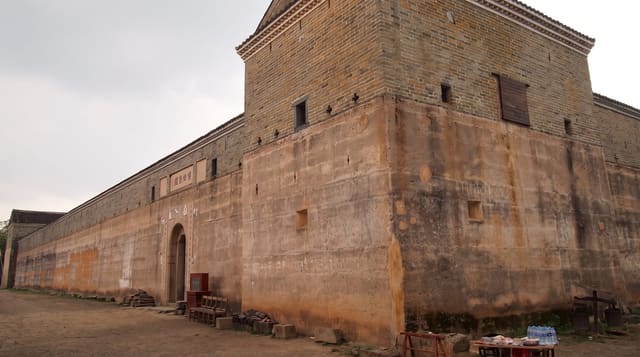
Jingdezhen made porcelain for the imperial court for centuries, and Yaoli in the hills upstream supplied it: kaolin clay, named after the nearby Gaoling hill from which the English word derives, along with pine for the kilns and the water transport to move both down to the city. The town keeps a street of Ming and Qing shopfronts along the Yaohe river, an ancestral hall and old bridges, and in the surrounding forest lie the Raonan kiln ruins and the Gaoling mining site, where terraced workings and washing channels for clay survive. Tea terraces cover the slopes, and the area is greener and cooler than the plain below.
The main sights
- The Gaoling mining site - the terraced clay workings that named kaolin.
- The kiln ruins - Ming and Qing firing sites in the forest.
- The riverside old street - Ming and Qing shopfronts along the Yaohe.
- The tea and forest - terraced slopes above the town.
When to go
March to May and September to November; the hills are cooler than Jingdezhen in summer but humid. Autumn is clearest. Weekends bring domestic visitors from Jingdezhen.
Good to know
The combined ticket covers several scattered sites needing internal transport. The mining and kiln remains are archaeological rather than dramatic. Interpretation is in Chinese.
Nearby
Jingdezhen and its porcelain workshops lie southwest; Wuyuan is northeast.
What to pack for Yaoli Ancient Town
Chosen from what this place is for. Tap a kit for the full checklist.
- Strong insect repellent - DEET or picaridin; the jungle is where bites and disease risk are highest. Find on Amazon
- Comfortable walking shoes - Sightseeing means kilometres of pavement and cobbles daily. Find on Amazon
- Long, light, quick-dry clothing - Covers skin from insects and sun without cooking you in the humidity. Find on Amazon
- A slim anti-theft daypack - Zips that close properly; keep it in front in crowds and on transit. Find on Amazon
Some links on this page are Amazon affiliate links - if you buy through them we may earn a small commission at no extra cost to you.
All packing kitsPlan your trip
Where to start if Yaoli Ancient Town is going on the list.
Booking links on this page are affiliate links - if you book through them we may earn a small commission at no extra cost to you. It never changes what we write about a place.
Opening times, ticket prices and seasonal closures change - check the official source before you go: official site.