Yancheng Coastal Wetlands
UNESCO-listed mudflats on the Yellow Sea where millions of migratory shorebirds stop, and red-crowned cranes winter.
Updated 14 October 2026
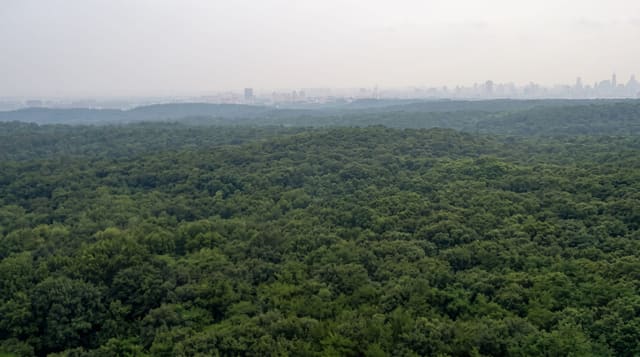
AI illustration
UNESCO World Heritage
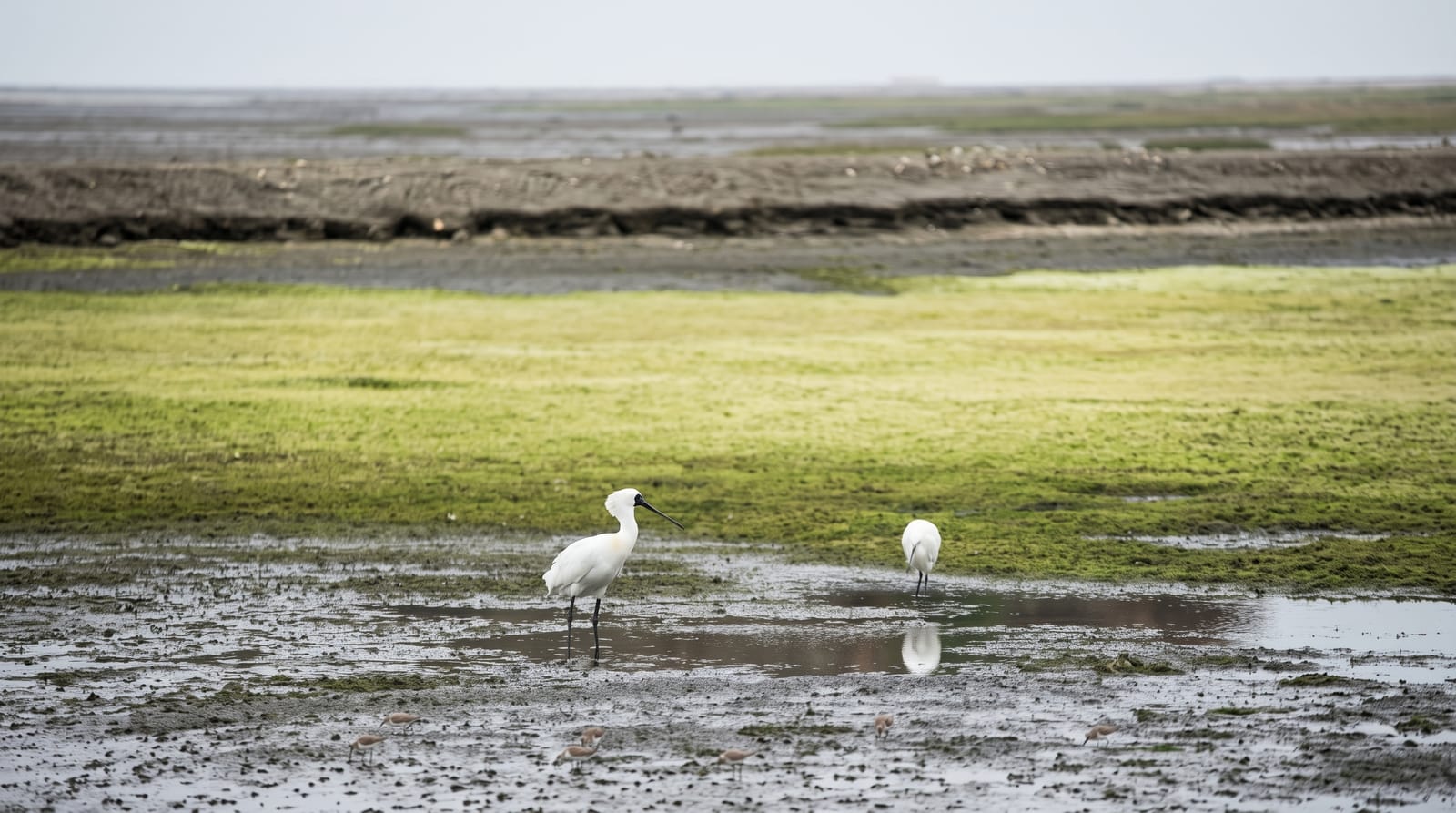
The Jiangsu coast holds the largest intertidal mudflat system on the Yellow Sea, inscribed by UNESCO in 2019 as migratory bird sanctuaries because of their importance on the East Asian-Australasian Flyway: millions of shorebirds refuel here between the Arctic and Australasia, including the critically endangered spoon-billed sandpiper, of which only a few hundred remain, and Nordmann's greenshank. The Yancheng reserve is also the main wintering ground of red-crowned cranes in China, a few hundred birds arriving from the northeast each winter, and a separate reserve at Dafeng protects reintroduced Père David's deer, a species that survived only in captivity after disappearing from the wild.
The landscape
- The shorebird flocks - waders in enormous numbers on the mudflats.
- The wintering cranes - China's main wintering flock of red-crowned cranes.
- The Père David's deer - the reintroduced herd at the Dafeng reserve.
- The tidal flats - the vast intertidal system that supports the flyway.
When to go
October to April, with cranes wintering from November to March and shorebird passage peaking in spring and autumn; summer is hot and the birds largely gone. Tides govern shorebird viewing entirely.
Before you go
Access to the core reserve is restricted and most viewing is from designated areas and hides. Serious birding needs a scope and a guide. Coastal reclamation has destroyed much of this habitat over past decades, and what remains is under pressure.
Nearby
Dafeng's deer reserve is close; Yancheng city lies inland.
Key facts
Source: Wikidata, item Q1738800, read on 18 October 2026.
What to pack for Yancheng Coastal Wetlands
Chosen from what this place is for. Tap a kit for the full checklist.
- Broken-in walking shoes or boots - Grip and ankle support matter more than looks; never hike in brand-new boots. Find on Amazon
- Warm base layers - Merino or synthetic against the skin - never cotton, which chills when damp. Find on Amazon
- Layers + a waterproof shell - Mountain weather turns fast; a packable rain jacket saves the day. Find on Amazon
- An insulated + windproof jacket - A down or synthetic layer under a hard shell handles most cold. Find on Amazon
Some links on this page are Amazon affiliate links - if you buy through them we may earn a small commission at no extra cost to you.
All packing kitsPlan your trip
Where to start if Yancheng Coastal Wetlands is going on the list.
Booking links on this page are affiliate links - if you book through them we may earn a small commission at no extra cost to you. It never changes what we write about a place.
Opening times, ticket prices and seasonal closures change - check the official source before you go: official site.