Qingyan Ancient Town
A Ming garrison town of black stone walls and lanes, holding temples, churches and a mosque together.
Updated 4 September 2026
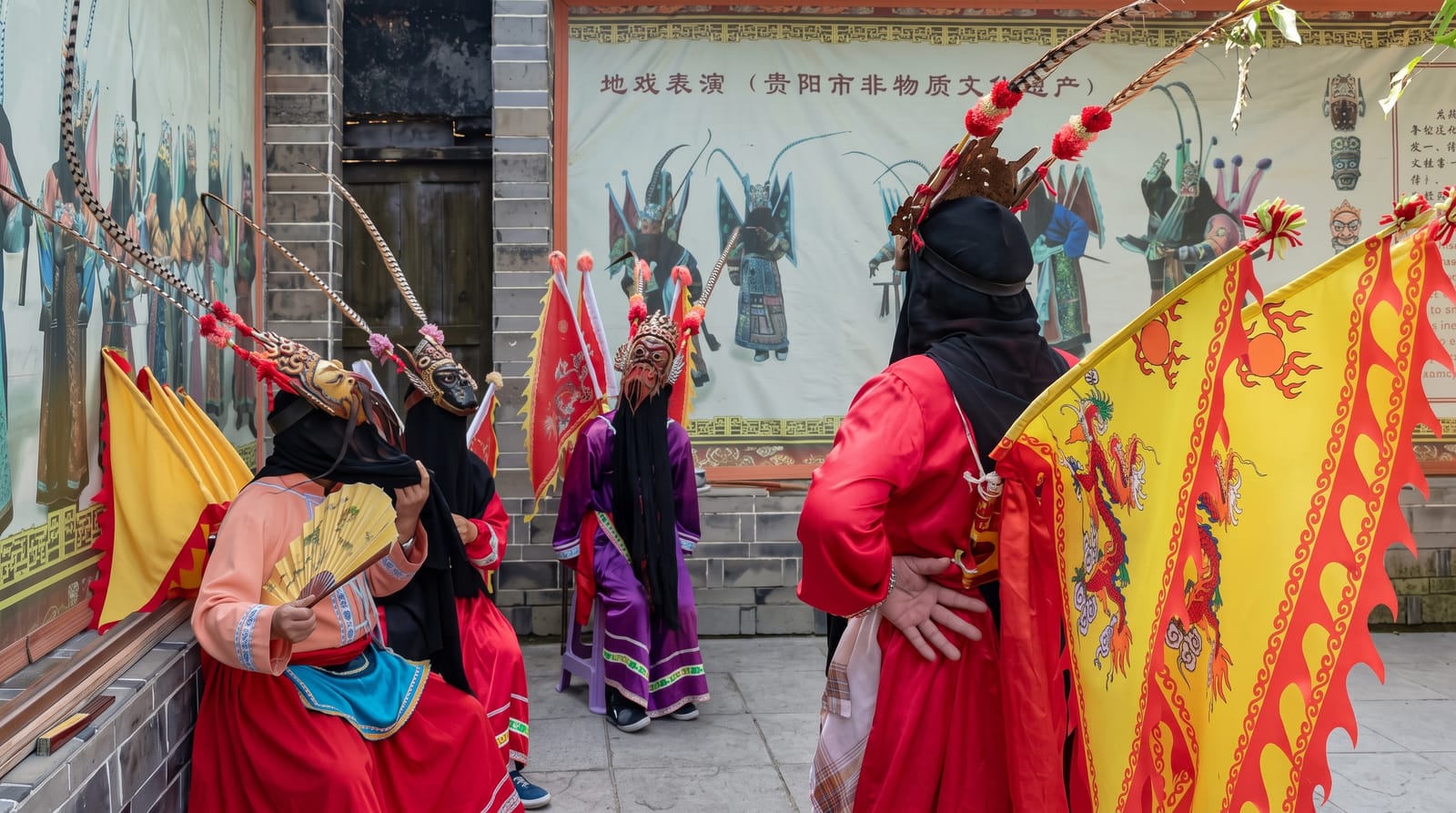
AI illustration
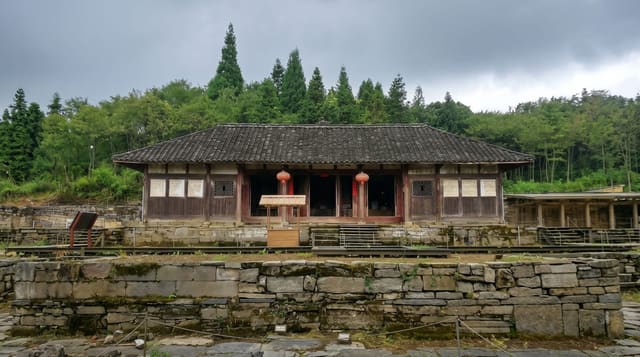
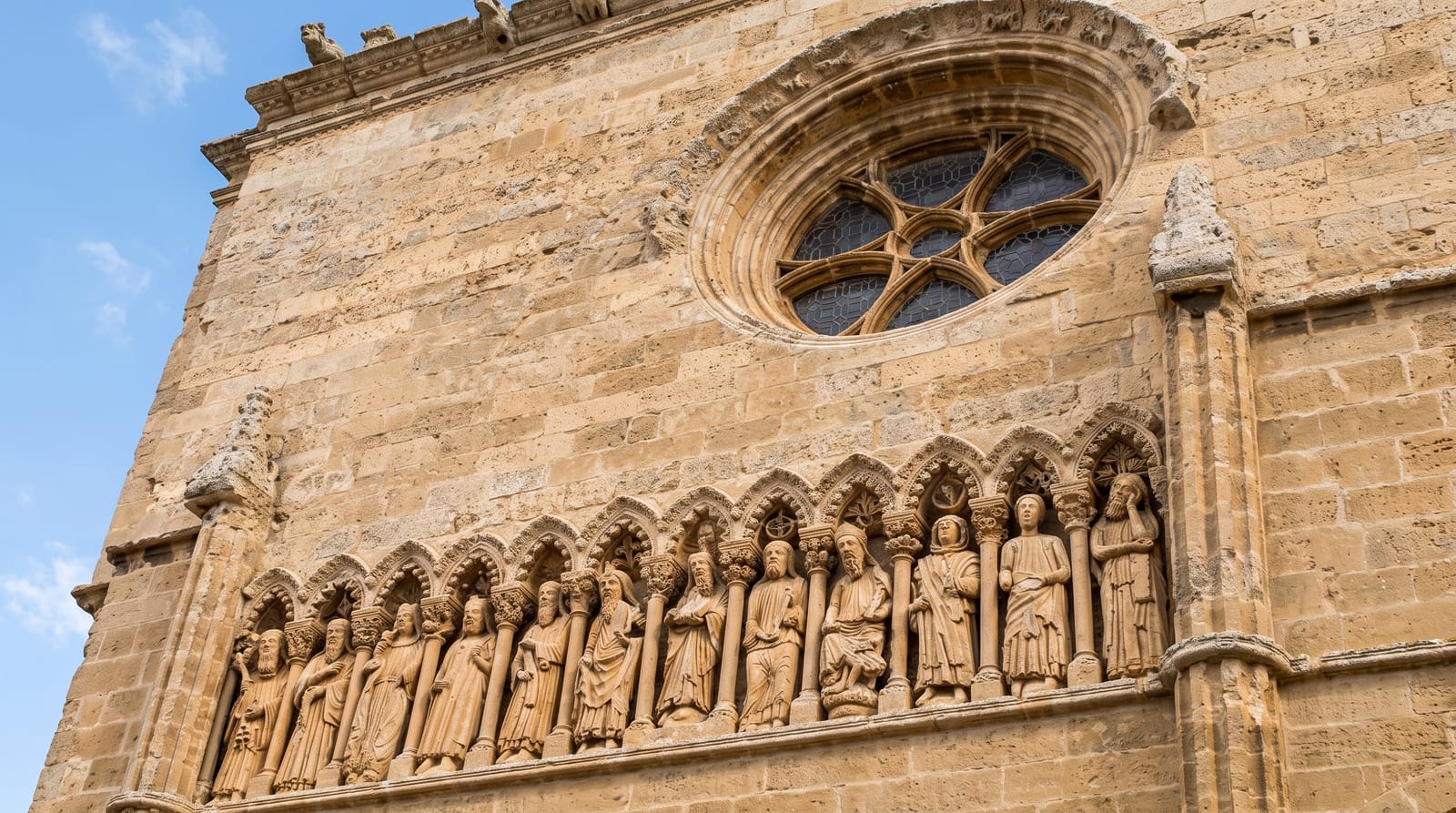
Qingyan was founded in 1378 as a military post on the road south from Guiyang, and it was rebuilt in stone, so the walls, gates, lanes and many house fronts are all in the local dark limestone, which gives the town a uniform grey character quite unlike the timber old towns elsewhere. Within a small area it holds Buddhist and Daoist temples, ancestral halls, a Catholic and a Protestant church and a mosque, a concentration reflecting its position on a trade route. Guizhou's first successful imperial examination candidate came from here and his house is shown. Local snacks, particularly rose sugar sweets and pig trotters, are sold along the main lanes.
Highlights
- The stone walls and gates - the Ming fortifications in dark limestone.
- The mixed religious buildings - temples, churches and a mosque together.
- The scholar's house - the residence of Guizhou's first zhuangyuan.
- The snack streets - rose sweets, trotters and local food along the lanes.
When to go
March to June and September to November for mild weather; Guizhou is often overcast and damp. Weekends fill the town with Guiyang visitors, weekdays are far quieter.
Practical notes
The town is heavily commercialised, with most street frontage given to snack and souvenir shops. Entry is charged for the walls and individual buildings. Reconstruction is extensive.
Nearby
Guiyang lies north; Anshun is west.
What to pack for Qingyan Ancient Town
Chosen from what this place is for. Tap a kit for the full checklist.
- Comfortable walking shoes - Sightseeing means kilometres of pavement and cobbles daily. Find on Amazon
- Modest clothing - Shoulders and knees covered - the single most common requirement. Find on Amazon
- A slim anti-theft daypack - Zips that close properly; keep it in front in crowds and on transit. Find on Amazon
- A scarf or shawl - To cover the head or shoulders on entry; women especially at mosques. Find on Amazon
Some links on this page are Amazon affiliate links - if you buy through them we may earn a small commission at no extra cost to you.
All packing kitsPlan your trip
Where to start if Qingyan Ancient Town is going on the list.
Booking links on this page are affiliate links - if you book through them we may earn a small commission at no extra cost to you. It never changes what we write about a place.
Opening times, ticket prices and seasonal closures change - check the official source before you go: official site.