Mount Qiyun
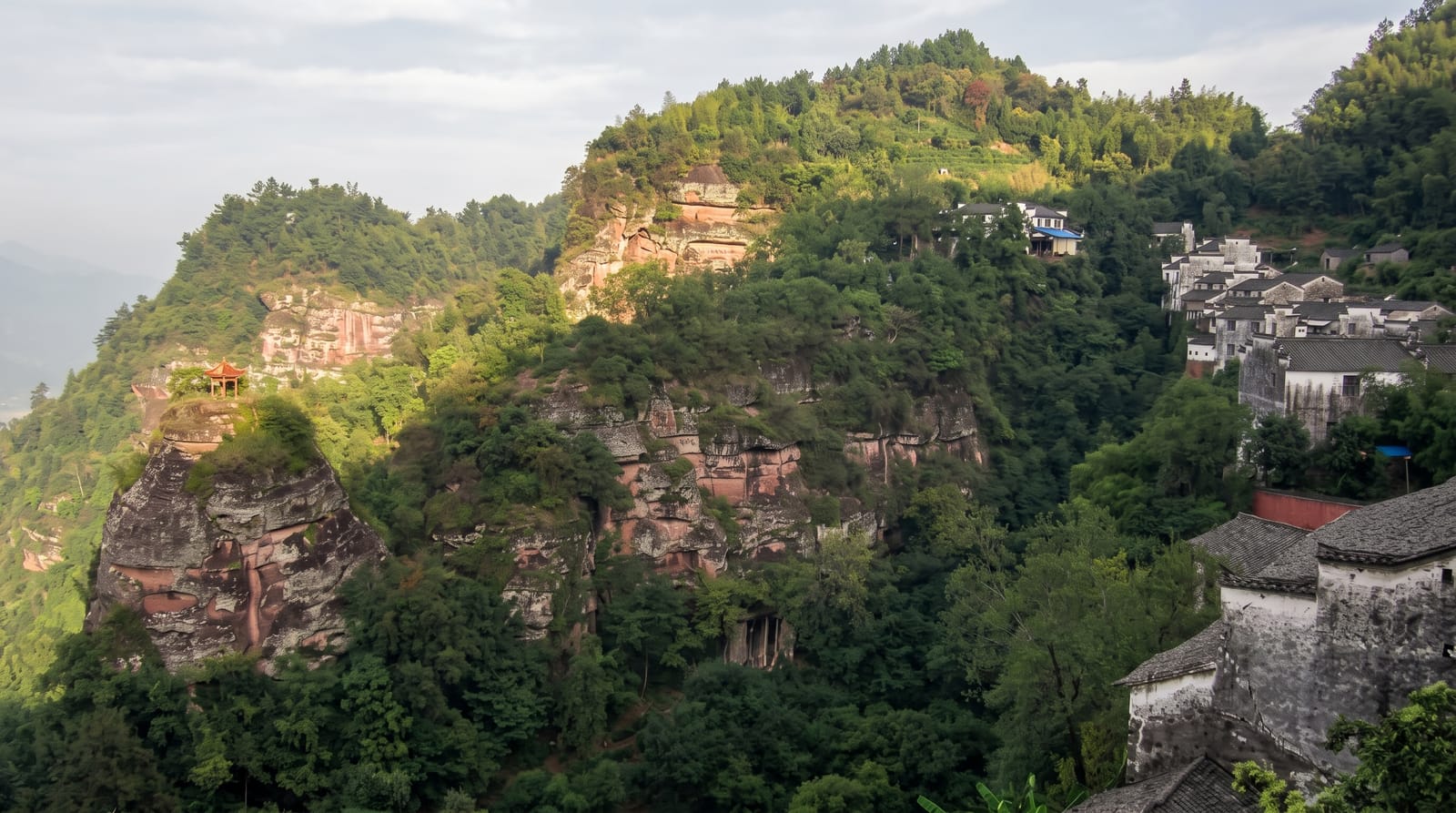
A Danxia sandstone mountain of red cliffs covered in carved inscriptions, with a small village living on the summit.
Updated 4 September 2026
AI illustration
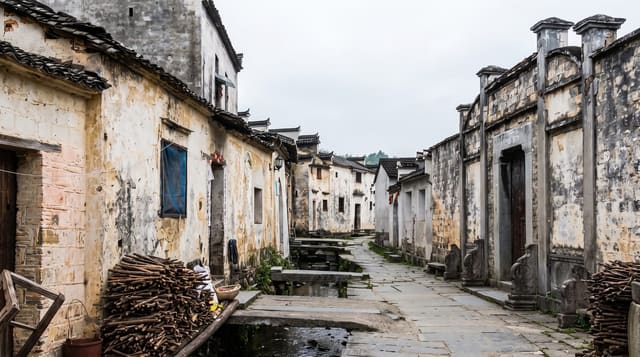
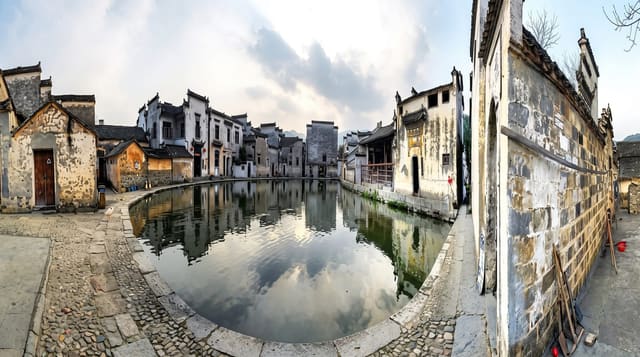
Qiyunshan is one of the four sacred Taoist mountains of China, a Danxia landscape of red sandstone cliffs and rounded summits where Taoist temples have stood since the Tang and where the Ming emperors patronised the mountain heavily. Its distinguishing feature is inscription: over five hundred stone carvings and steles cover the cliffs, cut by pilgrims, officials and emperors over a thousand years, including large characters carved directly into the rock faces. A village of a few hundred people lives on the mountain itself, farming and running guesthouses among the temples, which is unusual. A cable car climbs from the valley, and paths link the temples and viewpoints.
Highlights
- The cliff inscriptions - over five hundred carvings and steles on red rock.
- The Danxia cliffs - rounded red sandstone summits and walls.
- The summit village - families living and farming among the temples.
- The Taoist temples - active shrines across the mountain.
When to go
March to May and September to November; mist on the Danxia cliffs is common in spring. Summer is hot, winter cold and sometimes icy on the paths. The mountain is far quieter than Huangshan nearby.
Practical notes
The cable car plus entry is expensive relative to the size of the site. Paths involve steady climbing. English interpretation is absent, and the inscriptions mean little without Chinese. Facilities in the summit village are basic.
Nearby
Tunxi lies east; Huangshan is northeast.
Key facts
Source: Wikidata, item Q842124, read on 18 October 2026.
What to pack for Mount Qiyun
Chosen from what this place is for. Tap a kit for the full checklist.
- Comfortable walking shoes - Sightseeing means kilometres of pavement and cobbles daily. Find on Amazon
- Modest clothing - Shoulders and knees covered - the single most common requirement. Find on Amazon
- A slim anti-theft daypack - Zips that close properly; keep it in front in crowds and on transit. Find on Amazon
- A scarf or shawl - To cover the head or shoulders on entry; women especially at mosques. Find on Amazon
Some links on this page are Amazon affiliate links - if you buy through them we may earn a small commission at no extra cost to you.
All packing kitsPlan your trip
Where to start if Mount Qiyun is going on the list.
Booking links on this page are affiliate links - if you book through them we may earn a small commission at no extra cost to you. It never changes what we write about a place.
Opening times, ticket prices and seasonal closures change - check the official source before you go: official site.