Huizhou Ancient City
The administrative seat of old Huizhou, with a walled centre and a park of seven stone memorial archways nearby.
Updated 12 October 2026
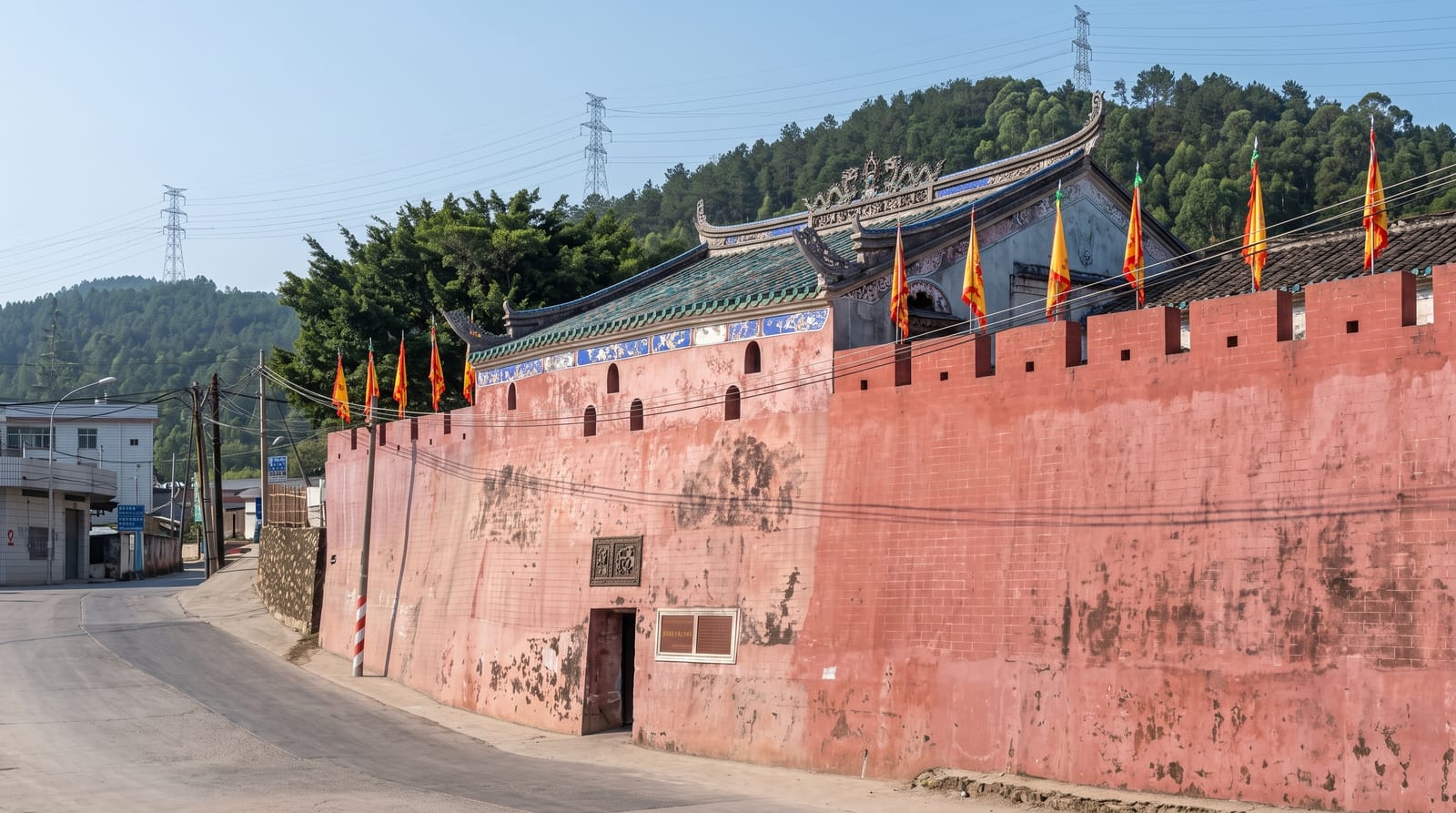
AI illustration
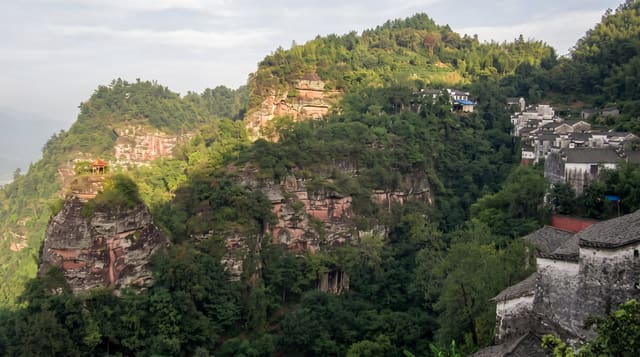
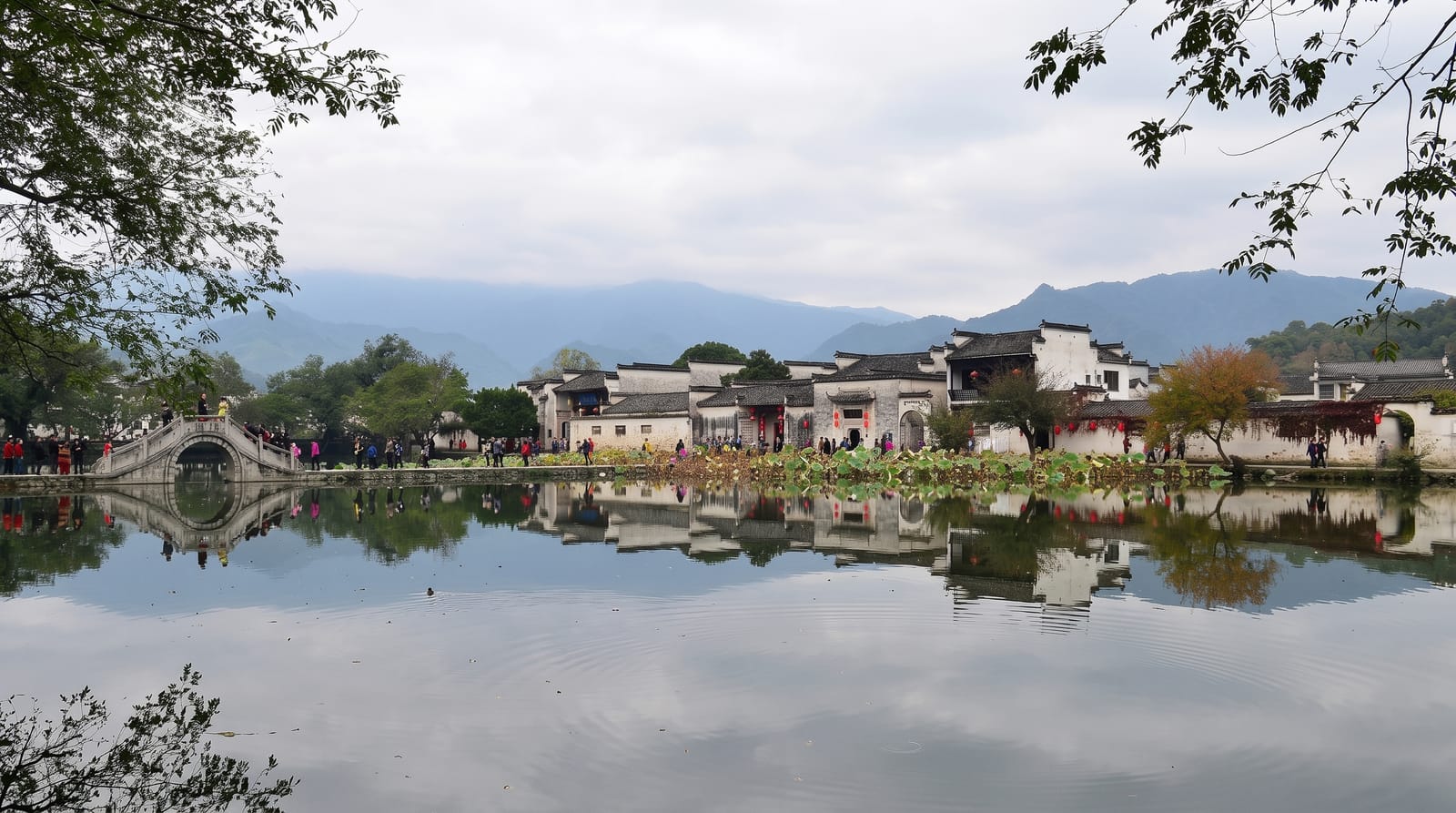
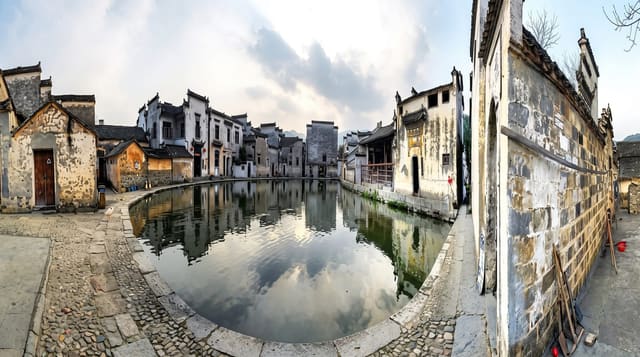
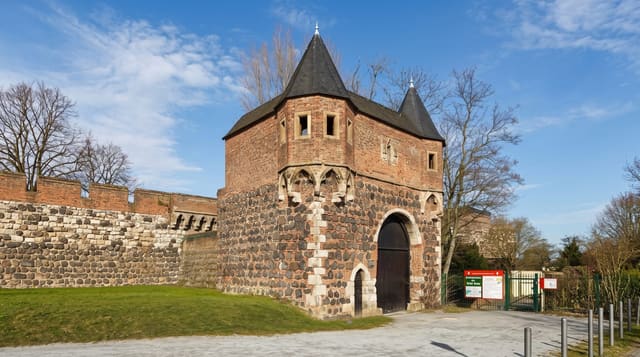
Shexian was the seat of Huizhou prefecture for centuries, the administrative and cultural centre of the region whose merchants dominated Chinese commerce in the Ming and Qing, and its walled town keeps the prefectural yamen, the Xu Guo archway of 1584, a rare four-sided stone paifang built for a grand secretary, and streets of Huizhou buildings. A few kilometres away at Tangyue stands a group of seven stone archways erected between the Ming and Qing by one clan to mark filial piety, chastity, charity and official rank, the largest surviving group of its kind. The Huizhou style of architecture, carving, ink-making and opera all trace to this district.
What's there
- The Xu Guo archway - the rare four-sided stone paifang of 1584.
- The Tangyue archway group - seven memorial arches raised by one clan.
- The prefectural yamen - the restored administrative seat of Huizhou.
- The old streets - Huizhou shopfronts and carved detail in the walled town.
When to go
March to May and September to November; the town is quieter than the famous villages. Weekends bring domestic visitors. Summer is hot and humid, winter damp and cold.
What to expect
The yamen and parts of the wall are reconstruction. The Tangyue archways are a separate ticketed site a few kilometres away. Interpretation assumes knowledge of Confucian values the archways commemorate.
Nearby
Tunxi lies west; Hongcun and Xidi are northwest.
What to pack for Huizhou Ancient City
Chosen from what this place is for. Tap a kit for the full checklist.
- Strong insect repellent - DEET or picaridin; the jungle is where bites and disease risk are highest. Find on Amazon
- Comfortable walking shoes - Sightseeing means kilometres of pavement and cobbles daily. Find on Amazon
- Long, light, quick-dry clothing - Covers skin from insects and sun without cooking you in the humidity. Find on Amazon
- A slim anti-theft daypack - Zips that close properly; keep it in front in crowds and on transit. Find on Amazon
Some links on this page are Amazon affiliate links - if you buy through them we may earn a small commission at no extra cost to you.
All packing kitsPlan your trip
Where to start if Huizhou Ancient City is going on the list.
Booking links on this page are affiliate links - if you book through them we may earn a small commission at no extra cost to you. It never changes what we write about a place.
Opening times, ticket prices and seasonal closures change - check the official source before you go: official site.