Datong Ancient City
A northern Shanxi city whose Ming walls were rebuilt wholesale in the 2010s around temples that are genuinely old.
Updated 4 September 2026
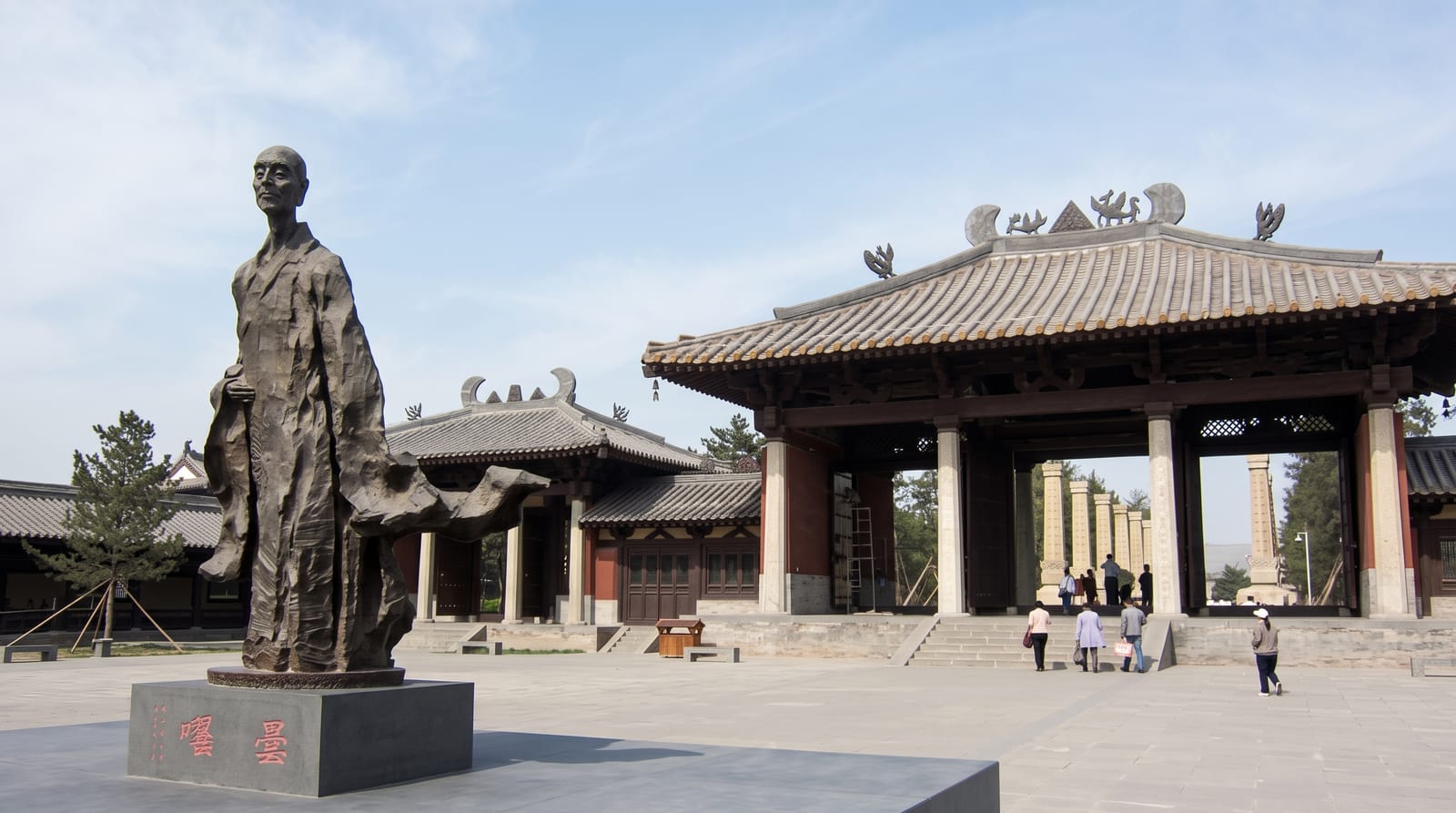
AI illustration
Datong was the capital of the Northern Wei in the fifth century and a frontier garrison under the Ming, and from 2008 the city government undertook one of the most drastic heritage projects in China: rebuilding the entire Ming wall circuit, some seven kilometres of it, along with gate towers and large areas of the old city, displacing tens of thousands of residents and drawing sustained criticism from conservationists. What survives genuinely is significant: the Huayan Temple, with a Liao dynasty hall of 1038 and Jin-era painted figures; the Shanhua Temple, also Liao and Jin; and the Nine Dragon Screen of 1392, the oldest and largest glazed screen of its kind in China.
The main sights
- The Nine Dragon Screen - the 1392 glazed wall, the oldest of its type.
- Huayan Temple - Liao and Jin halls with original painted sculpture.
- The rebuilt walls - seven kilometres of reconstructed Ming circuit and gates.
- Shanhua Temple - another surviving Liao and Jin complex in the old city.
When to go
May to October; Datong sits at over a thousand metres and winters are severely cold. The city is the base for Yungang and the Hanging Temple, both day trips. High-speed rail from Beijing makes a two-day visit straightforward.
Before you go
The city walls and much of the old town are recent reconstructions, not surviving fabric, and the demolition that preceded them was widely criticised. The genuinely old temples are small islands within it. Air quality is often poor.
Nearby
The Yungang Grottoes lie west; the Hanging Temple and Yingxian pagoda are south.
What to pack for Datong Ancient City
Chosen from what this place is for. Tap a kit for the full checklist.
- Head torch + spare batteries - Hands-free light is essential; caves are truly dark. Find on Amazon
- Comfortable walking shoes - Sightseeing means kilometres of pavement and cobbles daily. Find on Amazon
- Modest clothing - Shoulders and knees covered - the single most common requirement. Find on Amazon
- Grippy closed shoes - Cave floors are wet, muddy and slick with formations. Find on Amazon
Some links on this page are Amazon affiliate links - if you buy through them we may earn a small commission at no extra cost to you.
All packing kitsPlan your trip
Where to start if Datong Ancient City is going on the list.
Booking links on this page are affiliate links - if you book through them we may earn a small commission at no extra cost to you. It never changes what we write about a place.
Opening times, ticket prices and seasonal closures change - check the official source before you go: official site.