Beijing Confucius Temple and Guozijian
A Yuan-dynasty temple and the imperial academy beside it, with stone tablets naming every successful exam candidate for centuries.
Updated 4 September 2026
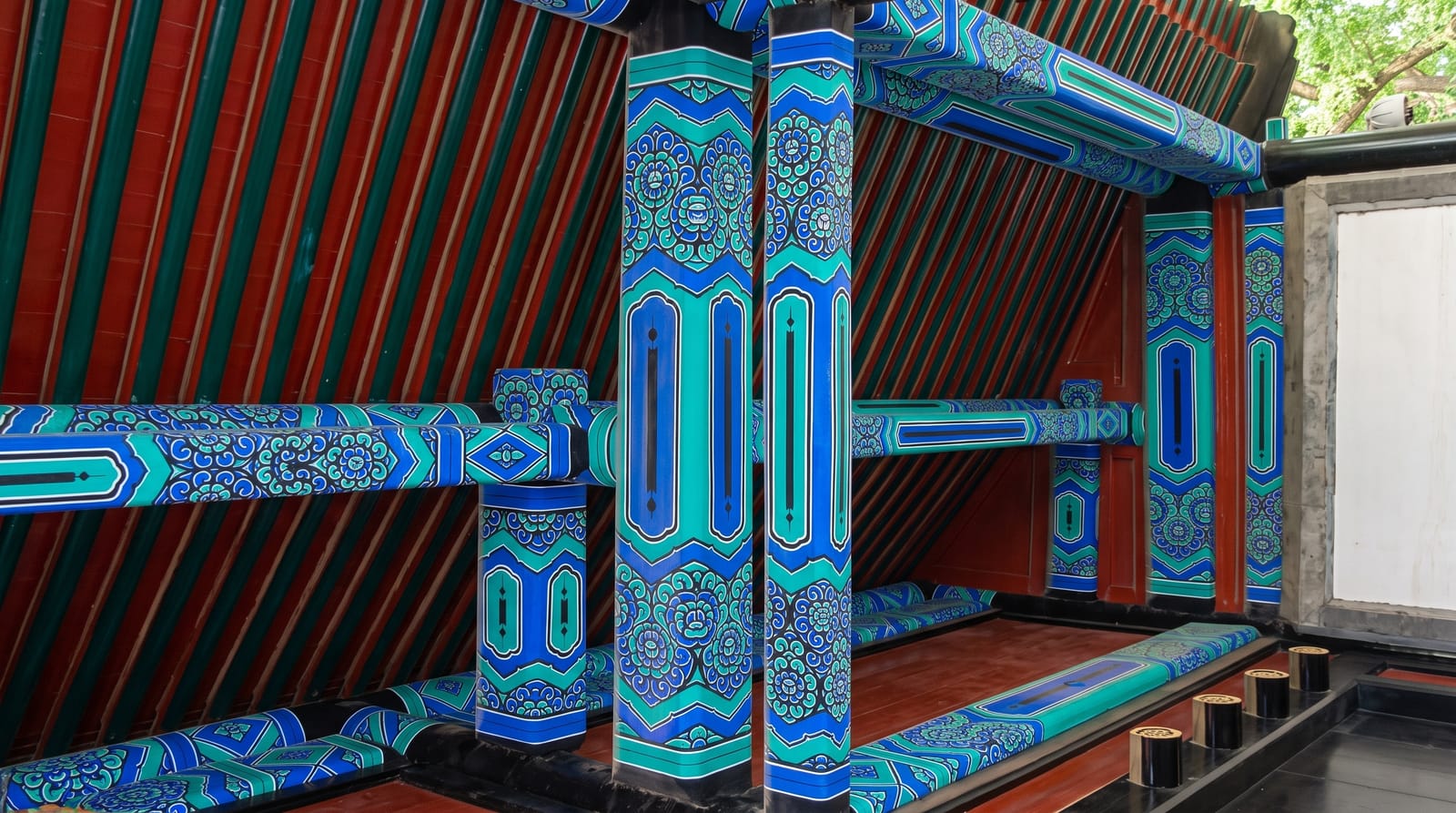
AI illustration
The Confucius Temple was built in 1302 and is the second largest in China after the one at Qufu, a quiet complex of halls and courtyards shaded by cypresses said to be seven hundred years old. In the courtyards stand 198 stone stelae carved with the names of more than fifty thousand men who passed the highest imperial examinations between the thirteenth and twentieth centuries, an extraordinary record of the system that selected China's officials. Next door, the Guozijian was the imperial academy, the highest educational institution in the empire, with a hall where emperors lectured. The street outside keeps its paifang arches and is one of the calmest in central Beijing.
What to look for
- The name stelae - 198 stones listing successful exam candidates over six centuries.
- The ancient cypresses - trees in the courtyards said to be seven hundred years old.
- The Guozijian - the imperial academy hall where emperors lectured.
- Guozijian Street - the quiet lane with surviving ceremonial arches.
When to go
April to May and September to October for the mildest weather; the site is quiet compared with its neighbour the Lama Temple. Mornings are calmest. The complex closes on some Mondays.
Practical notes
The temple is calm and low-key rather than spectacular, which is either the appeal or a disappointment. English interpretation is limited. Combining with the Lama Temple next door is standard, and the contrast in crowds is stark.
Nearby
The Lama Temple is a short walk east; the hutongs run south.
What to pack for Beijing Confucius Temple and Guozijian
Chosen from what this place is for. Tap a kit for the full checklist.
- Comfortable walking shoes - Sightseeing means kilometres of pavement and cobbles daily. Find on Amazon
- Modest clothing - Shoulders and knees covered - the single most common requirement. Find on Amazon
- A slim anti-theft daypack - Zips that close properly; keep it in front in crowds and on transit. Find on Amazon
- A scarf or shawl - To cover the head or shoulders on entry; women especially at mosques. Find on Amazon
Some links on this page are Amazon affiliate links - if you buy through them we may earn a small commission at no extra cost to you.
All packing kitsPlan your trip
Where to start if Beijing Confucius Temple and Guozijian is going on the list.
Booking links on this page are affiliate links - if you book through them we may earn a small commission at no extra cost to you. It never changes what we write about a place.
Opening times, ticket prices and seasonal closures change - check the official source before you go: official site.


