Lolol
A colonial adobe village rebuilt after the 2010 earthquake flattened much of what made it a monument.
Updated 19 October 2026
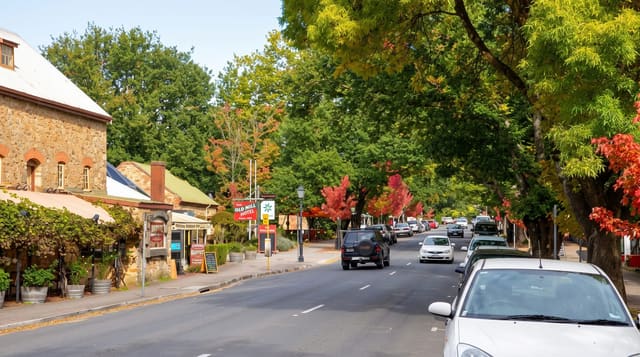
Lolol was declared a national monument in 2003 for its colonial and nineteenth century core: continuous adobe frontages with long tiled eaves supported on posts, forming covered walkways along the streets, a building pattern that was once common in central Chile and survives in few places. The earthquake of February 2010 destroyed or badly damaged a large part of it, and what has happened since is a long reconstruction using traditional adobe technique with seismic reinforcement, funded partly by heritage programmes. The result is a village that is partly original, partly rebuilt, and honest about which is which. The Colchagua wine country is around it.
History
In the 17th century the Colchagua valley was divided into large haciendas granted by the Spanish crown, and after independence in 1818 several mansions were built around Lolol, some of them still standing. From the late 19th century to the mid 20th the Hacienda Lolol and the Hacienda Santa Teresa de Quiahue drove the local economy, and in 2003 the centre of Lolol was declared a national monument, a Typical and Picturesque Zone, for its colonial buildings and traditions; the name is Mapudungun for "land of crabs and holes" (Wikipedia, Lolol).
Highlights
- Continuous adobe frontages - with tiled eaves over covered walkways.
- A national monument since 2003 - for that building pattern.
- Heavy damage in 2010 - much of the core destroyed.
- A long reconstruction - traditional adobe with modern reinforcement.
When to go
Year round. Half a day.
Things to know
Reconstruction is visible and ongoing, and some buildings are still braced or empty. The village is small and quiet with limited services. It is a detour from the Colchagua wine route.
Nearby
Santa Cruz and the Colchagua wineries are north-east; Pichilemu is west.
Key facts
Source: Wikidata, item Q16899, read on 18 October 2026.
What to pack for Lolol
Chosen from what this place is for. Tap a kit for the full checklist.
- Comfortable walking shoes - Sightseeing means kilometres of pavement and cobbles daily. Find on Amazon
- A slim anti-theft daypack - Zips that close properly; keep it in front in crowds and on transit. Find on Amazon
- A refillable water bottle - Many cities have public fountains; save money and plastic. Find on Amazon
- A light layer + compact umbrella - For museum air-con and a sudden shower. Find on Amazon
Some links on this page are Amazon affiliate links - if you buy through them we may earn a small commission at no extra cost to you.
All packing kitsPlan your trip
Where to start if Lolol is going on the list.
Booking links on this page are affiliate links - if you book through them we may earn a small commission at no extra cost to you. It never changes what we write about a place.
Opening times, ticket prices and seasonal closures change - check the official source before you go: official site.