Huasco
A green river valley reaching the desert coast, growing olives and pisco grapes beside an iron port.
Updated 16 October 2026
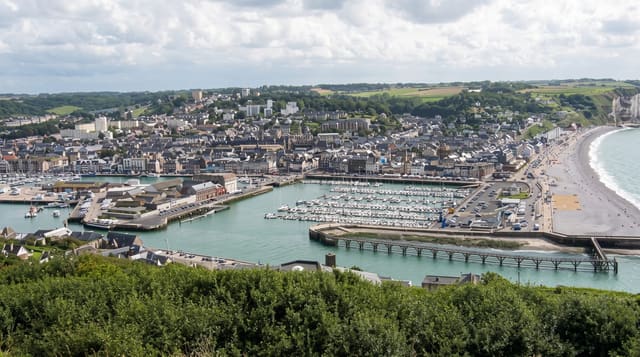
The Huasco river cuts a green line across the Atacama to the sea, and the valley behind the port grows olives and table grapes and produces pisco - it is the northernmost of the valleys where that is possible, and the olive oil from here has a protected designation. The port at the mouth ships iron ore and there are thermal power plants on the coast beside it, which has made air quality and coastal contamination a long-running local issue and a subject of litigation. The beaches north of the town and the Llanos de Challe flowering desert are the other reason to come this way.
Background
Huasco lies 50 km west of Vallenar, near Huasco Bajo on the south bank of the Huasco River, a few kilometres from its mouth. The port and settlement are centuries old, but the town was officially established in 1850. Copper ore and copper regulus, along with hides and alpaca wool, left here for Swansea round Cape Horn between 1851 and 1873. A large new pier opened in 1886, followed in 1892 by a railroad inland to Vallenar. Two ports work here today, the general port Las Losas and the mining ports Guacolda I and II, and as of 2024 they handled 7.5% of the yearly tonnage in Chile's foreign trade. The town takes its name from the river.
Source: Wikipedia, "Huasco"
What to look for
- A green valley across the desert - olives, grapes and pisco.
- Protected designation olive oil - the valley's best known product.
- An iron ore port and power plants - beside the town.
- A live contamination dispute - over air and coastal pollution.
When to go
Year round; September and October if the desert is flowering. Half a day.
Good to know
The industrial presence is unavoidable and is the town's central problem. Beaches near the port are affected. Services are modest. The valley behind is the pleasanter part of a visit.
Nearby
Llanos de Challe is north up the coast; Vallenar is inland.
Key facts
Source: Wikidata, item Q14422, read on 18 October 2026.
What to pack for Huasco
Chosen from what this place is for. Tap a kit for the full checklist.
- Reef-safe sunscreen - High SPF that will not bleach the coral you are swimming over. Find on Amazon
- Loose, light, long clothing - Covering up beats bare skin in the desert - and locals dress this way for a reason. Find on Amazon
- Comfortable walking shoes - Sightseeing means kilometres of pavement and cobbles daily. Find on Amazon
- Quick-dry towel - A microfibre towel packs small and dries in minutes. Find on Amazon
Some links on this page are Amazon affiliate links - if you buy through them we may earn a small commission at no extra cost to you.
All packing kitsPlan your trip
Where to start if Huasco is going on the list.
Booking links on this page are affiliate links - if you book through them we may earn a small commission at no extra cost to you. It never changes what we write about a place.
Opening times, ticket prices and seasonal closures change - check the official source before you go: official site.