Caldera
The port at the end of South America's first railway, with a fossil whale graveyard on its doorstep.
Updated 19 October 2026
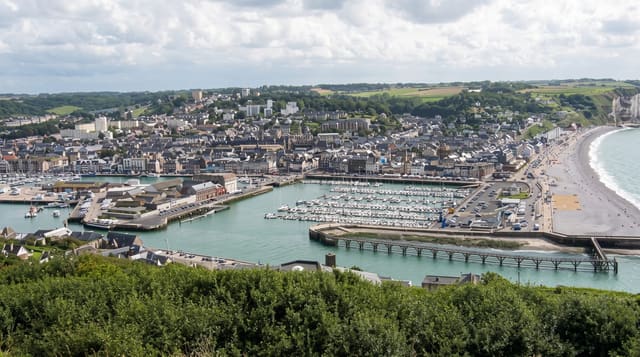
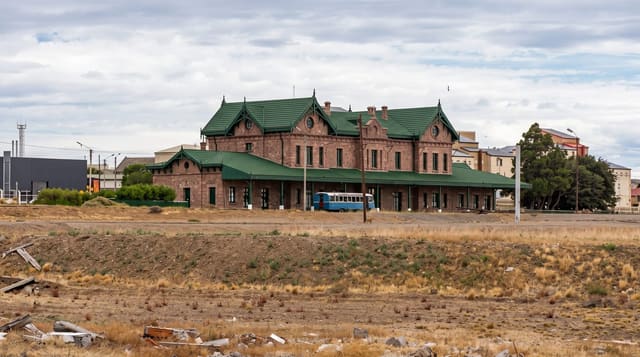
The railway from Caldera to Copiapo opened in 1851 to carry silver and copper down to the sea, and it was the first railway built in Chile and among the first in South America; the wooden station of 1850 still stands and is now a cultural centre. The bay was the shipping point for the mineral wealth of the Atacama for decades. The other reason Caldera is on the map is palaeontological: the marine sediments of this coast at Cerro Ballena and along the Bahia Inglesa formation have produced very large numbers of fossil whales, dolphins and sharks, including a mass stranding assemblage, and a museum in the town holds the material.
History
On 31 August 1420 a mega-earthquake shook this coast, the first major earthquake recorded in Chile's history, and in 1687 the Englishman Edward Davis reached Bahía Inglesa, 6 km south of today's town. The town was founded on 23 September 1850, and after William Wheelwright of the Pacific Steam Navigation Company proposed it, the railway from Caldera to Copiapó, the first in Chile, opened on Christmas Day 1851, making Caldera a port for the region's minerals; a copper smelter worked here from 1853 to about 1857, and new smelters from the 1880s into the 1920s, whose ruins remain (Wikipedia, Caldera, Chile).
What's there
- The end of a railway from 1851 - the first in Chile.
- The wooden station of 1850 - still standing, now a cultural centre.
- Fossil whales and sharks - from the marine beds along this coast.
- A palaeontology museum - holding the local material.
When to go
Year round. Half a day.
Good to know
The fossil sites themselves are not open - the material is in the museum. The town is a working port with modest tourist infrastructure. Sea fog is common. Bahia Inglesa next door takes most of the visitors.
Nearby
Bahia Inglesa is minutes south; Pan de Azucar is up the coast north.
Key facts
Source: Wikidata, item Q3708, read on 18 October 2026.
What to pack for Caldera
Chosen from what this place is for. Tap a kit for the full checklist.
- Binoculars - The single best wildlife tool - even a compact pair transforms a sighting. Find on Amazon
- Comfortable walking shoes - Sightseeing means kilometres of pavement and cobbles daily. Find on Amazon
- A zoom camera or long lens - Animals rarely come close; reach beats megapixels. Find on Amazon
- A slim anti-theft daypack - Zips that close properly; keep it in front in crowds and on transit. Find on Amazon
Some links on this page are Amazon affiliate links - if you buy through them we may earn a small commission at no extra cost to you.
All packing kitsPlan your trip
Where to start if Caldera is going on the list.
Booking links on this page are affiliate links - if you book through them we may earn a small commission at no extra cost to you. It never changes what we write about a place.
Opening times, ticket prices and seasonal closures change - check the official source before you go: official site.