Garibaldi Provincial Park
A lake held turquoise by rock flour, dammed by a lava flow that once met a glacier and froze in place.
Updated 19 October 2026
AI illustration
Garibaldi Lake sits at nearly fifteen hundred metres, coloured a strong turquoise by glacial rock flour suspended in the water, and it exists because of the Barrier: a wall of lava that flowed against a glacier during the last ice age, chilled and solidified into a cliff, then held the meltwater back when the ice retreated. The Barrier is unstable and has collapsed before, which is why the valley below is a restricted zone. The standard route climbs about nine kilometres of switchbacks from Rubble Creek to the lake, and Panorama Ridge and Black Tusk continue beyond as long day or overnight trips.
History
Mount Garibaldi is an important landmark for the Squamish, who hunted, foraged and gathered obsidian around it and tell of tying their canoes to its peak during the Great Flood, and they know the Black Tusk as the Landing Place of the Thunderbird. Captain George Henry Richards named the mountain after Giuseppe Garibaldi during a survey of Howe Sound in 1860; Vancouver mountaineers made its first ascent in 1907, summer climbing camps at Garibaldi Lake followed, a party led by William J. Gray named and first climbed the Black Tusk in 1912, and the interest the camps raised led to a park reserve in 1920 and a Class A provincial park in 1927 (Wikipedia, Garibaldi Provincial Park).
The landscape
- The turquoise lake - colour from glacial rock flour at nearly 1,500 metres.
- The Barrier - a lava cliff that dams the lake and is known to collapse.
- Panorama Ridge - a long climb to a viewpoint over the whole basin.
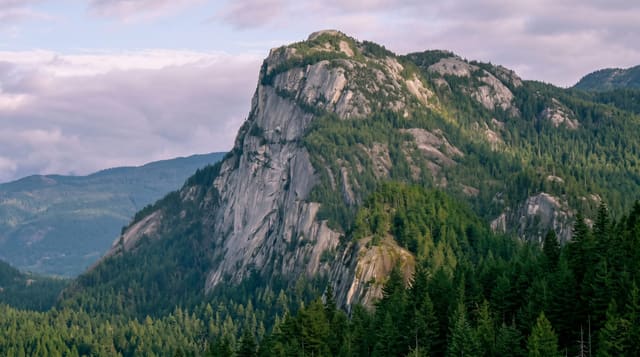
- The Black Tusk - an eroded volcanic spire above the meadows.
When to go
July to September, once snow clears the upper trails; meadows flower late July and August. Snow lingers into July and returns in October. Day passes are required in peak season.
Things to know
Day-use passes must be booked online in season and run out. The climb to the lake is nine kilometres of switchbacks with little view until the top. Camping requires reservation.
Nearby
Brandywine Falls lies north; Squamish is south.
Key facts
Source: Wikidata, item Q1143621, read on 18 October 2026.
What to pack for Garibaldi Provincial Park
Chosen from what this place is for. Tap a kit for the full checklist.
- Broken-in walking shoes or boots - Grip and ankle support matter more than looks; never hike in brand-new boots. Find on Amazon
- Quick-dry clothing - Board shorts or synthetics that shrug off spray and dry fast. Find on Amazon
- Warm base layers - Merino or synthetic against the skin - never cotton, which chills when damp. Find on Amazon
- Shelter suited to the place - Tent, tarp or hut booking - match it to the terrain and rules. Find on Amazon
Some links on this page are Amazon affiliate links - if you buy through them we may earn a small commission at no extra cost to you.
All packing kitsPlan your trip
Where to start if Garibaldi Provincial Park is going on the list.
Booking links on this page are affiliate links - if you book through them we may earn a small commission at no extra cost to you. It never changes what we write about a place.
Opening times, ticket prices and seasonal closures change - check the official source before you go: official site.