Crawford Lake
A lake whose undisturbed sediment layers revealed a vanished Iroquoian village, since rebuilt beside it.
Updated 19 October 2026

AI illustration
Crawford Lake is meromictic: it is deep relative to its small surface, so the bottom water never mixes with the top and the sediment settles in undisturbed annual layers, like tree rings. Pollen in those layers showed corn cultivation around the fifteenth century, which led archaeologists to find a Wendat village on the ridge above; longhouses have since been reconstructed on the excavated footprints, interpreted with Indigenous staff. The same undisturbed record made the lake a candidate for the global marker of the Anthropocene epoch, and in 2023 it was selected by a scientific working group as the proposed reference site.
History
Pollen in the lake's yearly layers of sediment records the farming of the Iroquoian peoples, with corn and squash, and a Wendat (Huron) village from before European contact, which has been reconstructed in the conservation area from years of archaeology, historical records and First Nations oral tradition; sawdust and ragweed pollen in later layers mark the settlers who built nearby. The Crawford family, who give the lake its name, ran a sawmill and lumber yard in nearby Campbellville from 1882 to 1963, and Lloyd Crawford sold the lake to Halton Conservation in 1969 (Wikipedia, Crawford Lake).
What's there
- The reconstructed longhouses - Wendat houses rebuilt on excavated footprints.
- The meromictic lake - deep still water with an undisturbed sediment record.
- The boardwalk - a loop around the lake on a raised walkway.
- The Anthropocene marker - the site proposed as the global reference for the epoch.
When to go
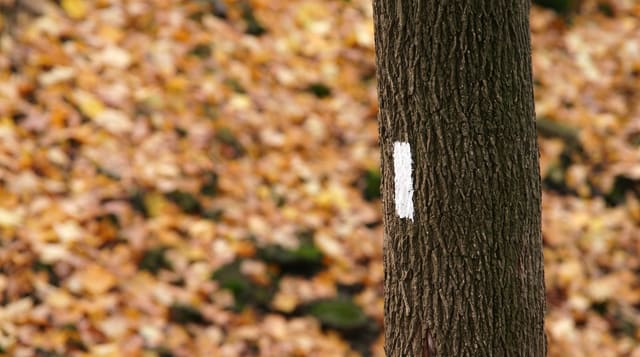
April to October for the full site and longhouse programming; the boardwalk is open year-round and the escarpment trails are used in winter. Autumn colour is strong.
Good to know
The Anthropocene designation was proposed by a working group and later rejected at a higher level, so the status is contested. Longhouse staffing varies by day. The lake itself is small.
Nearby
The Bruce Trail passes through; Toronto lies east.
Key facts
Source: Wikidata, item Q5182884, read on 18 October 2026.
What to pack for Crawford Lake
Chosen from what this place is for. Tap a kit for the full checklist.
- Broken-in walking shoes or boots - Grip and ankle support matter more than looks; never hike in brand-new boots. Find on Amazon
- Comfortable walking shoes - Sightseeing means kilometres of pavement and cobbles daily. Find on Amazon
- Layers + a waterproof shell - Mountain weather turns fast; a packable rain jacket saves the day. Find on Amazon
- A slim anti-theft daypack - Zips that close properly; keep it in front in crowds and on transit. Find on Amazon
Some links on this page are Amazon affiliate links - if you buy through them we may earn a small commission at no extra cost to you.
All packing kitsPlan your trip
Where to start if Crawford Lake is going on the list.
Booking links on this page are affiliate links - if you book through them we may earn a small commission at no extra cost to you. It never changes what we write about a place.
Opening times, ticket prices and seasonal closures change - check the official source before you go: official site.