Arbanasi
A village of fortified stone houses above Veliko Tarnovo, with churches painted inside from wall to wall.
Updated 19 October 2026
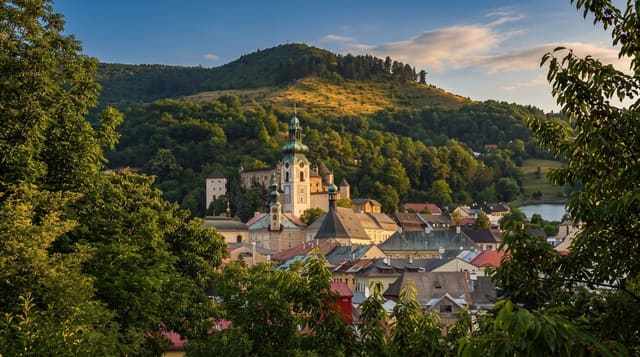
Arbanasi stands on the plateau above Veliko Tarnovo and was a wealthy merchant village in the seventeenth and eighteenth centuries, trading across the Ottoman empire, and its houses reflect that in a specific way: they are built like small fortresses, with high stone walls, few external windows, heavy gates and iron-barred openings, because the wealth inside needed defending. Several are open as museums with their upper living floors, carved ceilings and painted rooms. The churches are the other half of it, and they are deliberately unassuming outside: the Nativity church is a low building that looks like a barn and is painted inside across every surface with several thousand figures in a scheme of the seventeenth century.
History
The earliest document is a decree of 1538 in which Suleiman the Magnificent gave Arbanasi and three neighbouring villages, together called the Albanian villages, to his son-in-law, the grand vizier Rustem Pasha; from 63 households in 1541-1544 it grew to 271 by 1579-1580, and in 1640 the Catholic bishop Petar Bogdan Bakshev counted about 1,000 houses in the village above Tarnovo. Between the second half of the 17th century and the end of the 18th, Arbanasi reached its height, its merchant families trading in Transylvania, the Danubian Principalities, Russia and Poland, with copper and gold work, vineyards and silk, and its rich houses and five churches date from those years (Wikipedia, Arbanasi - Veliko Tarnovo).
What to look for
- Fortified merchant houses - high walls, heavy gates and barred windows.
- The Nativity church - plain outside, painted across every interior surface.
- Carved ceilings in the house museums - the upper living floors.
- The plateau position - Veliko Tarnovo in the valley below.
When to go
April to October. Half a day. Churches and houses have separate tickets and limited hours, and some close on Mondays. It is busy with coach parties in summer. Mornings are quieter.
Good to know
Individual tickets for each house and church add up. Several buildings are closed on any given day. Photography inside the churches is not permitted. The village has become a wedding and restaurant destination, which affects the atmosphere.
Nearby
Veliko Tarnovo is below; Bozhentsi lies south-west.
Key facts
Source: Wikidata, item Q2990814, read on 18 October 2026.
What to pack for Arbanasi
Chosen from what this place is for. Tap a kit for the full checklist.
- Comfortable walking shoes - Sightseeing means kilometres of pavement and cobbles daily. Find on Amazon
- A slim anti-theft daypack - Zips that close properly; keep it in front in crowds and on transit. Find on Amazon
- A refillable water bottle - Many cities have public fountains; save money and plastic. Find on Amazon
- A light layer + compact umbrella - For museum air-con and a sudden shower. Find on Amazon
Some links on this page are Amazon affiliate links - if you buy through them we may earn a small commission at no extra cost to you.
All packing kitsPlan your trip
Where to start if Arbanasi is going on the list.
Booking links on this page are affiliate links - if you book through them we may earn a small commission at no extra cost to you. It never changes what we write about a place.
Opening times, ticket prices and seasonal closures change - check the official source before you go: official site.