Baracoa
Cuba's oldest Spanish settlement, cut off behind mountains until the 1960s, with a flat-topped peak, cacao farms and its own cuisine.
Updated 19 October 2026

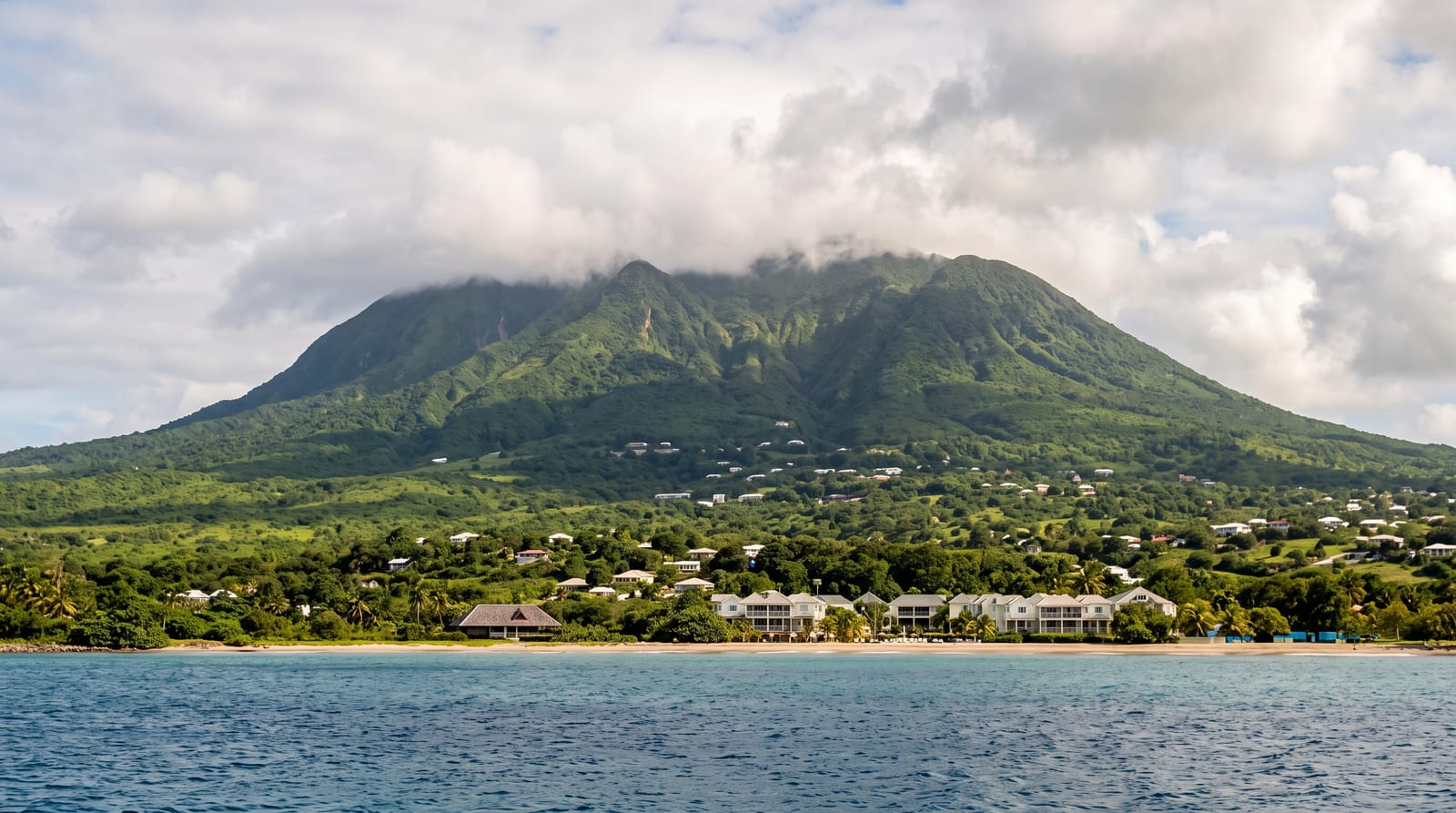
AI illustration
Baracoa was the first town the Spanish founded on Cuba, in 1511, and then it was effectively forgotten: the mountains behind it meant that until the La Farola road was cut in the 1960s, the only reliable way in was by sea. That isolation preserved a distinct local culture and, unusually for Cuba, a distinct cuisine, built on coconut milk, cacao and the spicy-sweet sauces that come with them. Above the town rises El Yunque, a flat-topped mountain that Columbus is said to have described in his journal, climbable in a long guided day. The Alejandro de Humboldt National Park nearby is one of the most biologically diverse spots in the Caribbean, and the rivers and beaches east of town are largely undeveloped.
History
Before the Spanish, the region was home to the Guanahatabey, Ciboney and Taíno peoples, and Hatuey, who led resistance to the Spanish here, is remembered as a local hero. Columbus reached the coast on 27 November 1492 at a place he called Porto Santo, generally taken to be Baracoa, and described a nearby table mountain, almost certainly El Yunque; tradition says he set up the Cruz de la Parra on the shore of the harbour. Around 15 August 1511 Diego Velázquez de Cuéllar, the first governor of Cuba, founded Nuestra Señora de la Asunción de Baracoa, the first capital of the island; it received the title of city and Cuba's first bishop in 1518, and the forts of El Castillo, Matachín and La Punta survive from Spanish times. In the 17th and 18th centuries its isolation made it a haven for trade with French and British merchants, and early in the 19th century settlers from Saint-Domingue began growing coffee and cocoa here. Until the 1960s the town could only be reached by sea; then La Farola, a 120-kilometre road through the mountains from Guantánamo, was built (Wikipedia, Baracoa).
What to look for
- El Yunque - the flat-topped mountain above town, a guided climb with a swim at the end.
- Alejandro de Humboldt National Park - exceptional endemism in rainforest and river country.
- Cacao farms - small growers along the Toa and Duaba rivers, with tastings.
- Playa Maguana - a quiet beach east of town, with local seafood shacks.
When to go
November to April is drier, though Baracoa is one of the wettest parts of Cuba and rain is common in any month. The hurricane season from August to October is a genuine consideration; the town has been hit hard more than once.
What to expect
It is a very long way from everywhere, and the mountain road in is spectacular but slow and prone to closure after storms. Facilities are simple and shortages bite harder this far east. The rain is real: bring waterproofs even in the dry season. Guides are compulsory for El Yunque and the national park, which is both a rule and sensible.
Nearby
Guantánamo city lies over the mountains; Santiago de Cuba is the nearest major city.
Key facts
Source: Wikidata, item Q94775, read on 18 October 2026.
What to pack for Baracoa
Chosen from what this place is for. Tap a kit for the full checklist.
- Reef-safe sunscreen - High SPF that will not bleach the coral you are swimming over. Find on Amazon
- Strong insect repellent - DEET or picaridin; the jungle is where bites and disease risk are highest. Find on Amazon
- Comfortable walking shoes - Sightseeing means kilometres of pavement and cobbles daily. Find on Amazon
- Quick-dry towel - A microfibre towel packs small and dries in minutes. Find on Amazon
Some links on this page are Amazon affiliate links - if you buy through them we may earn a small commission at no extra cost to you.
All packing kitsPlan your trip
Where to start if Baracoa is going on the list.
Booking links on this page are affiliate links - if you book through them we may earn a small commission at no extra cost to you. It never changes what we write about a place.
Opening times, ticket prices and seasonal closures change - check the official source before you go: official site.