Rio Botanical Garden
Founded in 1808 for acclimatising imported plants, with an avenue of imperial palms all descended from one tree.
Updated 29 August 2026
UNESCO World Heritage
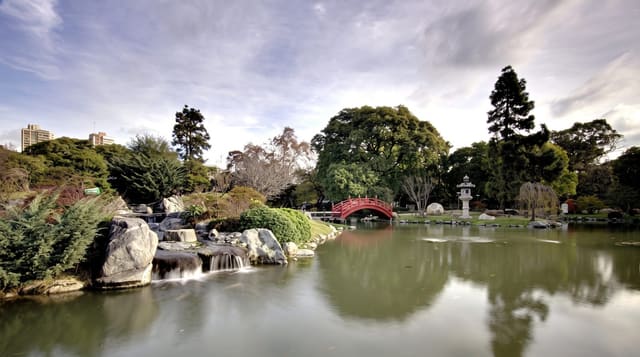
Dom Joao VI founded the garden in 1808, shortly after the Portuguese court fled Lisbon for Rio, as a place to acclimatise spice and useful plants brought from the Indies. The palm avenue is the set piece: two rows of imperial palms over thirty metres tall, all propagated from a single specimen the king is said to have planted himself, with seed from the original controlled for decades to keep the stock exclusive. The garden holds around eight thousand plant species over fifty-four hectares, with an orchid house, a collection of Amazonian species including the giant Victoria water lilies, a Japanese garden and the ruins of the original gunpowder factory. It is a component of the Carioca Landscapes World Heritage site.
What you'll find
- The imperial palm avenue - thirty-metre trees from a single 1809 specimen.
- Around eight thousand species - across fifty-four hectares of collections.
- Victoria water lilies - the giant Amazonian pads in the ponds.
- Gunpowder factory ruins - the site's use before the garden.
When to go
April to October. Half a day, going early for the birds.
Things to know
Some collections and glasshouses close for maintenance without notice. The garden is large and shade is uneven - it is hot by midday. Weekend crowds are heavy. Tickets are cheaper for residents than for foreign visitors.
Nearby
Parque Lage is a short walk; the Lagoa and Corcovado are close.
What to pack for Rio Botanical Garden
Chosen from what this place is for. Tap a kit for the full checklist.
- Layers for big temperature swings - Warm sun by day, near-freezing at night, even near the equator. Find on Amazon
- Comfortable walking shoes - Sightseeing means kilometres of pavement and cobbles daily. Find on Amazon
- Extra-strong sun protection - Thin air means fierce UV; hat, sunglasses and high-SPF sunscreen. Find on Amazon
- A slim anti-theft daypack - Zips that close properly; keep it in front in crowds and on transit. Find on Amazon
Some links on this page are Amazon affiliate links - if you buy through them we may earn a small commission at no extra cost to you.
All packing kitsPlan your trip
Where to start if Rio Botanical Garden is going on the list.
Booking links on this page are affiliate links - if you book through them we may earn a small commission at no extra cost to you. It never changes what we write about a place.
Opening times, ticket prices and seasonal closures change - check the official source before you go: official site.