Sajama National Park
Bolivia's oldest national park, around its highest peak, with the world's highest forest and hot springs on the plain.
Updated 18 October 2026
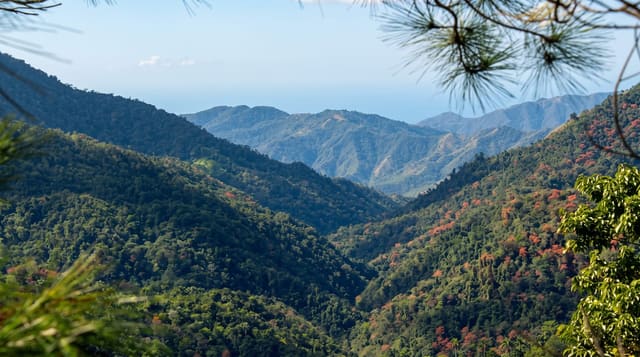
AI illustration
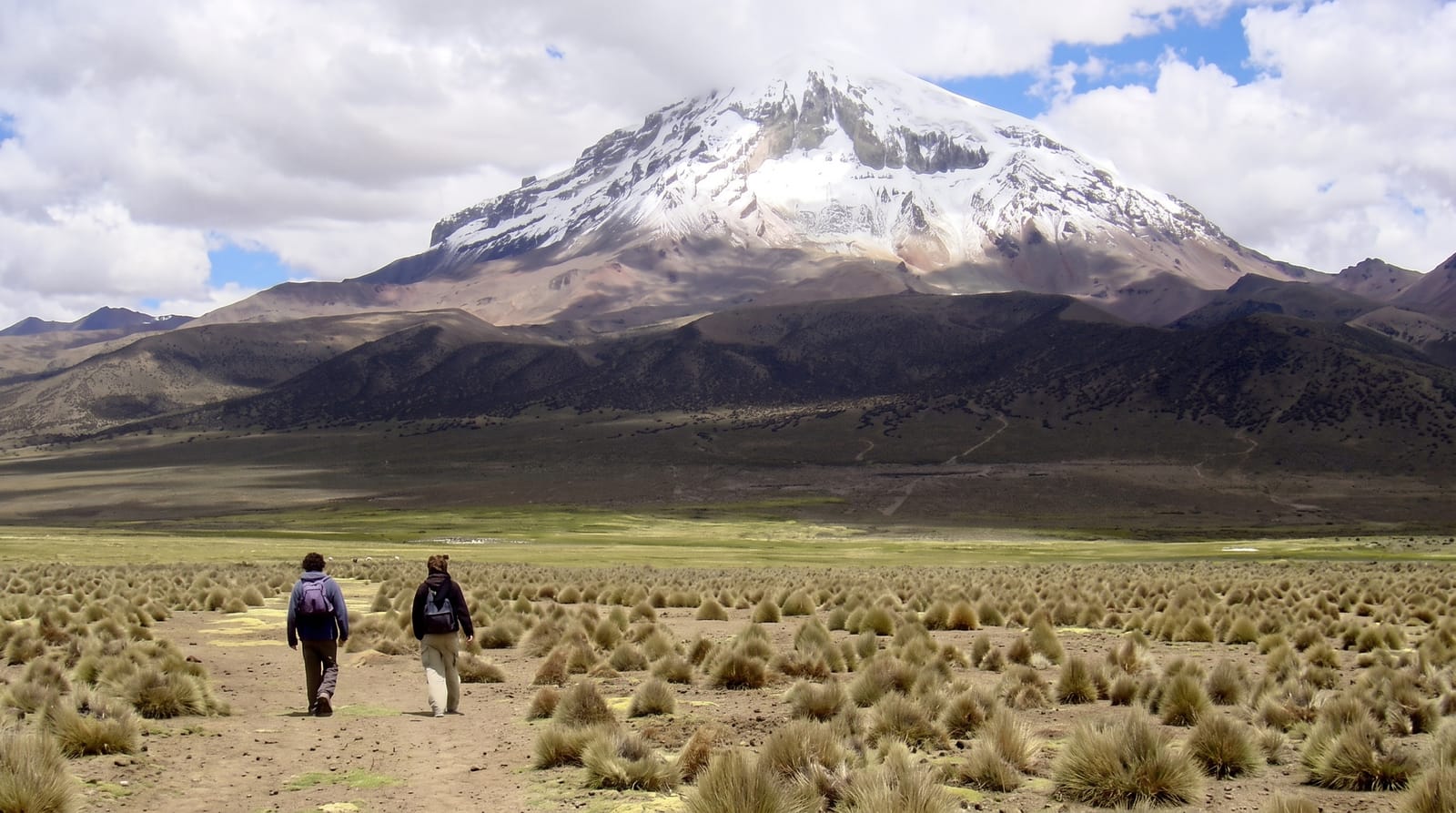
Nevado Sajama is a snow-capped volcanic cone reaching 6,542 metres, the highest point in Bolivia, and the national park around it was the country's first, declared in 1939. The slopes carry queñua woodland, Polylepis trees growing above 4,800 metres, the highest forest in the world - no other tree species is recorded growing this high - gnarled and papery-barked in a landscape where nothing else stands. Vicuña graze the plain, flamingos work the shallow lakes, and hot springs bubble up in the open with pools you can sit in while looking at the mountain. The village of Sajama runs the accommodation as a community enterprise, and the geyser field at the park's edge steams at dawn in the cold.
History
The area was declared a nature reserve in 1939 to protect the queñoa trees growing on its slopes, which at the time were being cut on a large scale for charcoal for the Bolivian mines, and it is the oldest national park in the country. It spans elevations from 4,200 to 6,542 metres, around the snowy cone of the Sajama volcano and the Payachata volcanic group, and borders Lauca National Park in Chile (Wikipedia, Sajama National Park).
What's there
- Nevado Sajama - the country's highest peak, seen from the plain around it.
- Queñua woodland - Polylepis trees growing higher than any other forest on earth.
- The hot springs - open-air pools on the altiplano with a mountain view.
- Vicuña and flamingos - wildlife on the plain and the shallow lakes.
When to go
April to October, the dry season. Nights are extremely cold year-round at this altitude, dropping well below freezing. The mountain is often clear in the morning and clouds over by afternoon.
Good to know
The village sits above 4,200 metres and altitude affects almost everyone arriving from lower ground; acclimatise before coming. Accommodation is basic community lodging with limited heating, and nights are genuinely freezing. Climbing Sajama itself is a serious high-altitude mountaineering objective requiring a guide and equipment, not a trek. Facilities and food options are minimal.
Nearby
The Chilean border and Lauca National Park are adjacent; Oruro lies east.
Key facts
Source: Wikidata, item Q1519747, read on 18 October 2026.
What to pack for Sajama National Park
Chosen from what this place is for. Tap a kit for the full checklist.
- Broken-in walking shoes or boots - Grip and ankle support matter more than looks; never hike in brand-new boots. Find on Amazon
- Binoculars - The single best wildlife tool - even a compact pair transforms a sighting. Find on Amazon
- Warm base layers - Merino or synthetic against the skin - never cotton, which chills when damp. Find on Amazon
- Layers for big temperature swings - Warm sun by day, near-freezing at night, even near the equator. Find on Amazon
Some links on this page are Amazon affiliate links - if you buy through them we may earn a small commission at no extra cost to you.
All packing kitsPlan your trip
Where to start if Sajama National Park is going on the list.
Booking links on this page are affiliate links - if you book through them we may earn a small commission at no extra cost to you. It never changes what we write about a place.
Opening times, ticket prices and seasonal closures change - check the official source before you go: official site.