Where Monarchs Spend the Winter
Every autumn, monarch butterflies from across North America gather in a few fir forests in the mountains of central Mexico. What you see there, how to plan a visit, and where to base yourself.

AI illustration.
Some links on this page are Amazon affiliate links - if you buy through them we may earn a small commission at no extra cost to you.
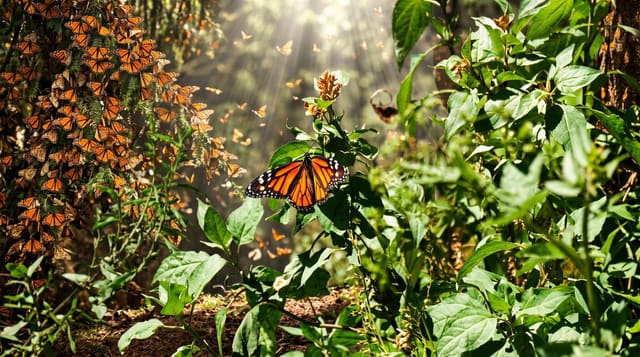
Each autumn, monarch butterflies from much of North America fly south to a small area of mountain forest in central Mexico and spend the winter there, packed together on the trees. The Monarch Butterfly Biosphere Reserve protects the main colonies, and visiting means a drive into the highlands, a walk or horse ride up through fir forest with a local guide, and then standing quietly at the edge of trees so covered in butterflies that their branches sag.
What happens in those forests
UNESCO, which added the reserve to the World Heritage list in 2008, describes it as lying in forested mountains about 100 km northwest of Mexico City. The butterflies come from breeding areas as far away as Canada and settle in close-packed clusters in the oyamel fir forests, and the same UNESCO page says the property protects 8 of the 14 known overwintering colonies of the eastern monarch population.
The sight is the trees themselves. Trunks and branches turn orange-brown with folded wings, and the clusters hang so densely that whole boughs bend. When the sun warms them, butterflies lift off and drift through the clearings, and UNESCO's description says the beating of their wings makes a sound like light rain.
In spring the monarchs leave. UNESCO describes the journey north and back as an eight-month migration during which four successive generations are born and die, which means the butterflies arriving in Mexico each autumn have never made the trip before.
Choosing a sanctuary
Visitors reach the colonies through sanctuaries run with local communities, each with its own trailhead, entry fee and guides. Our reserve page covers the best-known sanctuaries on the Michoacán side, El Rosario and Sierra Chincua, and what the walk up to the colonies is like.
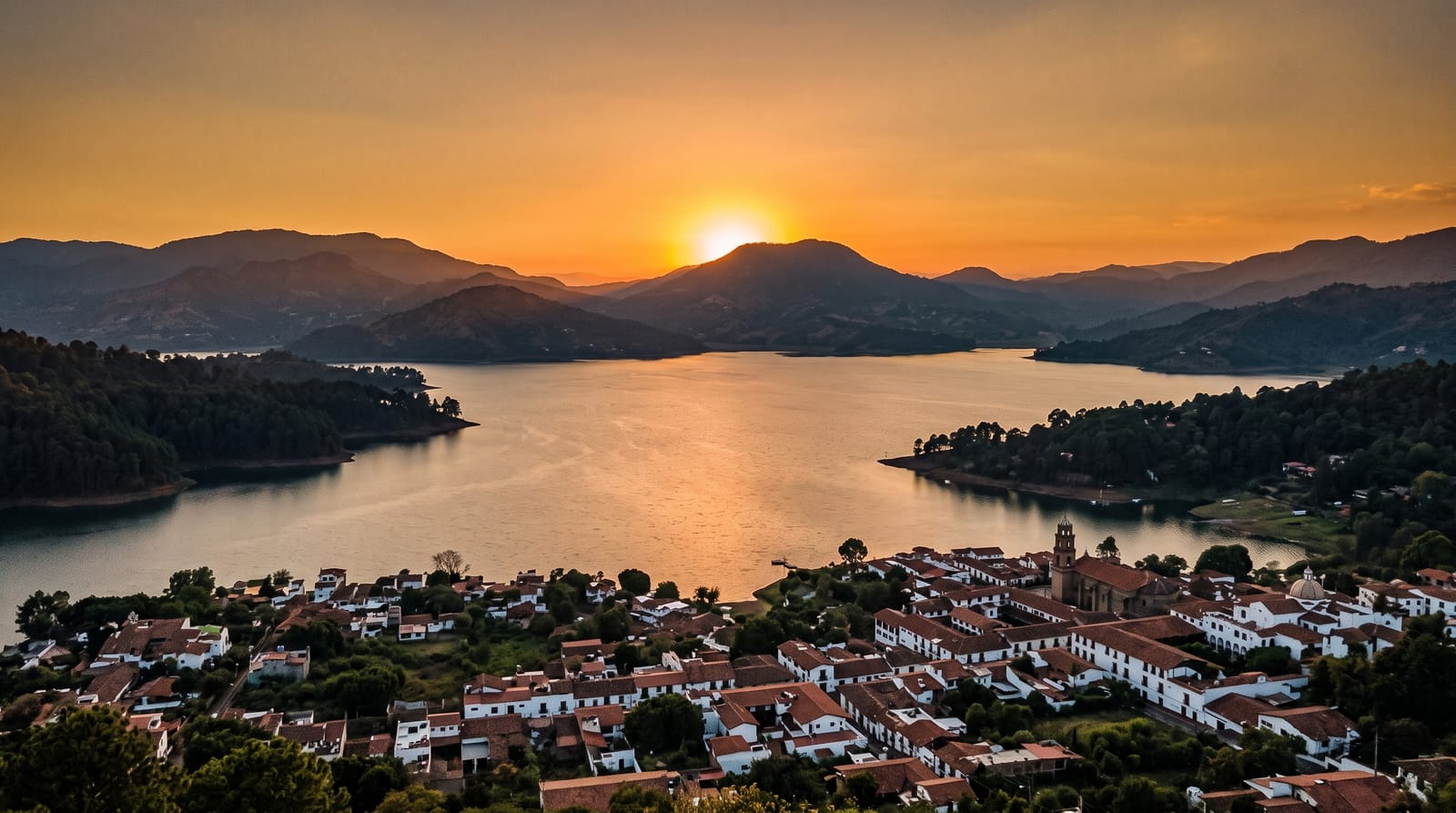
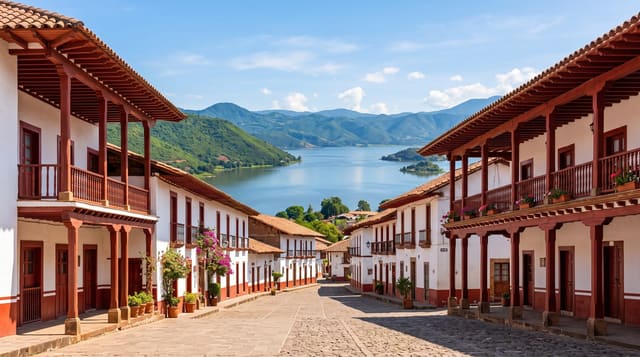
On the State of Mexico side, Piedra Herrada is the sanctuary usually visited from Valle de Bravo, a lakeside town in pine-covered mountains that makes a comfortable base with good food and an easy old centre to wander in the evening.
Colonies move from season to season and sometimes within a season, so which sanctuary has the densest clusters changes. Local guides and the sanctuary staff know where the butterflies are this year; ask before you set off.
Planning the visit
- Go on a sunny day if you can. On cold, cloudy mornings the clusters stay still and tightly packed. Warmth brings flight, so midday on a bright day usually gives the most movement.
- Expect a climb. Trails go uphill through the forest at altitude, and the air is thin enough that a slow pace helps. Horses are often available at the larger sanctuaries for the steepest stretch.
- Follow the guide's rules. Viewing is at a distance behind ropes, with quiet asked of everyone. Do not step on butterflies on the path; on cool days many rest on the ground.
- Leave early. Sanctuary roads are mountain roads, and starting early from your base gives you the best part of the day in the forest.
Dress in layers: mornings in the highlands are cold and the climb warms you up quickly. The hiking kit covers footwear and layers, and the wildlife kit adds binoculars and a camera with some reach. A compact pair of binoculars shows the clusters high in the firs in detail without stepping past the ropes.
Where to stay
Most travellers base themselves in one of three places:
- Morelia, the capital of Michoacán, with a pink-stone colonial centre that is a World Heritage Site in its own right. It suits a longer trip that also takes in the Michoacán highlands.
- Valle de Bravo, closer to Mexico City and the natural base for Piedra Herrada.
- Small towns near the sanctuaries, such as Angangueo, for an early start with less driving.
From Morelia, it is easy to add Pátzcuaro and its lake to the same trip, a highland town with markets, crafts and island villages.
Why it is worth the effort
There are bigger wildlife migrations in the world, but few you can stand inside. UNESCO calls the overwintering concentration the most dramatic manifestation of insect migration. Plan for a sunny day, a slow climb and a quiet hour at the colony, and let the butterflies set the pace.
When to go and how long
- Monarch Butterfly Reserve Mexico Best season Late November to March Time to allow A full day
- Valle de Bravo Mexico Best season November to April; monarch season adds December to February Time to allow A weekend
- Morelia Mexico Best season October to May Time to allow Two to three days
- Pátzcuaro Mexico Best season October to May Time to allow Two to three days
Taken from each place page, where opening rules and the official link are kept.