Snorkelling for Complete Beginners
Ten minutes of technique separates gasping in the shallows from floating over reefs like you were born there. Mask fit, breathing, and where to learn.

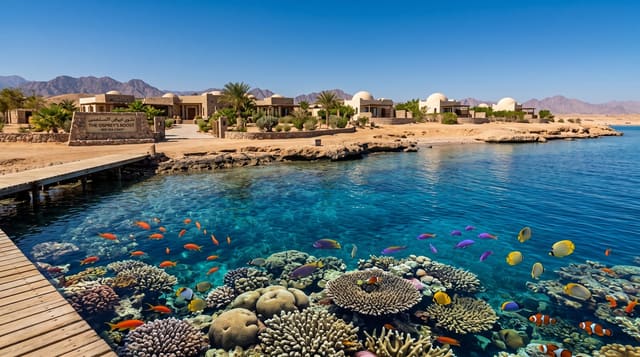
AI illustration.
Some links on this page are Amazon affiliate links - if you buy through them we may earn a small commission at no extra cost to you.
Snorkelling looks like swimming but is closer to floating with homework. Most first-timers fight the water, flood the mask, and give up before the reef gets good. Ten minutes of technique fixes all of it.
The mask is 80 percent of everything
A leaking mask ruins snorkelling; a fitted one makes it effortless. The shop test: press the mask to your face without the strap, breathe in through your nose, let go. A good fit holds on by suction alone. Your own mask and snorkel beats every scratched rental for fit and hygiene, and it is the one purchase that upgrades every beach trip afterwards; the rest of the checklist is in the diving and snorkelling kit.
Fog is the other rookie curse: a drop of baby shampoo or spit rubbed inside, rinsed once, keeps the glass clear. Hair out of the seal, no smiling underwater (it breaks the skirt's grip), and the mask becomes furniture you forget.
Breathe like you have time
The snorkel rewards slow, deep, deliberate breaths; fast shallow panting fogs the mask and feeds panic. Practise first standing in waist-deep water, face in, hands on knees, until the rhythm bores you. Water in the tube is not an emergency: a sharp exhale, the "two" of a spoken "one, two", blasts it clear.
Then the real secret: stop swimming. Lie flat, arms along your sides or folded, and let slow fin flicks do everything. The stillest snorkeller sees the most fish, floats the longest, and never gets tired.
Safety in one paragraph
Fins on, always; currents are stronger than arms. Snorkel with a buddy, stay inside reef lagoons rather than outside them, ask locally about currents as our beach kit preaches, and never touch anything: coral cuts, urchins spike, and the reef bruises for decades. Reef-safe sunscreen plus a rash shirt beat lotion alone, because your back is at the surface all day.
Gentle first waters
Calm, clear and shallow is the recipe: the sheltered lagoons of the Red Sea coast, the impossibly rich shallows of Raja Ampat, or the glass-clear cenotes of Yucatan for something stranger. Two calm sessions and the technique disappears into the background.
After that it is just you, slow breaths, and a reef minding its dazzling business below. That is the whole sport, and it is glorious.
When to go and how long
- The Red Sea Coast Egypt Best season Year-round; spring and autumn ideal Time to allow Several days
- Raja Ampat Indonesia Best season October to April Time to allow Several days
- The Yucatan Cenotes Mexico Best season November to April Time to allow Half a day
Taken from each place page, where opening rules and the official link are kept.