Raja Ampat
The last paradise - a remote archipelago of jungle-clad karst islands scattered across turquoise seas in West Papua, holding the richest marine biodiversity on earth, a diver's dream.
Updated 19 October 2026

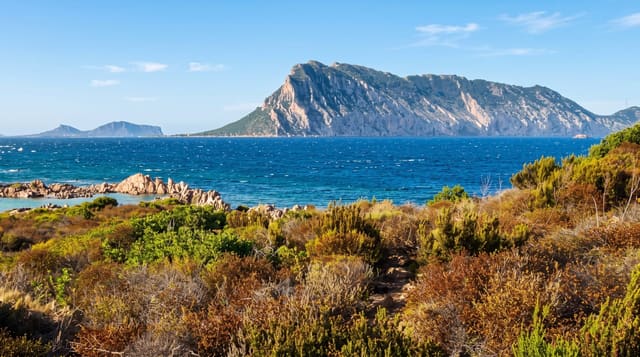
AI illustration
Raja Ampat, off the far eastern coast of Indonesia in West Papua, is often called the last paradise, a remote archipelago of hundreds of jungle-clad karst islands scattered like emeralds across brilliant turquoise seas. Beneath the water lies the richest marine biodiversity on earth, with more coral and fish species than anywhere, making it a world-class, if hard-to-reach, destination for diving and snorkelling, above pristine lagoons and iconic island viewpoints.
History
Archaeological evidence shows people first reached the islands more than 50,000 years ago, when Misool and Salawati were joined to New Guinea and Waigeo and Batanta formed one island, Waitanta; at the Mololo Cave site early people processed tree resins and hunted native animals. The name means "the four kings", after the main islands of Misool, Salawati, Batanta and Waigeo (Wikipedia, Raja Ampat Islands).
The landscape
- The karst islands - the jungle-clad limestone islands and lagoons.
- The diving and snorkelling - the richest reefs and marine life on earth.
- Piaynemo - the iconic viewpoint over the clustered islands.
- The pristine wilderness - the remote, untouched seas and villages.
When to go
October to April for the best diving conditions and calmest seas, though it is a year-round destination; the remote location means going is a commitment at any time. Liveaboard boats and remote homestays and resorts are the main ways to stay.
Good to know
It is very remote and expensive to reach, requiring flights to Sorong and then boats, so it is a serious, costly trip for dedicated divers and nature lovers rather than a casual stop. Facilities range from simple village homestays to pricey resorts and liveaboards. Its very remoteness is what keeps it pristine.
Nearby
Sorong in West Papua is the gateway; the wider islands of eastern Indonesia lie beyond.
Key facts
Source: Wikidata, item Q15088317, read on 18 October 2026.
What to pack for Raja Ampat
Chosen from what this place is for. Tap a kit for the full checklist.
- Reef-safe sunscreen - High SPF that will not bleach the coral you are swimming over. Find on Amazon
- Your own mask + snorkel - A well-fitting mask is the single biggest comfort upgrade underwater. Find on Amazon
- Head torch + spare batteries - Hands-free light is essential; caves are truly dark. Find on Amazon
- Strong insect repellent - DEET or picaridin; the jungle is where bites and disease risk are highest. Find on Amazon
Some links on this page are Amazon affiliate links - if you buy through them we may earn a small commission at no extra cost to you.
All packing kitsPlan your trip
Where to start if Raja Ampat is going on the list.
Booking links on this page are affiliate links - if you book through them we may earn a small commission at no extra cost to you. It never changes what we write about a place.
Opening times, ticket prices and seasonal closures change - check the official source before you go: official site.