National Dishes at the Source
Six cuisines best understood at home - Georgia's supra feast, Lebanon's mezze, Peru's ceviche, Korea's kimchi, Japan's washoku and Ethiopia's injera.

AI illustration.
Some cuisines export well. Others only fully exist at home, tangled into rituals, tables and rules that do not fit in a takeaway box. Six worth travelling for in their entirety.
1. Georgia: the supra
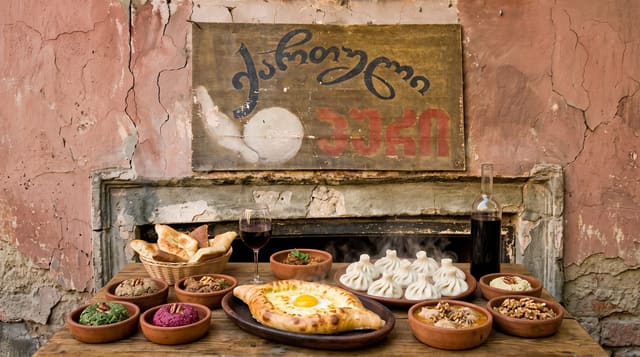
Georgian cuisine peaks at the supra - the toasting feast where a tamada leads rounds of increasingly heartfelt toasts over khinkali dumplings, khachapuri cheese bread and qvevri wine made in buried clay vessels for eight thousand years. Hold the khinkali by its topknot, never eat the knot, and see our Georgia notes before your first toast with chacha.
2. Lebanon: mezze without end
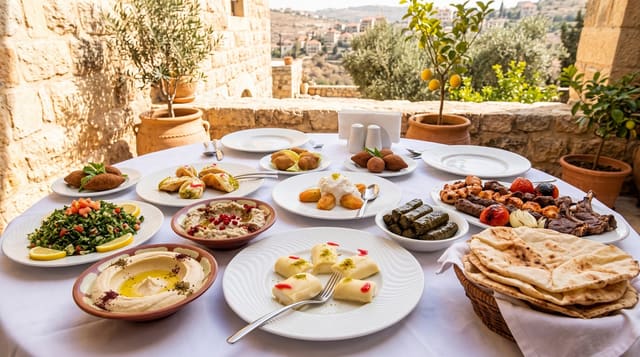
Lebanese food is generosity in table form: mezze arriving in waves - hummus, tabbouleh heavy on the parsley, kibbeh, man'oushe from the morning bakery - until the table disappears. The Levantine originals recalibrate anyone who knows these dishes only from supermarket tubs.
3. Peru: ceviche and altitude
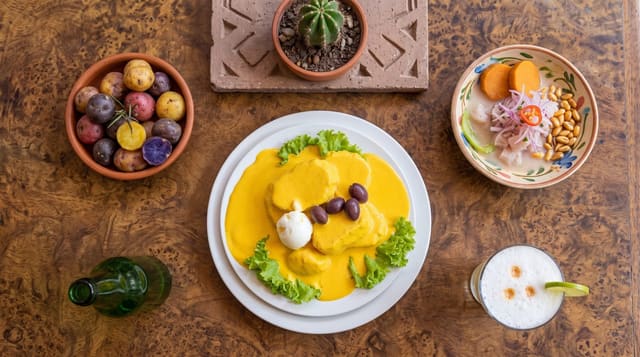
Peruvian cuisine is having its global moment, but home ground still wins: ceviche cured in leche de tigre at a Lima cevicheria before noon, causa layered like architecture, and in the mountains, earth-oven pachamanca. Lima's food scene alone justifies the flight; the Peru pages add the wonders around it.
4. South Korea: kimchi and the shared table
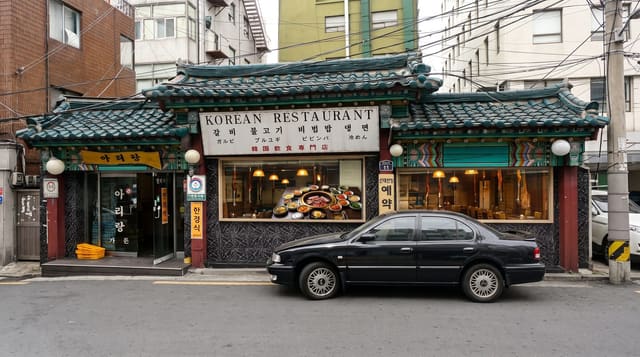
Korean food is communal machinery: banchan side dishes crowding the table before the mains arrive, grill tongs passed around, stews bubbling on burners set into the table itself. Kimchi-making itself is UNESCO-listed heritage. The etiquette in our Korea notes - pour for others, never yourself - is half the experience.
5. Japan: washoku as worldview
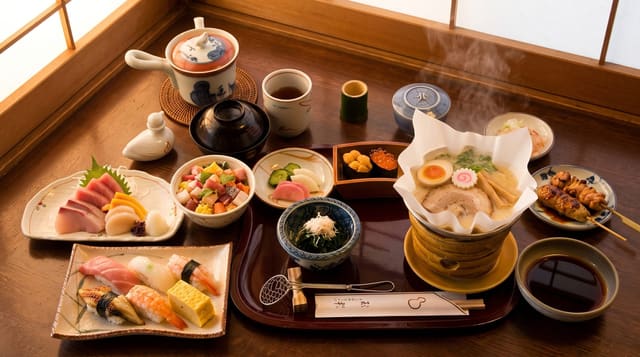
Japanese cuisine is UNESCO-listed as a complete cultural practice - seasonality, balance, presentation - and eating through it at home runs from convenience-store perfection to temple vegetarian kaiseki. The revelation is often the humble end: a station bento, morning market seafood, ramen at a counter of silent devotees.
6. Ethiopia: the injera table
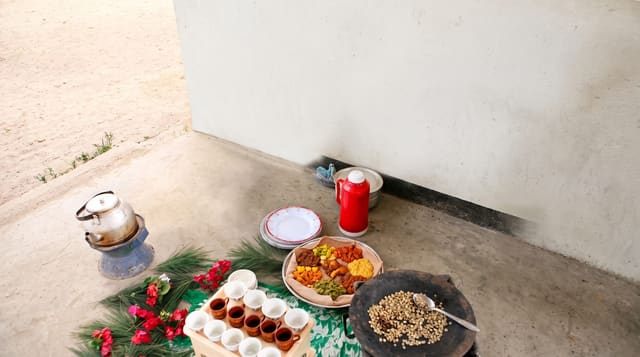
Ethiopian food is eaten from one shared platter: injera flatbread - sour, spongy, made from tiny teff grain - piled with stews and torn by hand, right hand only. The gursha, feeding a morsel to a companion, is friendship made edible. Paired with the coffee ceremony, it is hospitality as complete art.
Eating like it matters
The pattern across all six: national dishes at home come attached to time, company and ceremony that exports shed first. Give them the full sitting. Our food category documents a cuisine page for every country we cover - all 243 of them - and the foodie kit packs the practical side.
When to go and how long
- Georgian Cuisine Georgia Best season Year-round Time to allow A meal
- Lebanese Cuisine Lebanon Best season Year-round Time to allow A meal
- Peruvian Cuisine Peru Best season Year-round Time to allow A meal
- Korean Cuisine South Korea Best season Year-round Time to allow A meal
- Japanese Cuisine Japan Best season Year-round Time to allow A meal
- Ethiopian Cuisine Ethiopia Best season Year-round Time to allow A meal
Taken from each place page, where opening rules and the official link are kept.