Midnight Sun and Polar Night
Above the Arctic Circle the sun stops setting in summer and stops rising in winter - what each extreme actually feels like and where to experience both.
Illustrative image.
Some links on this page are Amazon affiliate links - if you buy through them we may earn a small commission at no extra cost to you. We only list the kind of gear we would pack ourselves.
Cross the Arctic Circle and the day-night contract dissolves. In high summer the sun circles the sky without setting; in deep winter it never clears the horizon at all. Both extremes are travel experiences in their own right - stranger and more beautiful than the brochure versions suggest.
The midnight sun: summer without an off switch
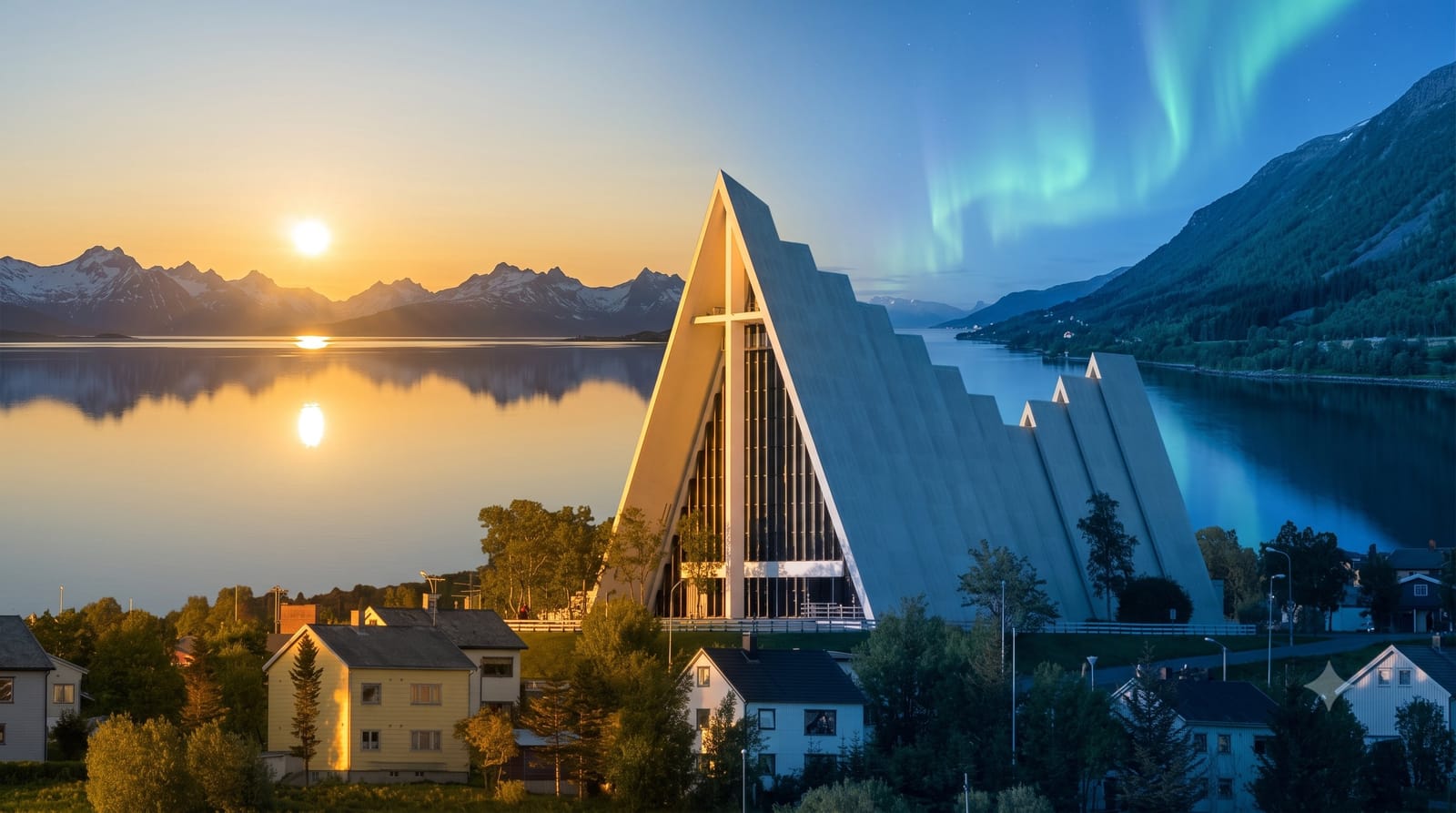
Under the midnight sun, time goes pleasantly wrong. Hikes start at nine in the evening because why not; golf courses run midnight tournaments; birds sing at two in the morning with total conviction. The light itself is the show - for hours around midnight the sun hangs low and golden, a sunset that refuses to finish, and photographers call it the longest golden hour on Earth.
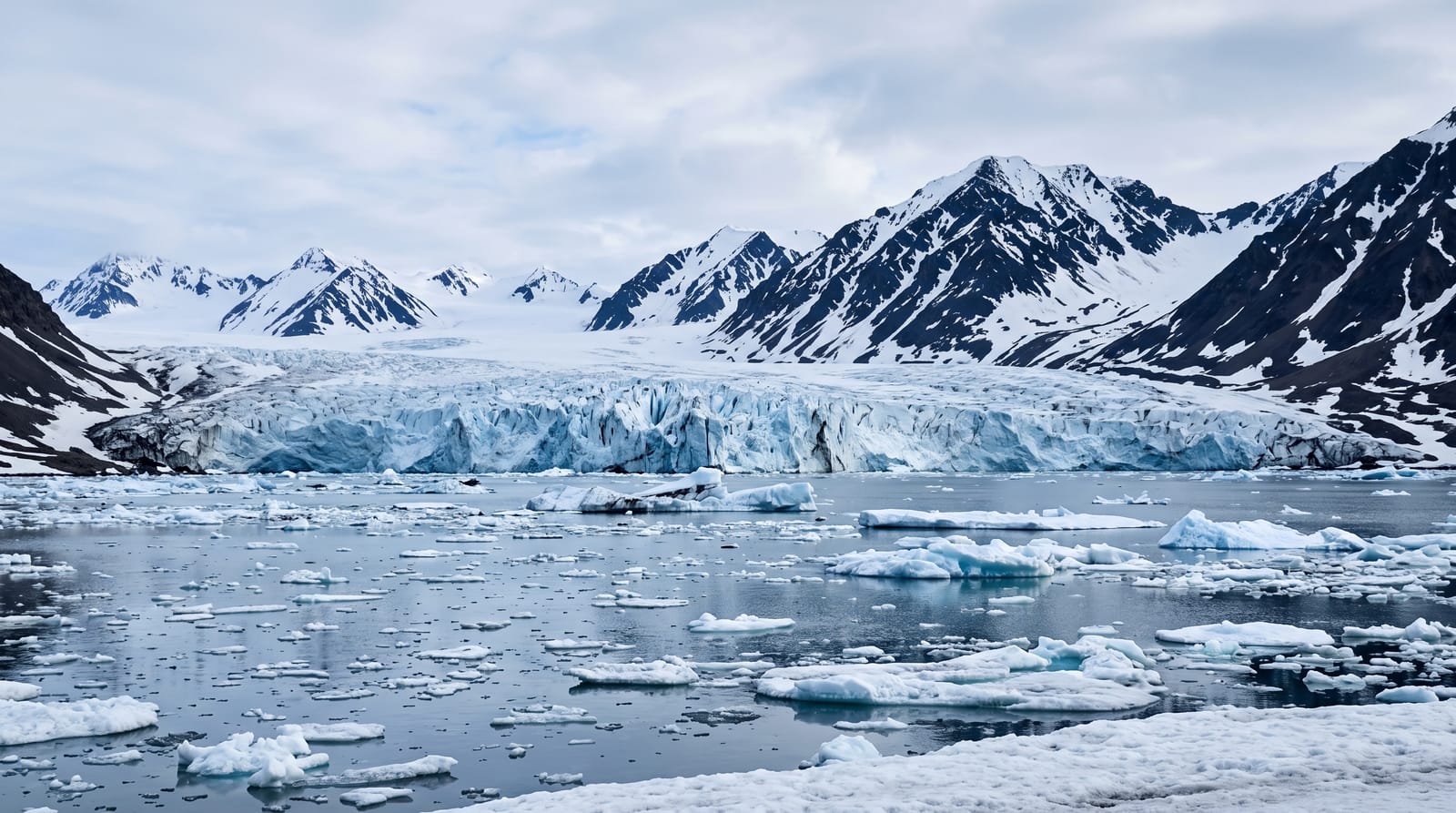
The honest part: sleeping takes strategy. Eye masks, blackout curtains and discipline, because your body will cheerfully stay up until four. The deeper north, the longer it lasts - in Svalbard, the sun stays up continuously from late April to late August.
The polar night: winter's blue room
The polar night is not the black month people imagine. Around midday the sky performs a long, extraordinary twilight - deep blues into rose - and snow reflects every scrap of light. Towns lean in: candles in windows, festivals, saunas working overtime. And the permanent darkness has one enormous compensation: auroras become an any-hour possibility rather than a late-night vigil, with Lapland and the Norwegian north the classic grandstands - see our Iceland or Lapland comparison for choosing a base.
Where to feel each
For midnight sun: anywhere north of the Circle works, but coastal Norway - the Lofoten Islands at midnight, mountains gold over still water - is the aesthetic peak. For polar night: Tromso wears it most sociably, while Svalbard offers the full planetary extreme, polar bears and frozen fjords included, guides mandatory beyond town.
The practical bit
Summer needs an eye mask and layers - Arctic midnight is bright but rarely warm. Winter is the cold-weather kit's final exam: real insulation, real boots, and a tripod for the aurora hours, as our aurora photography guide explains. Check June and December for what else peaks at each pole of the year - and know that both extremes recalibrate what "a day" means long after you fly home.