Beating Jet Lag: What Works
Jet lag is a light problem, not a sleep problem. The honest science of resetting your body clock, and the tricks that are mostly theatre.

AI illustration.
Jet lag is not tiredness. It is your body running the old time zone's schedule in a new place: wide awake at 3 am in Bangkok, falling asleep into lunch in New York. The fix is not willpower. It is light.
Your clock listens to daylight
The body clock takes its cue from daylight: the UK's National Health Service puts going outside during the day on its short list, because natural light helps the clock adjust, and says jet lag usually improves within a few days. That gives the honest rule: a big jump takes days no matter what anyone sells you, and many travellers find eastward flights the harder direction.
The practical version: after flying west, seek evening light and stay up late. After flying east, seek morning light and avoid bright evenings for the first days. Get outside; window glass and hotel lobbies are weak medicine compared to sky.
What genuinely helps
- Start shifting before you fly: the NHS suggests going to bed and getting up earlier or later than usual, closer to the destination's time zone, and arriving well rested.
- On board, live on destination time from the gate, as covered in our long-haul guide.
- Go easy on caffeine and alcohol: the NHS warns that too much of either can make jet lag worse.
- Melatonin divides the referees: a Cochrane review of ten trials concluded it reduces jet lag after flights across five or more time zones, while the NHS does not recommend it, saying there is not enough evidence that it works. If you consider it, clear it with your own doctor or pharmacist first and read the local rules, because some countries restrict it.
- Naps are the trap: the NHS advice is to sleep only at night in the new time zone and to set an alarm so you do not oversleep in the morning.
What is mostly theatre
Fasting protocols, grounding, special diets, expensive light-therapy glasses for a one-week holiday, and any app promising a one-day fix for eight zones: none of them is on the NHS list of things that help. Drinking plenty of water is on it, as flight advice rather than a cure for the clock.
The arrival playbook
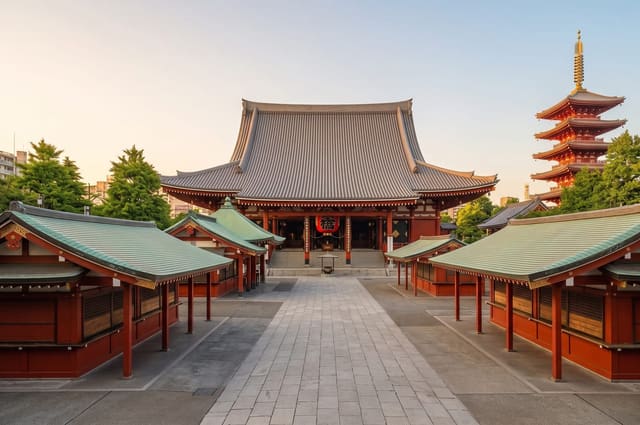
Day one: outside in daylight, gentle plans, dinner at local time, sleep at a plausible local hour even if it is early. Day two: normal schedule, morning light, no daytime sleep. Give it the few days the NHS says it usually takes; a sunrise at Senso-ji is a better alarm clock than any app.
Pack the essentials, respect the light, and give the clock the days it was always going to take. Jet lag cannot be beaten, only negotiated well.
When to go and how long
- Senso-ji and Asakusa, Tokyo Japan Best season Year-round; spring and autumn mildest Time to allow Two to three hours
- Grand Canyon United States Best season March to May and September to November Time to allow A day to several
- The Grand Palace and Wat Phra Kaew Thailand Best season November to February Time to allow Half a day
Taken from each place page, where opening rules and the official link are kept.