Grand Canyon
A mile-deep, three-hundred-mile gorge carved by the Colorado River through banded rock - the most awe-inspiring canyon on earth and a UNESCO site.
Updated 18 October 2026
AI illustration
UNESCO World Heritage
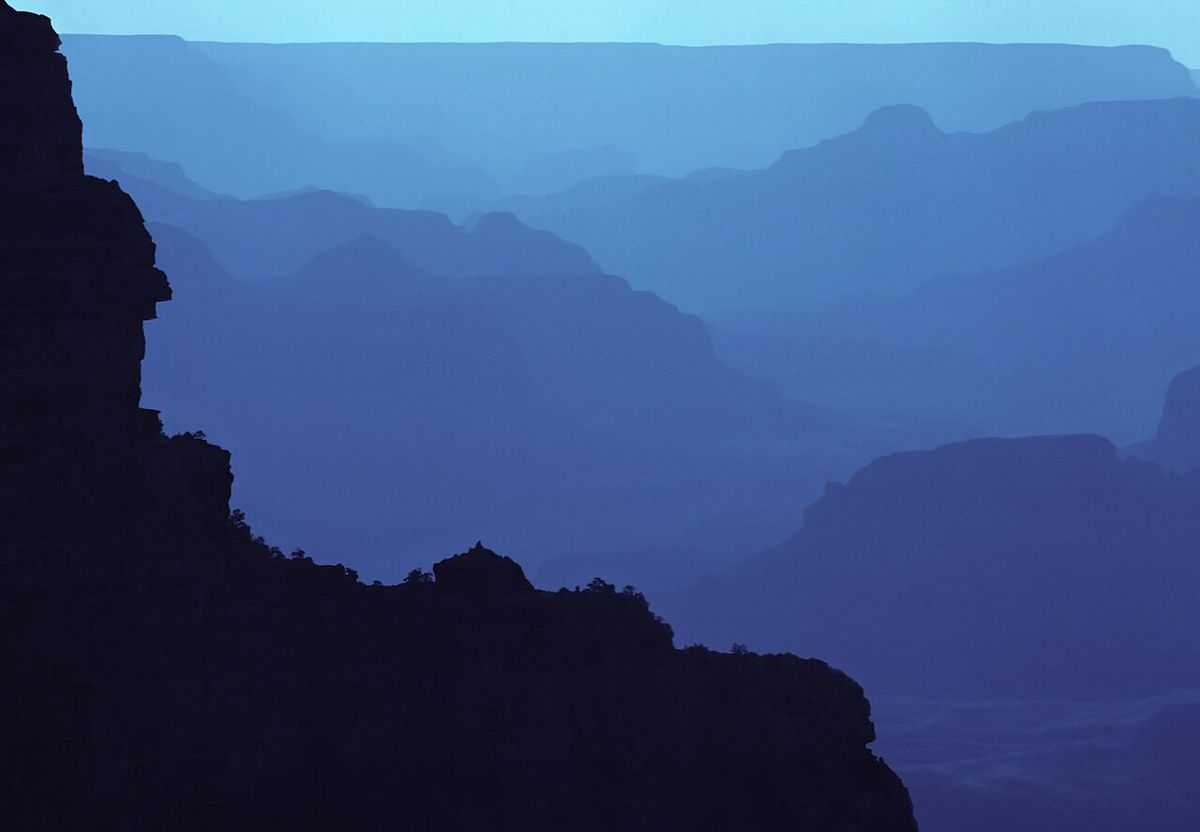
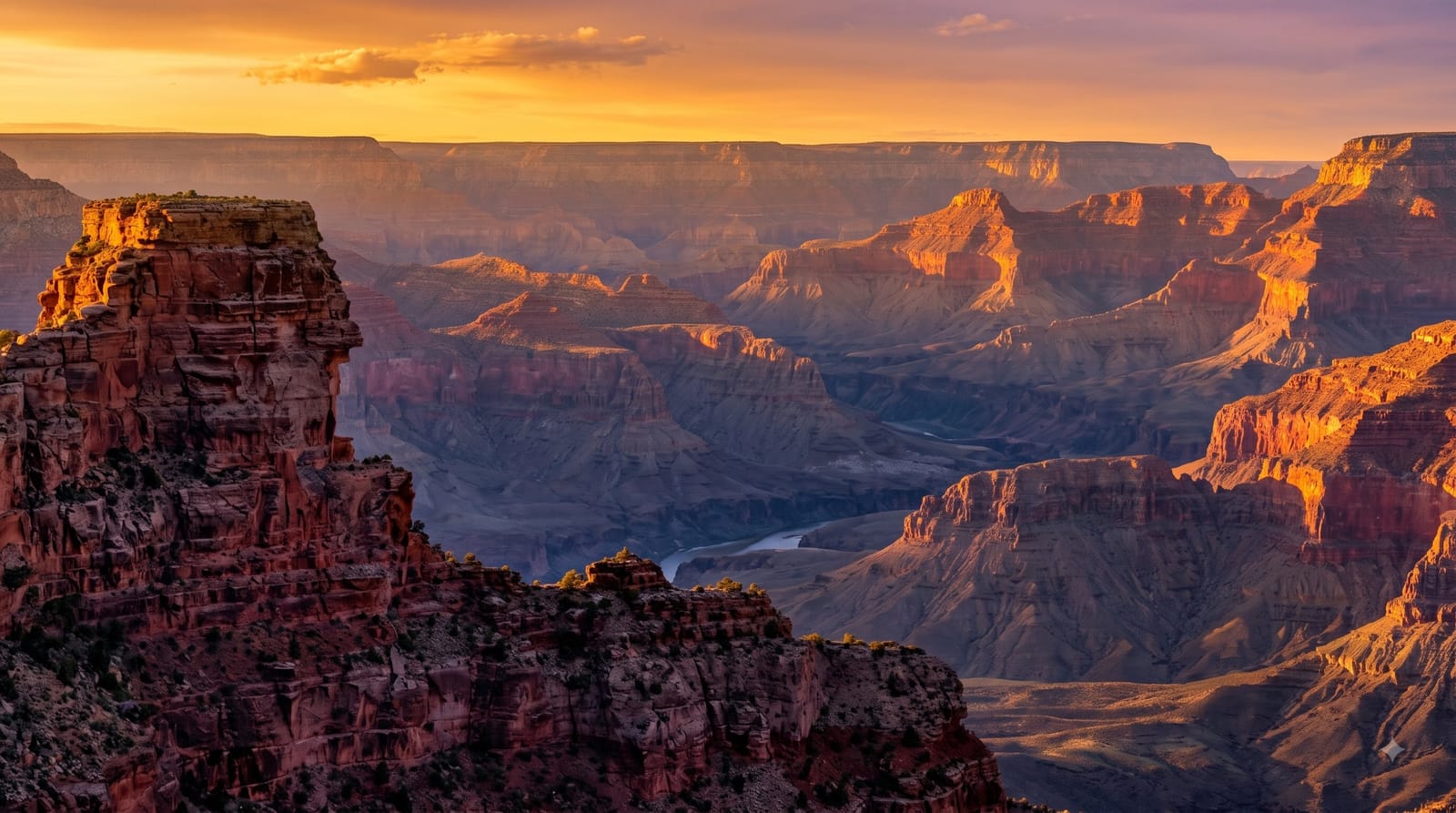
The Grand Canyon is a mile deep, up to eighteen miles wide and nearly three hundred miles long, a vast gorge the Colorado River has cut through two billion years of banded rock. Nothing prepares you for the scale of it, the layered walls glowing at dawn and dusk, and it remains one of the great natural wonders and a UNESCO site.
History
The Ancestral Puebloans, whose culture emerged by about 1200 BC, were the first people known to live in the canyon area, and the Cohonina, ancestors of the Havasupai and Hualapai who live here today, lived to the west between 500 and 1200 AD, with the Sinagua to the south-east. In September 1540, on Coronado's orders to look for the fabled Seven Cities of Cibola, Captain García López de Cárdenas reached the South Rim with Hopi guides, and three of his soldiers climbed a third of the way down before lack of water turned them back, reporting rocks bigger than the Giralda tower of Seville. Theodore Roosevelt later championed the canyon's protection, and much of it now lies in Grand Canyon National Park (Wikipedia, Grand Canyon).
What's there
- The South Rim viewpoints - Mather Point, Yavapai and Hopi Point for the classic vistas.
- Sunrise and sunset - the light that sets the layered walls glowing.
- The Bright Angel and Kaibab trails - the routes descending toward the river.
- The North Rim - the higher, cooler, far quieter side, open in summer only.
When to go
Spring and autumn for mild rim temperatures; summer is hot and crowded, and the inner canyon dangerously so. Winter brings snow to the rim and solitude. The North Rim closes for winter. The Dragon Bravo Fire of July 2025 destroyed 113 structures there, among them the historic Grand Canyon Lodge and the visitor centre, so check what is open before making the long drive round.
Good to know
The South Rim is busy and its viewpoints can feel crowded, so walk a little along the rim for space. Hiking below the rim is far harder than it looks, and the heat kills the unprepared, so never try to reach the river and back in a day. It is remote, so plan travel and lodging ahead.
Nearby
Flagstaff and Route 66 are to the south; Monument Valley, Antelope Canyon and Zion lie across the wider Colorado Plateau.
Key facts
Source: Wikidata, item Q118841, read on 18 October 2026.
What to pack for Grand Canyon
Chosen from what this place is for. Tap a kit for the full checklist.
- Broken-in walking shoes or boots - Grip and ankle support matter more than looks; never hike in brand-new boots. Find on Amazon
- Warm base layers - Merino or synthetic against the skin - never cotton, which chills when damp. Find on Amazon
- Layers + a waterproof shell - Mountain weather turns fast; a packable rain jacket saves the day. Find on Amazon
- An insulated + windproof jacket - A down or synthetic layer under a hard shell handles most cold. Find on Amazon
Some links on this page are Amazon affiliate links - if you buy through them we may earn a small commission at no extra cost to you.
All packing kitsPlan your trip
Where to start if Grand Canyon is going on the list.
Booking links on this page are affiliate links - if you book through them we may earn a small commission at no extra cost to you. It never changes what we write about a place.
Opening times, ticket prices and seasonal closures change - check the official source before you go: official site.