Surviving the Long-Haul Flight
Twelve hours in seat 43E is a skill you can learn. Seat strategy, sleep, hydration and the small kit that turns a long flight from ordeal into transit.

AI illustration.
Some links on this page are Amazon affiliate links - if you buy through them we may earn a small commission at no extra cost to you.
Nobody lands in Tokyo or Sydney fresh. But there is a large difference between tired and destroyed, and it is decided by a handful of choices, most of them before boarding.
The seat decides half of it
On anything over eight hours, the seat matters more than the airline. Window means a wall to lean on and no waking for neighbours; aisle means freedom to move; middle means you booked late. Check the seat map when booking, avoid the rows by galleys and toilets, and remember that on big jets the rear often flies emptier - a spare middle seat beside you outranks any extras money can buy.
Sleep is engineered, not hoped for
Set your watch to destination time at the gate and start living it: if it is night there, your job is sleep. The kit that actually works is small: a supportive neck pillow, real earplugs or noise-cancelling, and a proper eye mask. Skip the second glass of wine: the NHS says too much alcohol can make jet lag worse. Eat light, and treat the movie marathon as the fallback, not the plan.
The dry truth about cabins
Cabin air is dry, and a long flight leaves many people with a headache, grogginess and a cardboard mouth; drinking plenty of water is on the NHS list for the flight. Carry an empty collapsible bottle through security, fill it airside, and refuse to ration. Add lip balm and a small moisturiser and you land human. Compression socks are not a myth either: a Cochrane review found high-certainty evidence that airline passengers who wear them develop fewer symptomless clots in the leg veins, though the trials were too small to say anything about serious clots. Anyone with a clot history or other risk factors should ask a doctor before a long flight.
Move, or regret it
Stand, walk the aisle and stretch calves and shoulders whenever you can: for journeys of four hours or more the NHS lists walking around when possible among the ways to lower the chance of a blood clot. It also fights stiffness and the zombie shuffle at immigration. An aisle-seat neighbour who moves regularly also resents you less when you do.
Landing on your feet
On arrival, daylight is the reset button: get outside, stay up until a plausible local bedtime, and keep the first day gentle. The essentials kit covers the arrival basics; the destination pages cover the rest, from Chile's far south to anywhere else the long-haul network drops you.
A twelve-hour flight is never fun. Flown deliberately, it is merely boring, and boring is the goal.
When to go and how long
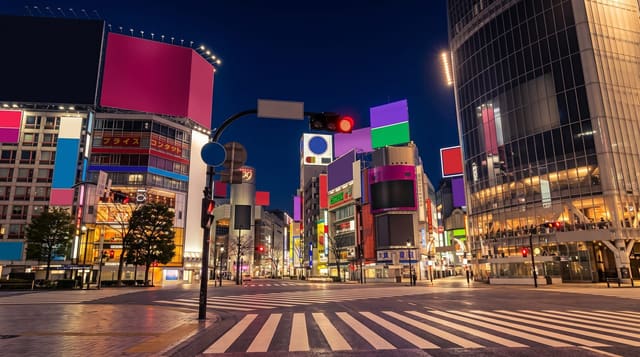
- Shibuya Crossing, Tokyo Japan Best season Year-round Time to allow One to two hours
- The Sydney Opera House Australia Best season September to November and March to May Time to allow One to three hours
- Torres del Paine Chile Best season November to March Time to allow Several days
Taken from each place page, where opening rules and the official link are kept.