Ouidah and the Slave Route
A sombre memorial to the slave trade - a historic coastal town at the heart of the notorious Slave Coast, where the poignant Route des Esclaves traces the final path of enslaved Africans to the sea, ending at the memorial Door of No Return.
Updated 3 September 2026
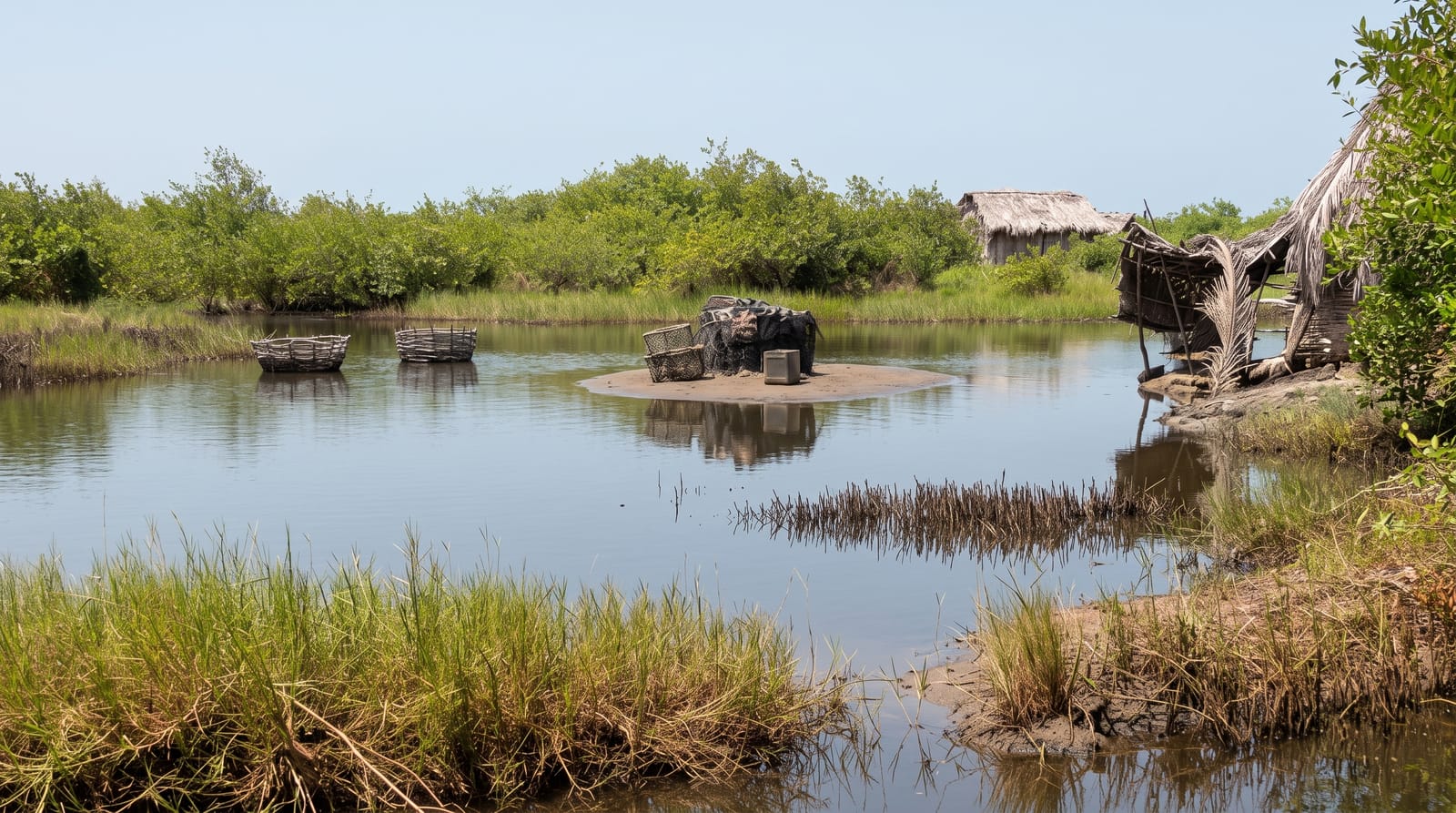
AI illustration
Ouidah, a historic town on Benin's coast, lies at the heart of what was once the notorious Slave Coast, and its most significant and moving legacy is the Route des Esclaves, the Slave Route. This poignant path traces the final journey that hundreds of thousands of enslaved Africans were forced to walk, from the town's slave auction square, past sites of memory and ritual, some four kilometres to the beach where they were loaded onto ships. The route ends at the Door of No Return, a memorial arch on the shore marking the point of final departure from Africa, a powerful and sombre place of remembrance and pilgrimage.
Highlights
- The Route des Esclaves - the memorial path to the sea.
- The Door of No Return - the memorial arch on the beach.
- The history museum - the story of the slave trade, in an old fort.
- The memorials - the monuments and sites along the route.
When to go
November to February, the drier, cooler season, for the most comfortable visit; the route is walked or driven with time and reflection rather than rushed, ideally with a guide to tell its history. Ouidah is also a centre of Vodun, and its annual voodoo festival in January draws crowds and adds a powerful cultural dimension.
Before you go
This is a place of immense human suffering and remembrance, not conventional sightseeing, so it should be approached with the respect, quiet and emotional readiness such a site demands, and it is particularly significant for visitors of African descent tracing this history. The sites are spread along the route and best understood with a guide. Difficult as it is, though, Ouidah and its Slave Route are among the most important and moving historical sites in West Africa.
Nearby
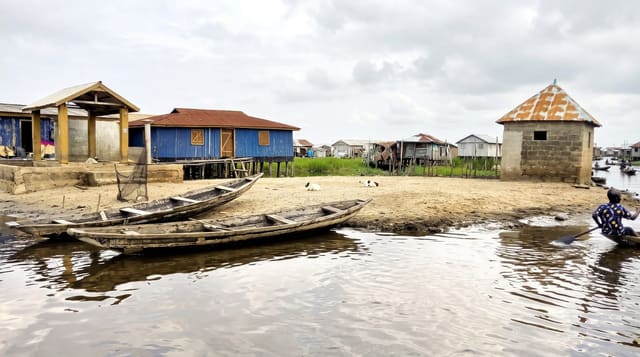
The stilt village of Ganvié, Cotonou and the voodoo temples are close by.
What to pack for Ouidah and the Slave Route
Chosen from what this place is for. Tap a kit for the full checklist.
- Comfortable walking shoes - Sightseeing means kilometres of pavement and cobbles daily. Find on Amazon
- Modest clothing - Shoulders and knees covered - the single most common requirement. Find on Amazon
- A slim anti-theft daypack - Zips that close properly; keep it in front in crowds and on transit. Find on Amazon
- A scarf or shawl - To cover the head or shoulders on entry; women especially at mosques. Find on Amazon
Some links on this page are Amazon affiliate links - if you buy through them we may earn a small commission at no extra cost to you.
All packing kitsPlan your trip
Where to start if Ouidah and the Slave Route is going on the list.
Booking links on this page are affiliate links - if you book through them we may earn a small commission at no extra cost to you. It never changes what we write about a place.
Opening times, ticket prices and seasonal closures change - check the official source before you go: official site.