Sitatunga Valley
A wetland outside Cotonou run as a community reserve, named for its swamp antelope.
Updated 12 October 2026
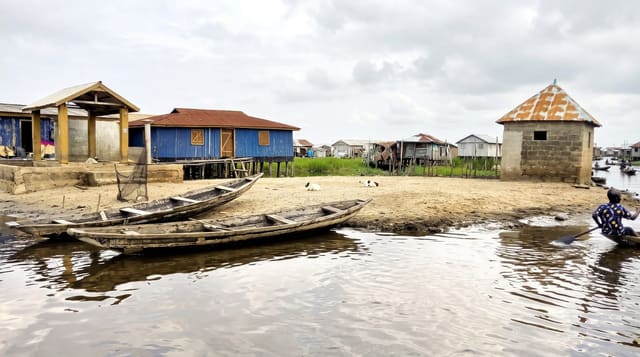
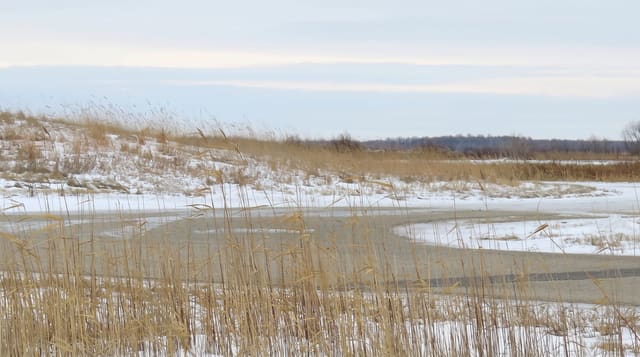
The Vallée du Sitatunga runs behind the lagoon outside Cotonou, a mosaic of swamp, forest and floodplain that a community organisation manages as a reserve, and it takes its name from the sitatunga, the swamp antelope whose splayed hooves let it move through flooded ground. Mona monkeys, crocodiles and a long bird list use the valley, and it is worked by boat and on foot from a base near Calavi. The reserve was set up by a local association rather than by the state, and the fees collected go directly into running it and into the villages around.
The landscape
- The sitatunga - the swamp antelope the valley is named for.
- The mona monkeys - the primates in the forest patches.
- The boat channels - the routes worked through the flooded ground.
- The community management - the local organisation running the reserve.
When to go
November to February is the cool dry season. Water levels are highest after the rains, from around August. Early morning is best for wildlife.
Good to know
Sitatunga sightings are uncommon and take patience. Facilities are basic and access needs arranging. Mosquitoes in the swamp are severe.
Nearby
Cotonou is southeast, and Ganvié is south on the lagoon.
Key facts
Source: Wikidata, item Q127327299, read on 18 October 2026.
What to pack for Sitatunga Valley
Chosen from what this place is for. Tap a kit for the full checklist.
- Broken-in walking shoes or boots - Grip and ankle support matter more than looks; never hike in brand-new boots. Find on Amazon
- Reef-safe sunscreen - High SPF that will not bleach the coral you are swimming over. Find on Amazon
- Binoculars - The single best wildlife tool - even a compact pair transforms a sighting. Find on Amazon
- Layers + a waterproof shell - Mountain weather turns fast; a packable rain jacket saves the day. Find on Amazon
Some links on this page are Amazon affiliate links - if you buy through them we may earn a small commission at no extra cost to you.
All packing kitsPlan your trip
Where to start if Sitatunga Valley is going on the list.
Booking links on this page are affiliate links - if you book through them we may earn a small commission at no extra cost to you. It never changes what we write about a place.
Opening times, ticket prices and seasonal closures change - check the official source before you go: official site.