Minsk
The grand capital - the spacious, monumental city of Minsk, rebuilt in sweeping Stalinist avenues in the mid-20th century, with its vast Independence Avenue, green parks along the river and a lively, orderly modern life.
Updated 31 October 2026
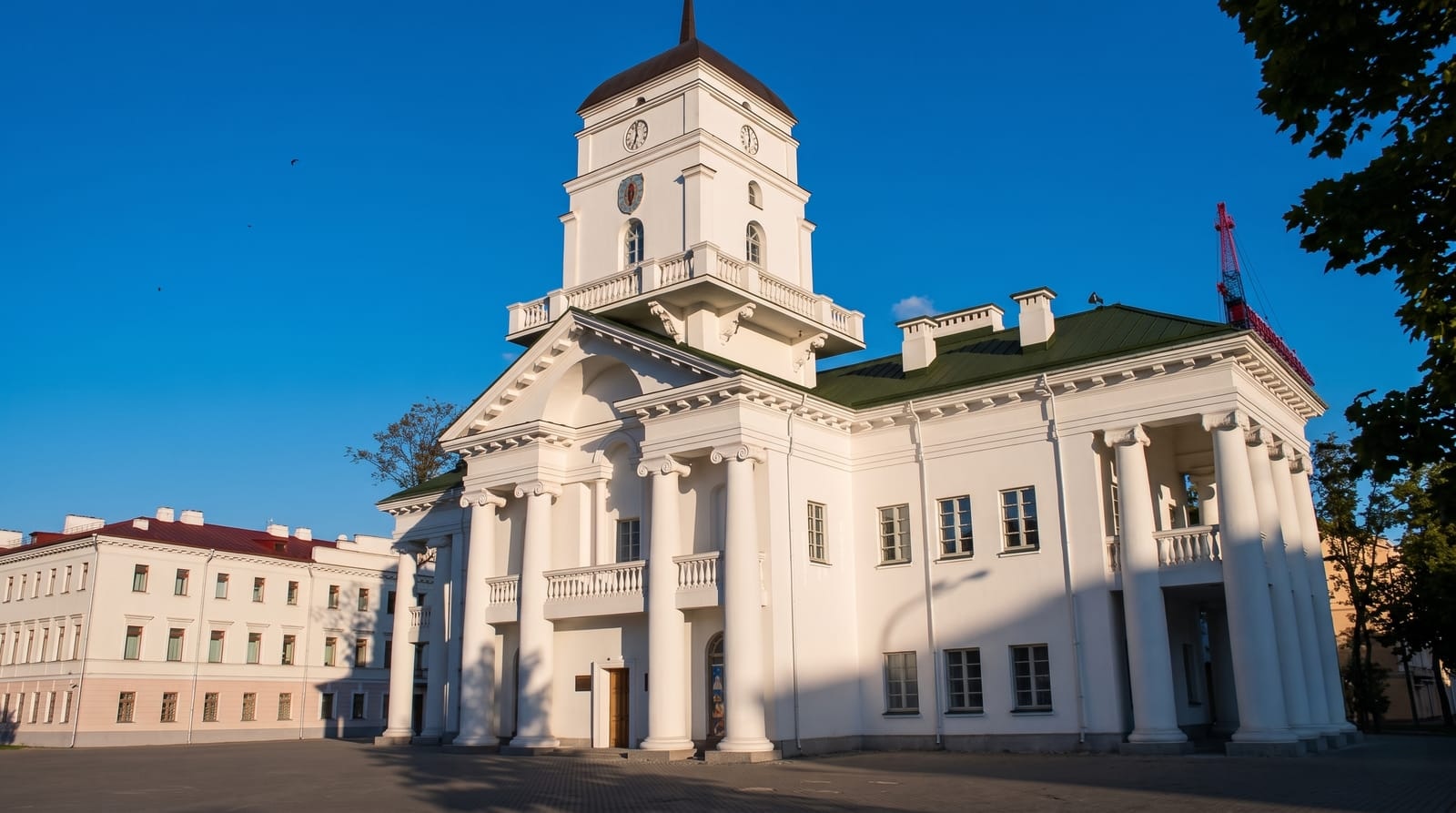
AI illustration
Minsk, the capital of Belarus, is a spacious, monumental city, largely rebuilt in the mid-20th century as a showcase of grand Stalinist architecture. Its vast central artery, Independence Avenue, sweeps for kilometres past imposing porticoed buildings, broad squares and fountains, while the historic Trinity Suburb by the river preserves a pocket of older, pastel charm. Green parks, wide boulevards, an efficient metro and a lively café and arts scene give the city an orderly, dignified character. Clean, calm and grand in scale, Minsk offers a fascinating window on a distinctive Eastern European capital.
History
The Svislach valley lay between the lands of the Krivichs and Dregovichs, and by 980 it belonged to the Principality of Polotsk; Minsk is first named in the Primary Chronicle for 1067, in connection with the battle on the river Nemiga, and the city takes 3 March 1067 as its founding date. In the 12th century it became the seat of its own principality, it escaped the Mongol invasion of 1237-1239, and in 1242 it joined the Grand Duchy of Lithuania peacefully; it received Magdeburg rights in 1499, became a voivodeship capital of the Polish-Lithuanian Commonwealth from 1569 and an important economic, cultural and Orthodox centre, was held by Russia from 1655 to 1660, and passed to the Russian Empire in 1793 (Wikipedia, Minsk).
Highlights
- Independence Avenue - the sweeping monumental central boulevard.
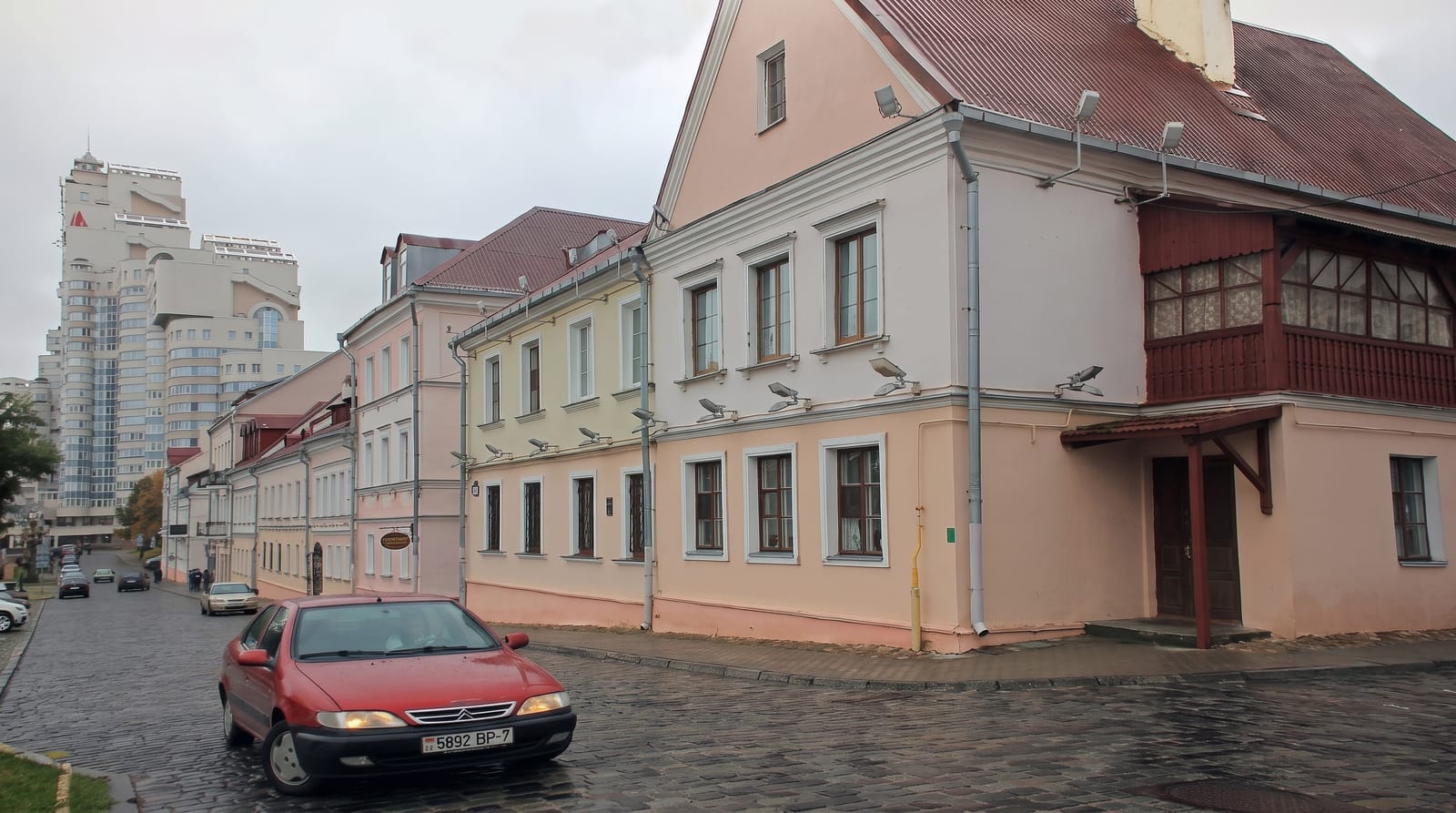
- The Trinity Suburb - the pastel riverside pocket of old charm.
- The grand squares - the imposing buildings, fountains and plazas.
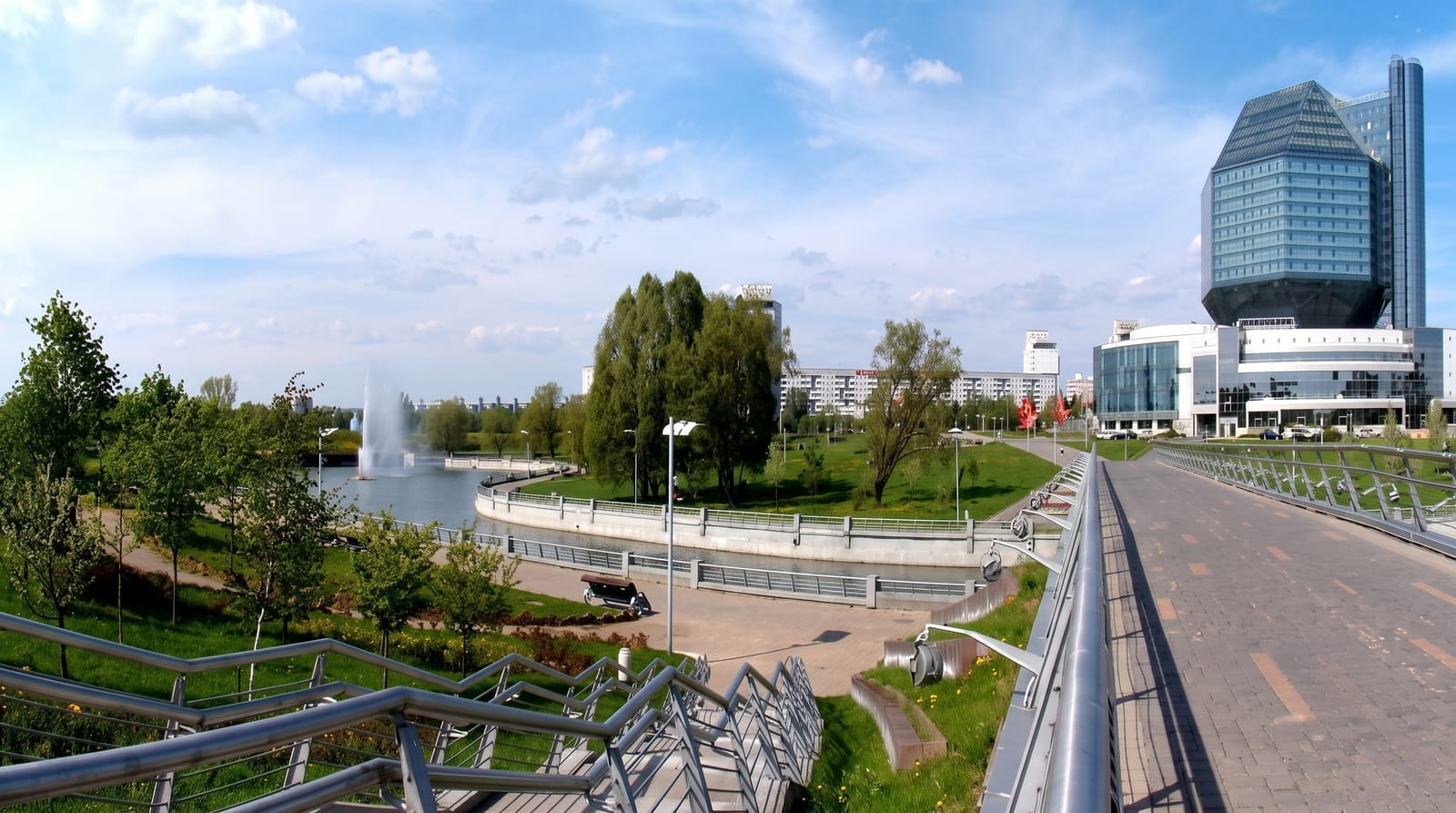
- The river parks - the green boulevards along the Svislach.
When to go
May to September brings warm weather and green parks, ideal for strolling the grand avenues and riverside; the city is also handsome under winter snow and festive lights, though bitterly cold. Late spring and early autumn are especially pleasant for exploring on foot.
What to expect
Minsk's grand, monumental scale can feel austere and its centre is dominated by mid-twentieth-century architecture rather than an old historic core.
Nearby
The memorial sites and museums around the city, and Mir and Nesvizh, lie within reach.
Key facts
Source: Wikidata, item Q2280, read on 18 October 2026.
Opening times, ticket prices and seasonal closures change - check the official source before you go: official site.
Plan your trip
Where to start if Minsk is going on the list.
Booking links on this page are affiliate links - if you book through them we may earn a small commission at no extra cost to you. It never changes what we write about a place.
What to pack for Minsk
Chosen from what this place is for. Tap a kit for the full checklist.
- Warm base layers - Merino or synthetic against the skin - never cotton, which chills when damp. Find on Amazon
- Comfortable walking shoes - Sightseeing means kilometres of pavement and cobbles daily. Find on Amazon
- An insulated + windproof jacket - A down or synthetic layer under a hard shell handles most cold. Find on Amazon
- A slim anti-theft daypack - Zips that close properly; keep it in front in crowds and on transit. Find on Amazon
Some links on this page are Amazon affiliate links - if you buy through them we may earn a small commission at no extra cost to you.
All packing kits