Wilder Kaiser
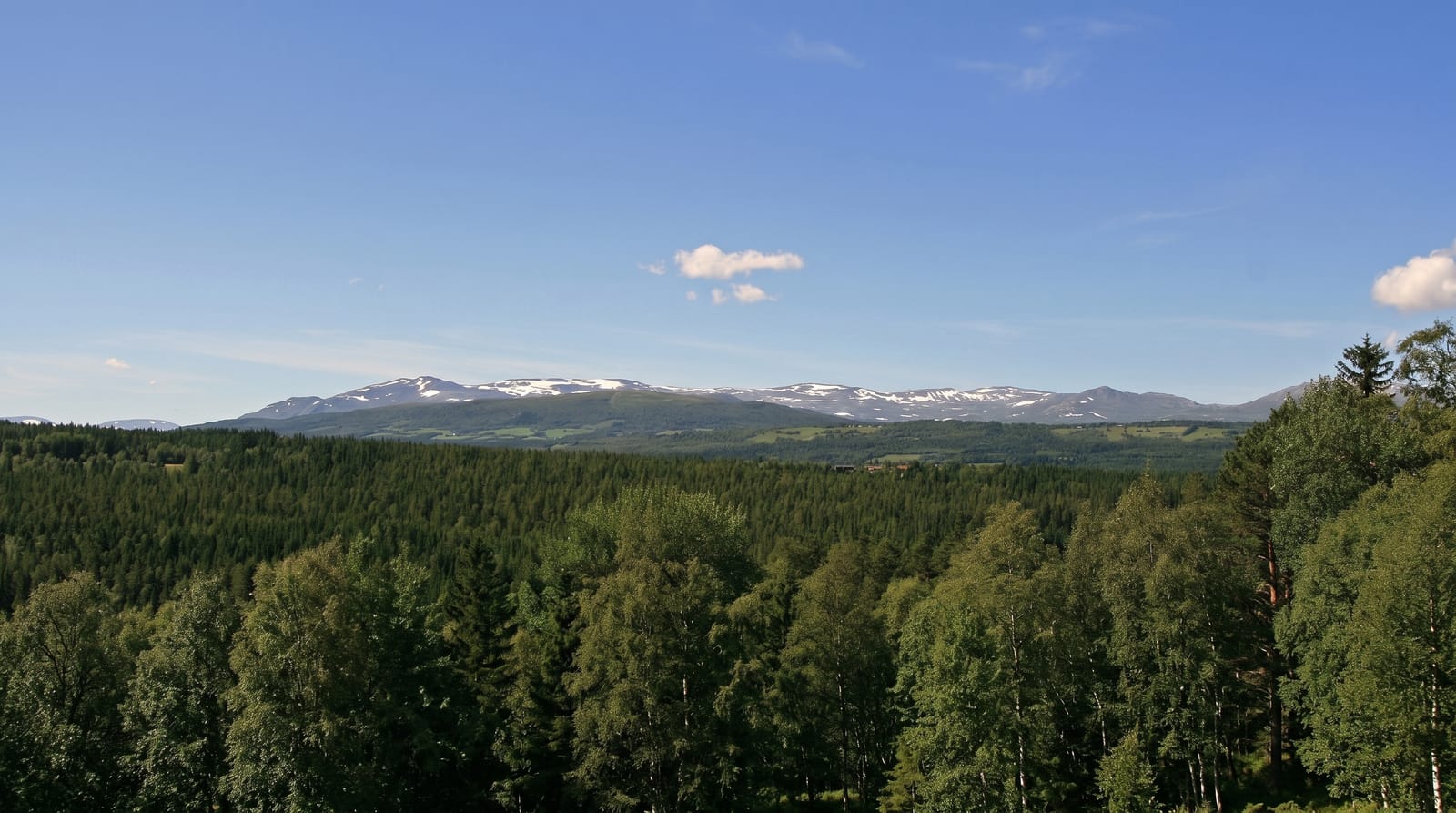
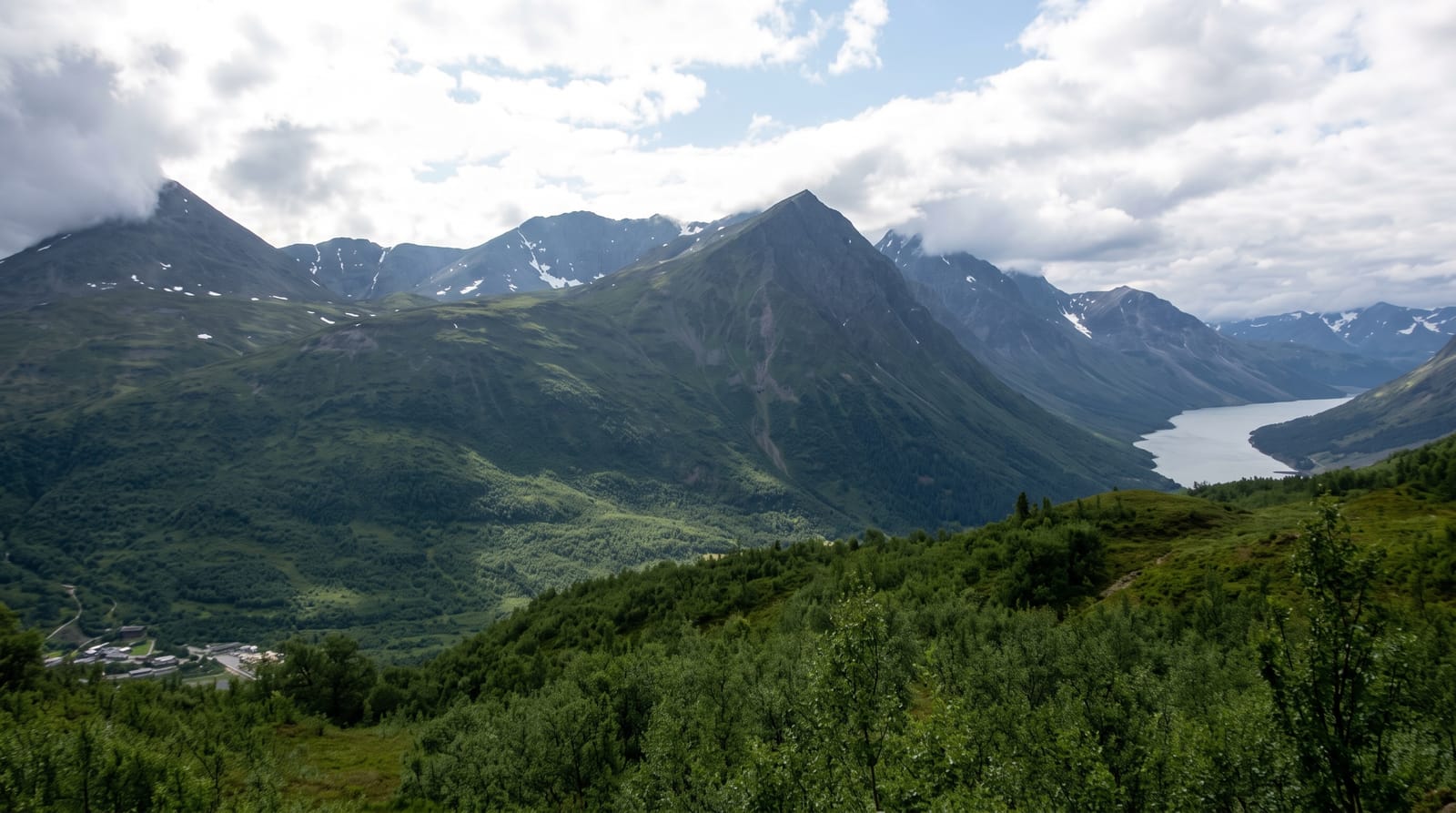
A wall of bare limestone towers above the Tyrolean lowlands, where much of modern rock climbing was worked out.
Updated 18 October 2026
The Wilder Kaiser is a short range - about twenty kilometres - of vertical limestone rising out of green pasture between Kufstein and St Johann, and its walls are among the most historically important in the sport: from the 1900s climbers including Hans Dülfer and Paul Preuss worked out techniques and grades here that shaped free climbing across Europe, and the Fleischbank and Predigtstuhl east faces remain reference routes. The rock is compact and steep and the range holds almost no permanent snow, which makes the contrast with the meadows below abrupt. Walking below the walls is straightforward on a good hut network - the Gruttenhütte, Gaudeamushütte and Stripsenjochhaus - and the Ellmauer Tor pass crosses between the north and south sides.
History
Finds of Stone Age hunters in the Tischofer Cave, 4,000 to 5,000 years old, are the earliest dated traces of people here, and Bronze Age settlers used the cave too. The name Kaiser appears by 1240 in a Kitzbühel register of goods, a farm in the Kaisertal is sold in 1430, and in 1611 a note on Matthias Burgklehner's maps compares the range to an imperial crown for its many peaks. Tourism began in the second half of the 19th century, when most first ascents were recorded, though herders and poachers had likely climbed many peaks before, and from then until the First World War the Wilder Kaiser was the cradle of Munich climbing, where Hans Dülfer and others worked out new techniques (Wikipedia, Kaiser Mountains).
Highlights
- A wall of bare limestone - twenty kilometres of towers over green pasture.
- Historic climbing faces - the Fleischbank and Predigtstuhl east walls.
- A hut network - Gruttenhütte, Gaudeamushütte and Stripsenjochhaus below the walls.
- The Ellmauer Tor - the pass crossing between the two sides of the range.
When to go
June to September for walking; the rock needs settled weather. Two days.
Before you go
Approaches from the valley are long and steep, and lifts shorten only part of it. Thunderstorms build fast on the walls in summer afternoons. Huts must be booked in season.
Nearby
Kufstein is west; St Johann and Kitzbühel are south-east.
Key facts
Source: Wikidata, item Q697614, read on 18 October 2026.
What to pack for Wilder Kaiser
Chosen from what this place is for. Tap a kit for the full checklist.
- Broken-in walking shoes or boots - Grip and ankle support matter more than looks; never hike in brand-new boots. Find on Amazon
- Head torch + spare batteries - Hands-free light is essential; caves are truly dark. Find on Amazon
- Warm base layers - Merino or synthetic against the skin - never cotton, which chills when damp. Find on Amazon
- Shelter suited to the place - Tent, tarp or hut booking - match it to the terrain and rules. Find on Amazon
Some links on this page are Amazon affiliate links - if you buy through them we may earn a small commission at no extra cost to you.
All packing kitsPlan your trip
Where to start if Wilder Kaiser is going on the list.
Booking links on this page are affiliate links - if you book through them we may earn a small commission at no extra cost to you. It never changes what we write about a place.
Opening times, ticket prices and seasonal closures change - check the official source before you go: official site.