The Vienna Woods
Beech and oak hills along the western edge of Vienna, laced with marked trails, a walled game reserve and terraces over the city.
Updated 18 October 2026

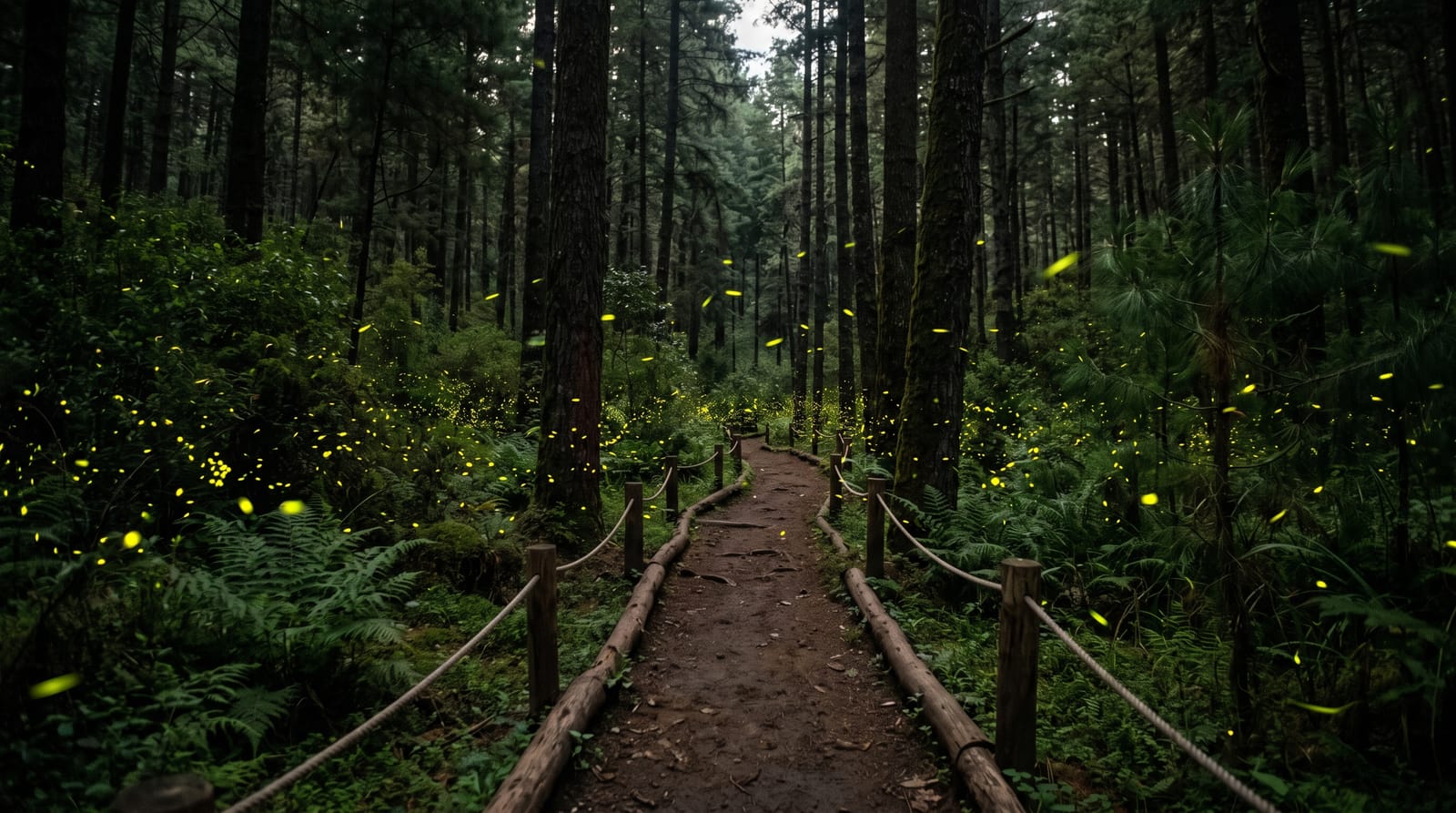
AI illustration
The Wienerwald is the wooded end of the Alps, beech and oak hills that press against the western edge of Vienna and run on south into Lower Austria. Marked trails start at tram and bus terminals, so walking here needs no car: the city hiking routes climb through forest to open terraces at Kahlenberg and Leopoldsberg, where the Danube and the whole city lie below. Inside the city boundary the Lainzer Tiergarten is a walled former hunting ground where wild boar and deer move freely among old oaks. On the lower slopes the forest gives way to vineyards and the wine villages that work them, which is where most walks end.
History
The woods were a royal hunting ground from the 11th century until 1850; after the migrations a Slavic population settled here under Avar rule, which may explain village names such as Döbling, Liesing and Gablitz, forestry was practised from the 16th century, and industry from about 1840 brought more settlement. In September 1683 the Polish troops of King Jan III Sobieski marched through the northern woods from Tulln to relieve Vienna, in 1870 a plan to clear most of the forest met wide public resistance, led above all by Josef Schöffel, and in 1987 the governors of Vienna, Lower Austria and Burgenland signed the Vienna Woods Declaration to protect it (Wikipedia, Vienna Woods).
The landscape
- Kahlenberg and Leopoldsberg - two hilltop terraces on the northern edge with the city, the Danube and the plain laid out below.
- Lainzer Tiergarten - a walled reserve inside Vienna with free-roaming wild boar and deer, gate hours and a seasonal closure.
- The city hiking trails - numbered marked routes starting at public transport stops and looping back to them.
- The vineyard fringe - terraced vines on the lower slopes above the wine villages, walkable on marked paths.
When to go
April and May for beech leaf and wild garlic on the forest floor, October for colour and for the new wine season in the villages. Summer is green but hazy and the viewpoints get busy with coaches. Winter walking is fine on the main routes, though Lainzer Tiergarten shuts for months and paths turn to mud after rain.
Practical notes
The famous viewpoints are served by roads and coach parks, so they are busy and the terraces are commercial. The forest itself is pleasant rather than dramatic, with no summits and no big views once you are inside it. Signposting varies between routes. Paths hold mud for days after rain, and the reserve gates close earlier than people expect.
Nearby
Vienna is directly below the slopes, with Baden and the southern Wienerwald valleys further along the range.
Key facts
Source: Wikidata, item Q251246, read on 18 October 2026.
What to pack for The Vienna Woods
Chosen from what this place is for. Tap a kit for the full checklist.
- Broken-in walking shoes or boots - Grip and ankle support matter more than looks; never hike in brand-new boots. Find on Amazon
- Layers + a waterproof shell - Mountain weather turns fast; a packable rain jacket saves the day. Find on Amazon
- Daypack with rain cover - 20-30 litres holds water, snacks, layers and a first-aid kit. Find on Amazon
- Offline maps + a power bank - Download the trail before you lose signal; carry backup charge. Find on Amazon
Some links on this page are Amazon affiliate links - if you buy through them we may earn a small commission at no extra cost to you.
All packing kitsPlan your trip
Where to start if The Vienna Woods is going on the list.
Booking links on this page are affiliate links - if you book through them we may earn a small commission at no extra cost to you. It never changes what we write about a place.
Opening times, ticket prices and seasonal closures change - check the official source before you go: official site.