Schwaz Silver Mine
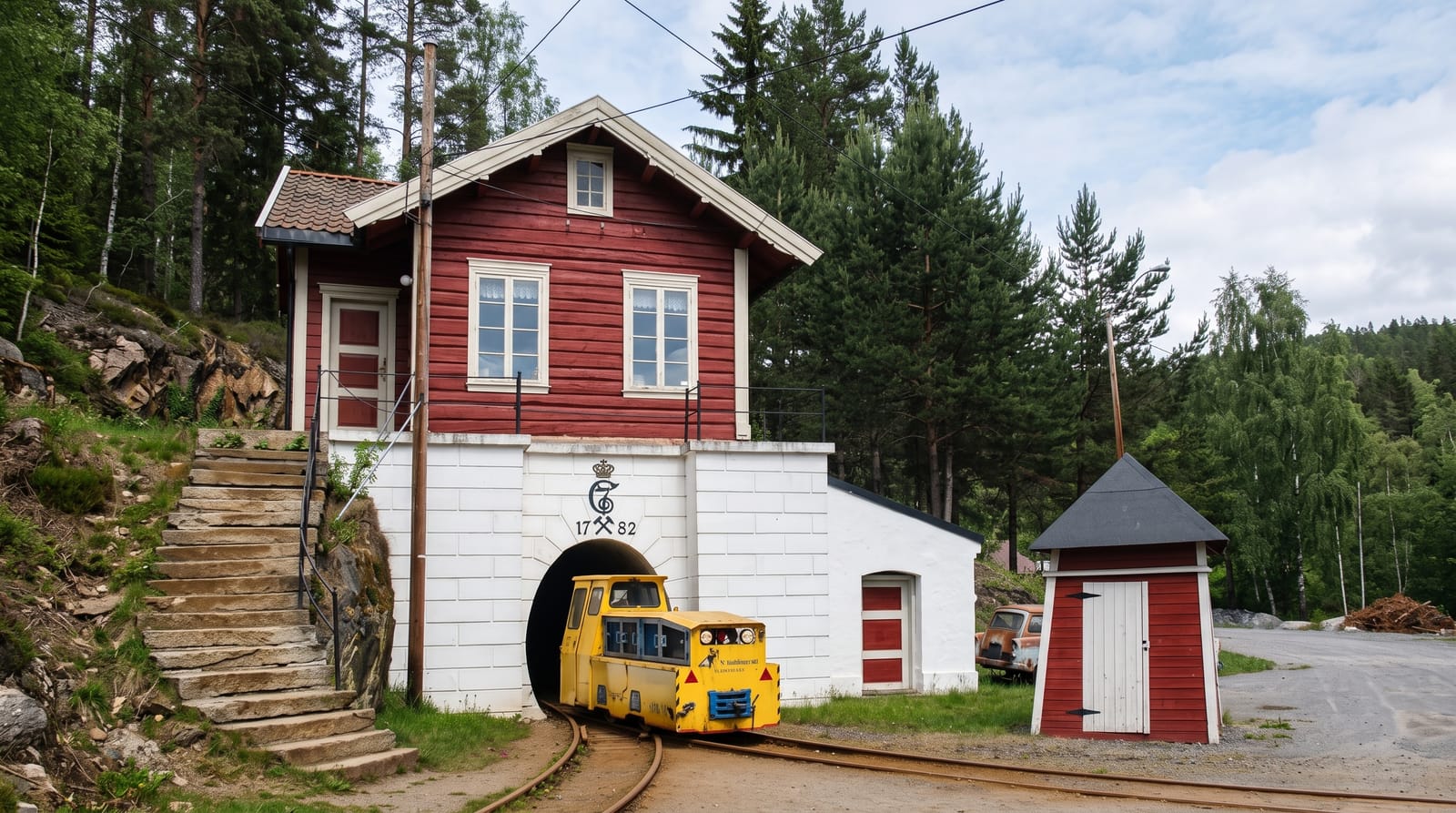
The mine that produced most of Europe's silver in the sixteenth century, entered by mine train through the hillside.
Updated 12 October 2026
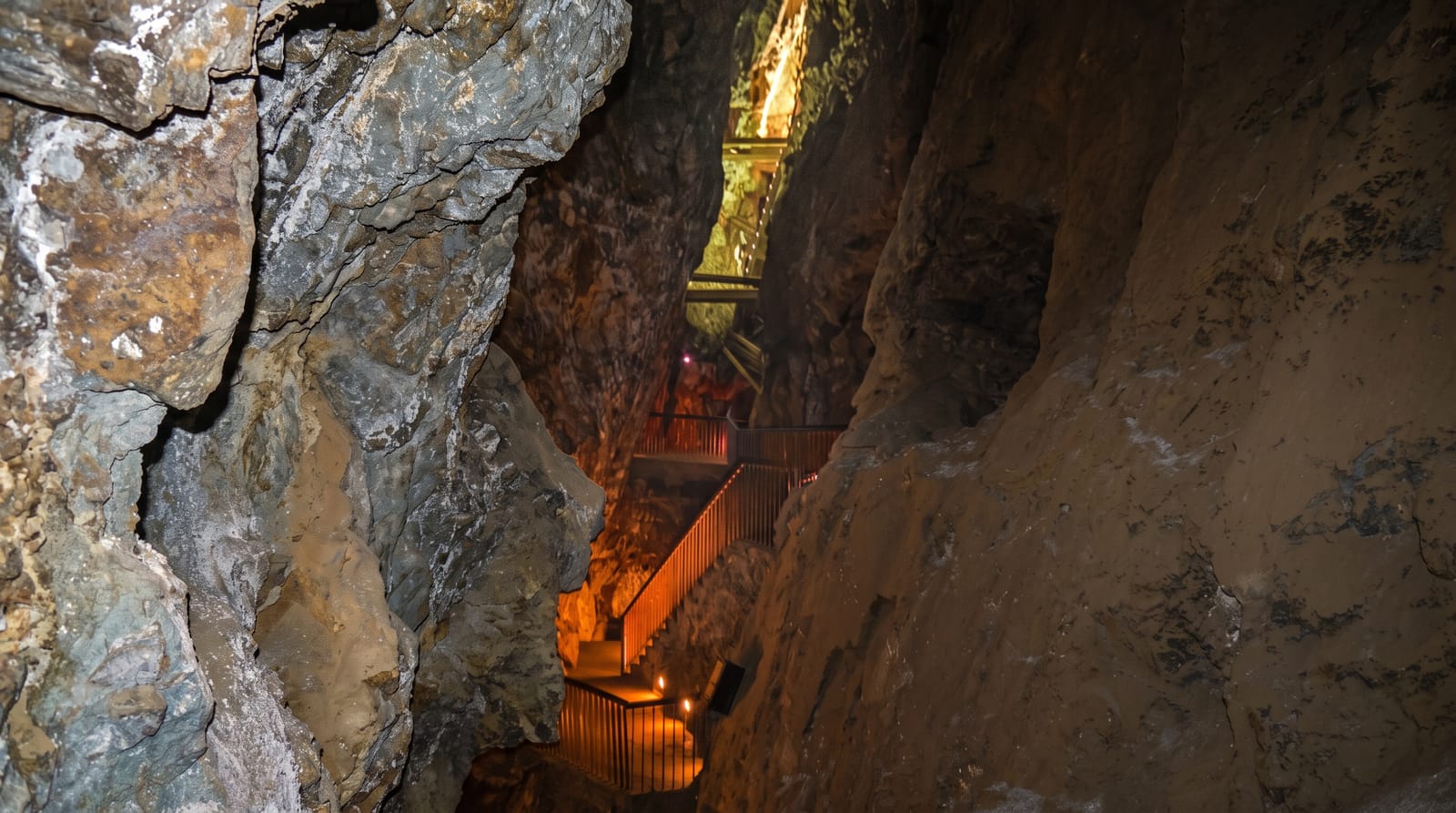
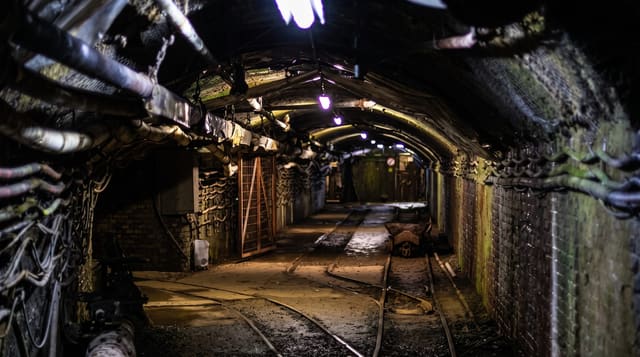
In the fifteenth and sixteenth centuries Schwaz was one of the largest mining operations in Europe and by some accounts produced the majority of the world's silver, which is why the town of eight thousand held some twenty thousand people at its peak and why the Fugger banking house was so heavily involved. The silver financed Habsburg politics and paid for imperial elections; copper came out of the same ground. The visit begins with a ride of about eight hundred metres into the hillside on the Sigmund-Erbstollen mine train, sitting astride a narrow bench in a low tunnel, and then a walk through galleries with the water wheels, ladders and hand-cut faces of the period, at a constant twelve degrees. The scale of the hand labour is the point.
The main sights
- A mine train into the hill - eight hundred metres in on a narrow bench.
- Hand-cut sixteenth-century galleries - the workings, ladders and water wheels.
- A silver operation of European scale - the ground that financed Habsburg politics.
- A constant twelve degrees - the temperature underground in any season.
When to go
All year; the mine holds a steady temperature. Half a day.
Things to know
Guided tours only, at set times, and it is cold and damp - overalls and helmets are provided. The train tunnel is low and enclosed; not for anyone claustrophobic.
Nearby
Tratzberg castle is close; Hall in Tirol and Innsbruck are west.
Key facts
Source: Wikidata, item Q1352976, read on 18 October 2026.
What to pack for Schwaz Silver Mine
Chosen from what this place is for. Tap a kit for the full checklist.
- Head torch + spare batteries - Hands-free light is essential; caves are truly dark. Find on Amazon
- Comfortable walking shoes - Sightseeing means kilometres of pavement and cobbles daily. Find on Amazon
- Grippy closed shoes - Cave floors are wet, muddy and slick with formations. Find on Amazon
- A slim anti-theft daypack - Zips that close properly; keep it in front in crowds and on transit. Find on Amazon
Some links on this page are Amazon affiliate links - if you buy through them we may earn a small commission at no extra cost to you.
All packing kitsPlan your trip
Where to start if Schwaz Silver Mine is going on the list.
Booking links on this page are affiliate links - if you book through them we may earn a small commission at no extra cost to you. It never changes what we write about a place.
Opening times, ticket prices and seasonal closures change - check the official source before you go: official site.