Schloss Hof
Prince Eugene's country estate on the March, with seven terraced baroque garden levels dropping to the floodplain.
Updated 29 August 2026
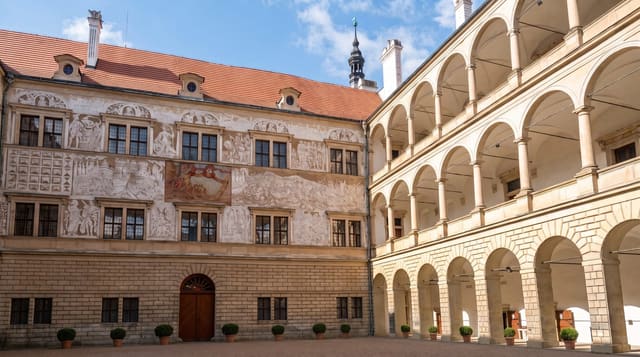
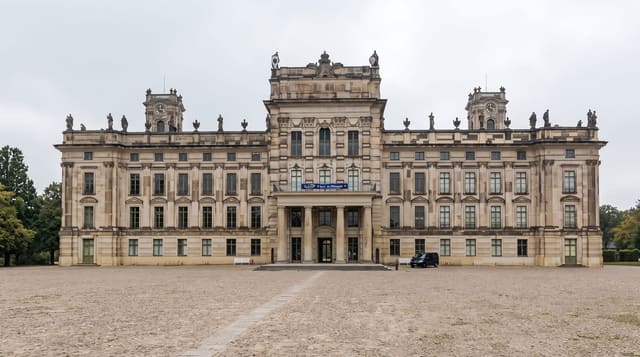
Prince Eugene of Savoy bought the estate in 1725 and had Johann Lucas von Hildebrandt turn it into a country seat - the same architect and patron as the Belvedere in Vienna, working here on a rural scale. Maria Theresa acquired it in 1755 and added a storey. The gardens are the reason to come: seven terraces stepping down from the house towards the March river and the Slovak border, with fountains, cascades, sculpture and clipped hedging, restored in the 2000s after long decline to something close to the eighteenth-century plan, which makes them among the best surviving baroque terrace gardens in central Europe. The farm buildings hold a working estate with rare breeds, horses and poultry, and seasonal markets and festivals run through the year.
What's there
- Seven baroque terraces - the garden stepping down towards the March river.
- Hildebrandt's country house - built for Prince Eugene, raised by Maria Theresa.
- A restored eighteenth-century layout - fountains, cascades and hedging brought back.
- A working estate farm - rare breed animals and horses in the outbuildings.
When to go
April to October; the gardens peak in early summer. A day.
What to expect
Closed or much reduced in winter. The site is large and the terraces are a long walk with steps. Very exposed in summer heat. Events crowd the grounds on some weekends.
Nearby
Schloss Niederweiden is next door; Marchegg and the stork colony are north.
Key facts
Source: Wikidata, item Q696851, read on 18 October 2026.
What to pack for Schloss Hof
Chosen from what this place is for. Tap a kit for the full checklist.
- Comfortable walking shoes - Sightseeing means kilometres of pavement and cobbles daily. Find on Amazon
- A slim anti-theft daypack - Zips that close properly; keep it in front in crowds and on transit. Find on Amazon
- A refillable water bottle - Many cities have public fountains; save money and plastic. Find on Amazon
- A light layer + compact umbrella - For museum air-con and a sudden shower. Find on Amazon
Some links on this page are Amazon affiliate links - if you buy through them we may earn a small commission at no extra cost to you.
All packing kitsPlan your trip
Where to start if Schloss Hof is going on the list.
Booking links on this page are affiliate links - if you book through them we may earn a small commission at no extra cost to you. It never changes what we write about a place.
Opening times, ticket prices and seasonal closures change - check the official source before you go: official site.