Kalkalpen National Park
The largest forest wilderness in Austria, in the Upper Austrian limestone Alps, with beech stands inscribed by UNESCO.
Updated 12 October 2026
UNESCO World Heritage
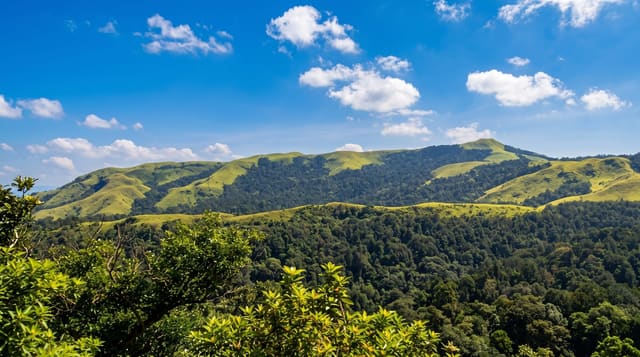
The Kalkalpen park was declared in 1997 over about two hundred and ten square kilometres of the Reichraminger Hintergebirge and the Sengsengebirge, and what it protects is chiefly forest - more than eighty per cent tree cover, the largest continuous forest area in Austria, with beech stands old enough that parts of it were added in 2017 to the UNESCO inscription covering ancient and primeval beech forests across Europe. Roads were pulled out of much of the interior after gazettement and the valleys left to revert. Lynx were reintroduced and are present in small numbers; the bird and beetle lists are long, with deadwood species that need forest left standing and falling on its own. Access is on foot or by bicycle along old forest roads, with the Hintergebirge valley the main route in.
What's there
- Austria's largest forest wilderness - over eighty per cent tree cover.
- Inscribed beech stands - part of the European primeval beech forest listing.
- Reverting valleys - roads removed and the interior left to itself.
- Deadwood species - the beetles, woodpeckers and fungi that need standing dead trees.
When to go
May to October. Two days.
Practical notes
There are few facilities inside and distances are long - the interior is a full day's walk or cycle. Lynx are present but essentially never seen. Ticks are a real issue in the forest.
Nearby
Windischgarsten and Molln are the entry towns; the Gesäuse park is south-east.
Key facts
Source: Wikidata, item Q686047, read on 18 October 2026.
What to pack for Kalkalpen National Park
Chosen from what this place is for. Tap a kit for the full checklist.
- Broken-in walking shoes or boots - Grip and ankle support matter more than looks; never hike in brand-new boots. Find on Amazon
- Padded shorts - The one thing that makes a full day in the saddle bearable. Find on Amazon
- Binoculars - The single best wildlife tool - even a compact pair transforms a sighting. Find on Amazon
- Layers + a waterproof shell - Mountain weather turns fast; a packable rain jacket saves the day. Find on Amazon
Some links on this page are Amazon affiliate links - if you buy through them we may earn a small commission at no extra cost to you.
All packing kitsPlan your trip
Where to start if Kalkalpen National Park is going on the list.
Booking links on this page are affiliate links - if you book through them we may earn a small commission at no extra cost to you. It never changes what we write about a place.
Opening times, ticket prices and seasonal closures change - check the official source before you go: official site.