Wollemi National Park
The largest wilderness in New South Wales, a maze of sandstone canyons where a tree thought extinct was found in 1994.
Updated 21 October 2026

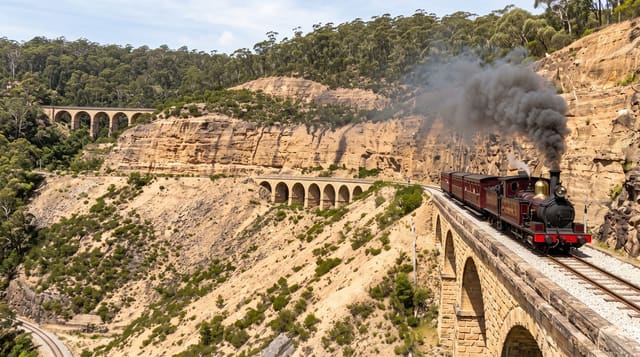
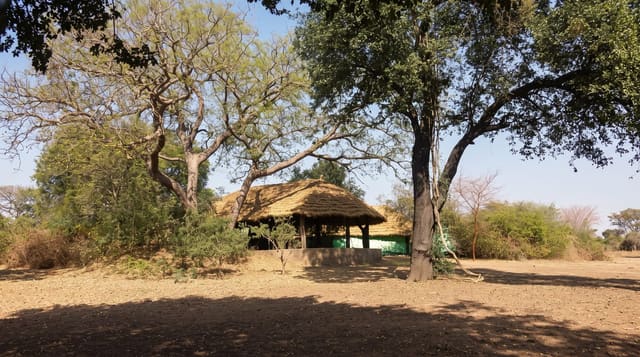
AI illustration
Wollemi covers around half a million hectares north of the Blue Mountains, part of the Greater Blue Mountains World Heritage Area, and most of it is trackless sandstone plateau cut by canyons that are difficult to enter and easy to get lost in. In 1994 a park officer abseiling into one of those canyons found a stand of unfamiliar conifers, later identified as Wollemia nobilis, a genus known only from fossils tens of millions of years old and thought long extinct. Fewer than a hundred mature trees exist in the wild and the location is kept secret and protected. For visitors, the park offers canyoning, the Glow Worm Tunnel near Newnes, remote camping and long walks in genuine wilderness.
History
Aboriginal peoples, mainly the Wiradjuri, Darkinjung, Dharug, Wonnarua and Yuin nations, have cared for this country for tens of thousands of years, leaving rock art, engravings, grinding grooves and stone tools, and the name is believed to come from a phrase meaning watch out, or look around you. Early European settlers largely avoided the steep, dense country in the 1800s, with timber getting, grazing and mining only on its edges, and the national park was established in 1979, and in 1994 a remote canyon revealed the Wollemi pine, a tree unknown to science (Wikipedia, Wollemi National Park).
What's there
- The Glow Worm Tunnel - a disused rail tunnel near Newnes lit by glow worms.
- The canyon country - slot canyons and sandstone plateau across the park.
- The Wollemi pine story - the living fossil found here, though not visitable.
- The Newnes ruins - remains of the shale oil works in the Wolgan Valley.
When to go
April to November for canyoning and walking; summer brings extreme fire danger and park closures. Canyons run cold and require wetsuits even in summer. Access roads are unsealed and become impassable after rain.
What to expect
The wild Wollemi pines cannot be visited; their location is protected and unauthorised approach risks introducing disease. Most of the park is wilderness requiring navigation skills. Phone coverage is absent almost everywhere.
Nearby
Lithgow and the Blue Mountains lie south; Rylstone and Mudgee are north.
Key facts
Source: Wikidata, item Q1811861, read on 18 October 2026.
What to pack for Wollemi National Park
Chosen from what this place is for. Tap a kit for the full checklist.
- Broken-in walking shoes or boots - Grip and ankle support matter more than looks; never hike in brand-new boots. Find on Amazon
- Binoculars - The single best wildlife tool - even a compact pair transforms a sighting. Find on Amazon
- Shelter suited to the place - Tent, tarp or hut booking - match it to the terrain and rules. Find on Amazon
- Layers + a waterproof shell - Mountain weather turns fast; a packable rain jacket saves the day. Find on Amazon
Some links on this page are Amazon affiliate links - if you buy through them we may earn a small commission at no extra cost to you.
All packing kitsPlan your trip
Where to start if Wollemi National Park is going on the list.
Booking links on this page are affiliate links - if you book through them we may earn a small commission at no extra cost to you. It never changes what we write about a place.
Opening times, ticket prices and seasonal closures change - check the official source before you go: official site.