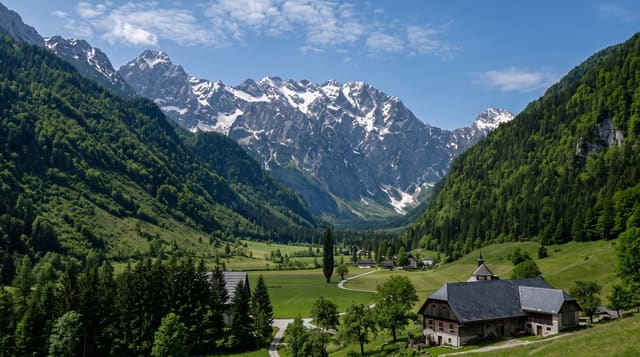
Uluru
The sacred red heart of Australia - a colossal sandstone monolith rising alone from the desert, glowing crimson at sunrise and sunset, deeply sacred to its Aboriginal custodians, a UNESCO site.
Updated 18 October 2026

AI illustration
UNESCO World Heritage
Uluru, once known as Ayers Rock, is the sacred red heart of Australia, a colossal sandstone monolith rising 348 metres alone from the flat desert of the Red Centre. Deeply sacred to its Aboriginal custodians, the Anangu people, it is famous for the way it glows in shifting shades of ochre, crimson and purple at sunrise and sunset. A UNESCO site of natural and cultural significance, it is one of Australia's most spiritual places.
History
Archaeological finds to the east and west show people living in the area more than 10,000 years ago. The explorer Ernest Giles sighted Kata Tjuta in 1872 and named it Mount Olga, and on 19 July 1873 William Gosse named the rock Ayers Rock, after the Chief Secretary of South Australia. In 1958 the area of the future Uluṟu-Kata Tjuṯa National Park was cut out of the Petermann Reserve, and on 26 October 1985 the Australian government returned ownership to the Aṉangu, who leased it back to the national parks agency for 99 years. The rock was renamed "Ayers Rock / Uluru" on 15 December 1993, the order was reversed on 6 November 2002, and climbing was banned from 26 October 2019, when the guide chains were removed; UNESCO first listed the park in 1987 (Wikipedia, Uluru).
What's there
- The rock at sunrise and sunset - the monolith glowing crimson and purple.
- The base walk - the trail around the rock past sacred sites and waterholes.
- The Aboriginal culture - the art, stories and custodianship of the Anangu.
- Kata Tjuta - the domes of the Olgas nearby.
When to go
May to September, the cooler months, as the desert summer is dangerously hot; sunrise and sunset are the magical hours when the rock glows. The Field of Light art installation and cultural tours add to the experience.
Practical notes
Out of respect for the Anangu, climbing Uluru has been permanently banned since 2019, and certain sacred areas may not be photographed, which is clearly signed. It is very remote, reached by a flight or a long drive, and desert heat can be extreme. Flies can be a real nuisance, so a head net helps.
Nearby
Kata Tjuta (the Olgas) is nearby; Kings Canyon and Alice Springs are within the Red Centre.
Key facts
Source: Wikidata, item Q33910, read on 18 October 2026.
What to pack for Uluru
Chosen from what this place is for. Tap a kit for the full checklist.
- Broken-in walking shoes or boots - Grip and ankle support matter more than looks; never hike in brand-new boots. Find on Amazon
- Spare batteries + cards - Cold and long shoots drain power; never run out at the good light. Find on Amazon
- Loose, light, long clothing - Covering up beats bare skin in the desert - and locals dress this way for a reason. Find on Amazon
- Modest clothing - Shoulders and knees covered - the single most common requirement. Find on Amazon
Some links on this page are Amazon affiliate links - if you buy through them we may earn a small commission at no extra cost to you.
All packing kitsPlan your trip
Where to start if Uluru is going on the list.
Booking links on this page are affiliate links - if you book through them we may earn a small commission at no extra cost to you. It never changes what we write about a place.
Opening times, ticket prices and seasonal closures change - check the official source before you go: official site.