Oatlands
A midlands town with the largest collection of Georgian sandstone buildings in Australia and a working windmill.
Updated 4 September 2026
AI illustration
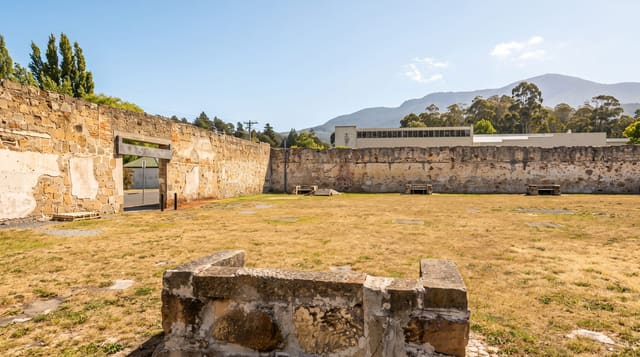
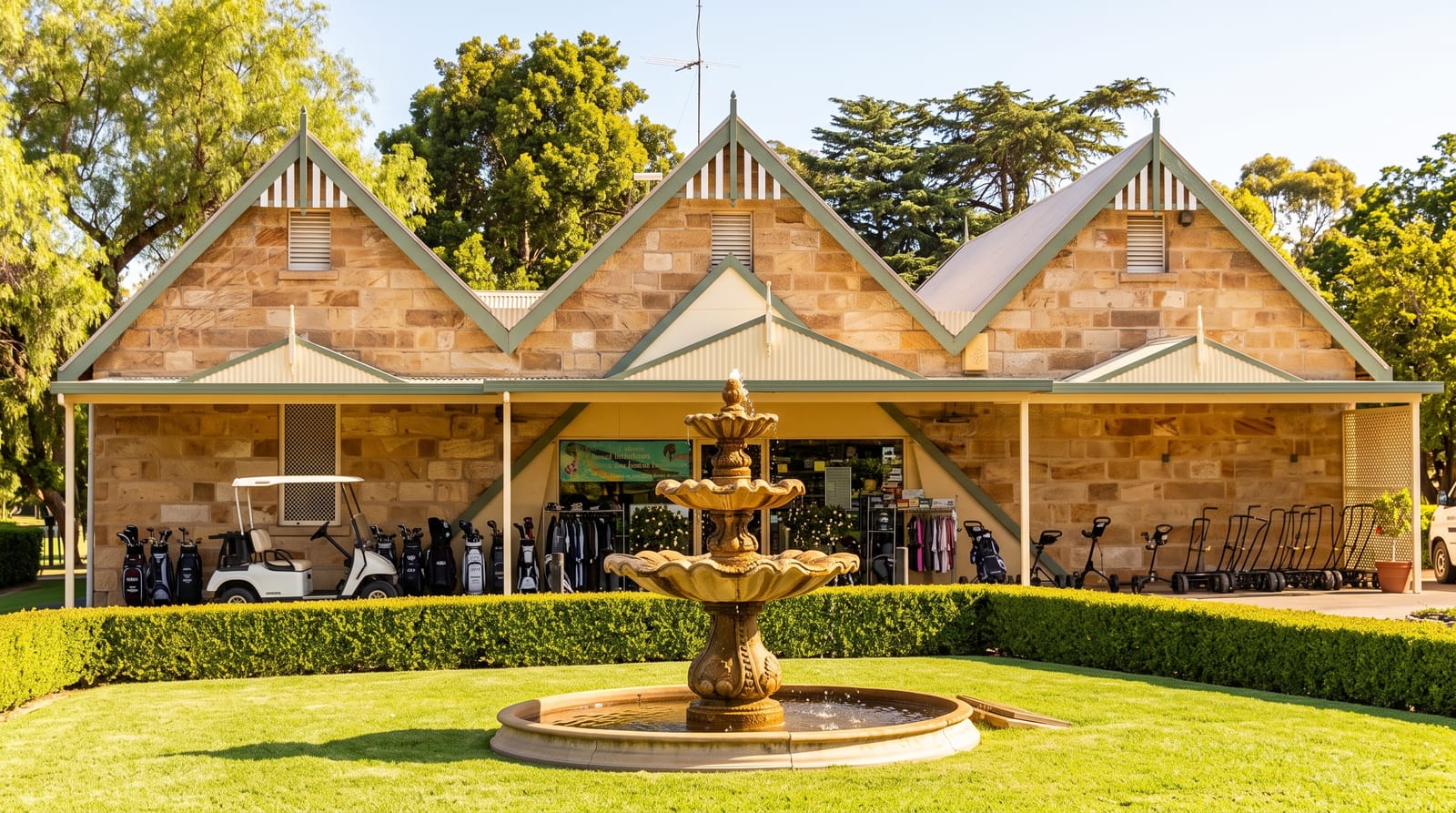
Oatlands was laid out in the 1820s as a garrison town on the Hobart to Launceston road, and the sandstone quarried nearby built it: some hundred and fifty Georgian-era buildings survive in the town, described as the largest concentration of Georgian architecture in Australia, including eighty-seven in the main street alone. The Callington Mill, a Lincolnshire-style tower windmill built in 1837, fell into ruin and was restored to full working order in 2010, grinding flour again with sails turning, one of very few operating tower mills in the southern hemisphere. Lake Dulverton beside the town has walking tracks and birdlife, and a whisky distillery now operates in the mill precinct.
What to look for
- Callington Mill - the restored 1837 tower windmill, grinding flour again.
- The Georgian streetscape - the largest collection of Georgian buildings in Australia.
- The supreme court and gaol - surviving public buildings from the garrison era.
- Lake Dulverton - the lakeside walk and birdlife beside the town.
When to go
October to April for mild weather; the midlands are cold and frosty in winter. The mill operates on set days, weather and wind permitting, and grinding is not guaranteed on any given visit.
Before you go
The mill turns only in suitable wind and its operation varies. Many of the Georgian buildings are private homes seen only from the street. The town is quiet, with limited food options, and much closes early.
Nearby
Ross lies north; Hobart is an hour south.
What to pack for Oatlands
Chosen from what this place is for. Tap a kit for the full checklist.
- Binoculars - The single best wildlife tool - even a compact pair transforms a sighting. Find on Amazon
- Comfortable walking shoes - Sightseeing means kilometres of pavement and cobbles daily. Find on Amazon
- A zoom camera or long lens - Animals rarely come close; reach beats megapixels. Find on Amazon
- A slim anti-theft daypack - Zips that close properly; keep it in front in crowds and on transit. Find on Amazon
Some links on this page are Amazon affiliate links - if you buy through them we may earn a small commission at no extra cost to you.
All packing kitsPlan your trip
Where to start if Oatlands is going on the list.
Booking links on this page are affiliate links - if you book through them we may earn a small commission at no extra cost to you. It never changes what we write about a place.
Opening times, ticket prices and seasonal closures change - check the official source before you go: official site.