Carahunge
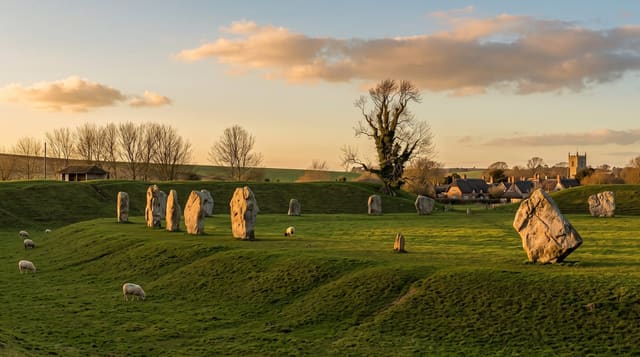
A field of standing stones near Sisian, some bored through with holes, claimed by some as an ancient observatory.
Updated 1 September 2026
Zorats Karer, marketed as Carahunge, is a scatter of some two hundred basalt stones on a plateau near Sisian, around eighty of which have smooth holes bored near the top. Burial cists and a mound sit among them. The site is genuinely old, from the Bronze Age onwards, but the claim that the holes were sighting devices for an observatory older than Stonehenge comes from one Armenian researcher and has not been accepted by archaeoastronomers who have examined it. The stones are worth seeing on their own terms.
What to look for
- The standing stones - around two hundred basalt uprights across an open plateau.
- The bored holes - smooth perforations near the top of about eighty of them.
- The burial cists - stone graves and a mound within the arrangement.
- The plateau - open high grassland with mountains around.
When to go
May to October is the season; the plateau is exposed and snow-covered in winter. Early morning and late afternoon give the best light and the longest shadows. Wind is constant up here.
Before you go
The observatory claim is contested and the mainstream archaeological view is that the holes' purpose is unknown; guides often present the astronomy as settled. There is no shade and no facilities. The name Carahunge was coined recently as a marketing echo of Stonehenge.
Nearby
Sisian is three kilometres south, and Ughtasar is high in the mountains above.
Key facts
Source: Wikidata, item Q2479712, read on 18 October 2026.
What to pack for Carahunge
Chosen from what this place is for. Tap a kit for the full checklist.
- Spare batteries + cards - Cold and long shoots drain power; never run out at the good light. Find on Amazon
- Warm base layers - Merino or synthetic against the skin - never cotton, which chills when damp. Find on Amazon
- Comfortable walking shoes - Sightseeing means kilometres of pavement and cobbles daily. Find on Amazon
- A compact tripod - Essential for night skies, aurora, waterfalls and low light. Find on Amazon
Some links on this page are Amazon affiliate links - if you buy through them we may earn a small commission at no extra cost to you.
All packing kitsPlan your trip
Where to start if Carahunge is going on the list.
Booking links on this page are affiliate links - if you book through them we may earn a small commission at no extra cost to you. It never changes what we write about a place.
Opening times, ticket prices and seasonal closures change - check the official source before you go: official site.