Recoleta Cemetery
A walled city of marble mausoleums in central Buenos Aires, where narrow avenues of tombs hold the country's grandest families.
Updated 18 October 2026
AI illustration
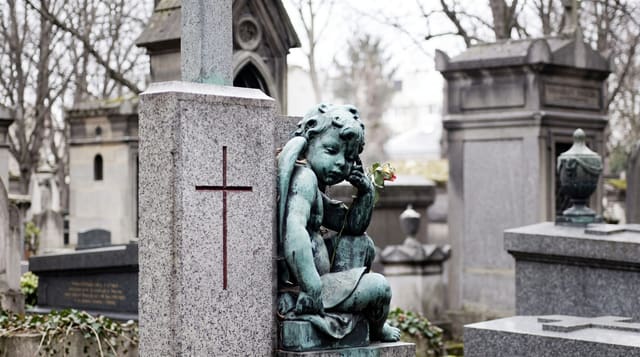
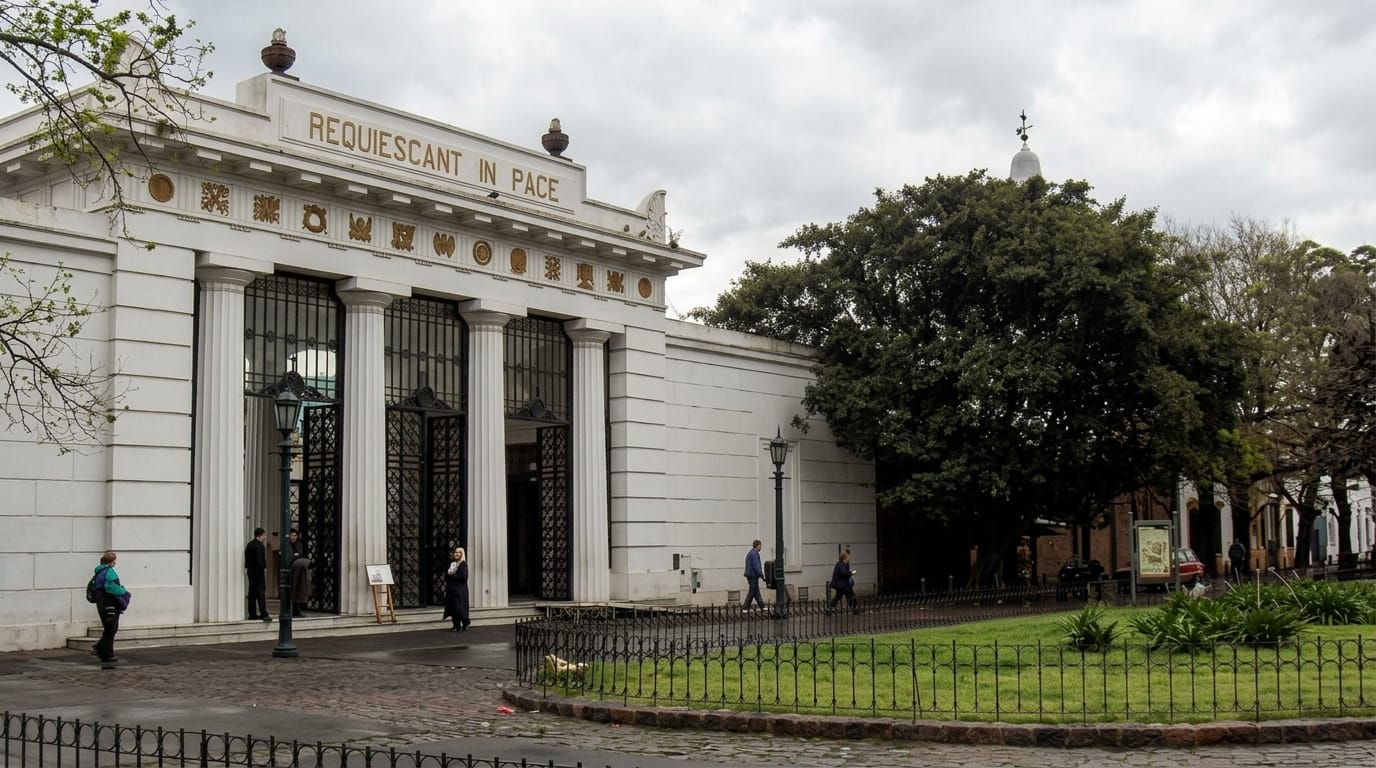
The Recoleta cemetery occupies a city block behind a neoclassical gate, and inside it is laid out like a miniature town: paved avenues, corners and plazas lined with more than four thousand mausoleums in marble, granite and bronze, built in every style Argentine wealth admired between the 1880s and the mid-twentieth century, from Greek temples and Gothic chapels to art nouveau and art deco vaults. Many hold the families who shaped the country, and the most visited is the modest Duarte family vault where Eva Perón is buried, usually marked by flowers. Cats doze on the steps, some tombs are immaculate and others have collapsed inward, and the contrast between grandeur and decay is much of the appeal.
History
Recollect friars of the Franciscan order came to this area, then on the edge of Buenos Aires, early in the 18th century, and the cemetery grew around their convent and the church of Nuestra Señora del Pilar, built in 1732. The order was dissolved in 1822 and its garden turned into the first public cemetery of the city, opened on 17 November that year as the Cementerio del Norte under Governor Martín Rodríguez, later buried here, and his minister Bernardino Rivadavia, to a layout by the French engineer Próspero Catelin, who also designed the present facade of the cathedral. It was last remodelled in 1881, under the mayor Torcuato de Alvear, by the Italian architect Juan Antonio Buschiazzo (Wikipedia, La Recoleta Cemetery).
What to look for
- The mausoleum avenues - streets of marble and granite tombs in many styles.
- The Duarte vault - Eva Perón's family tomb, the most visited spot.
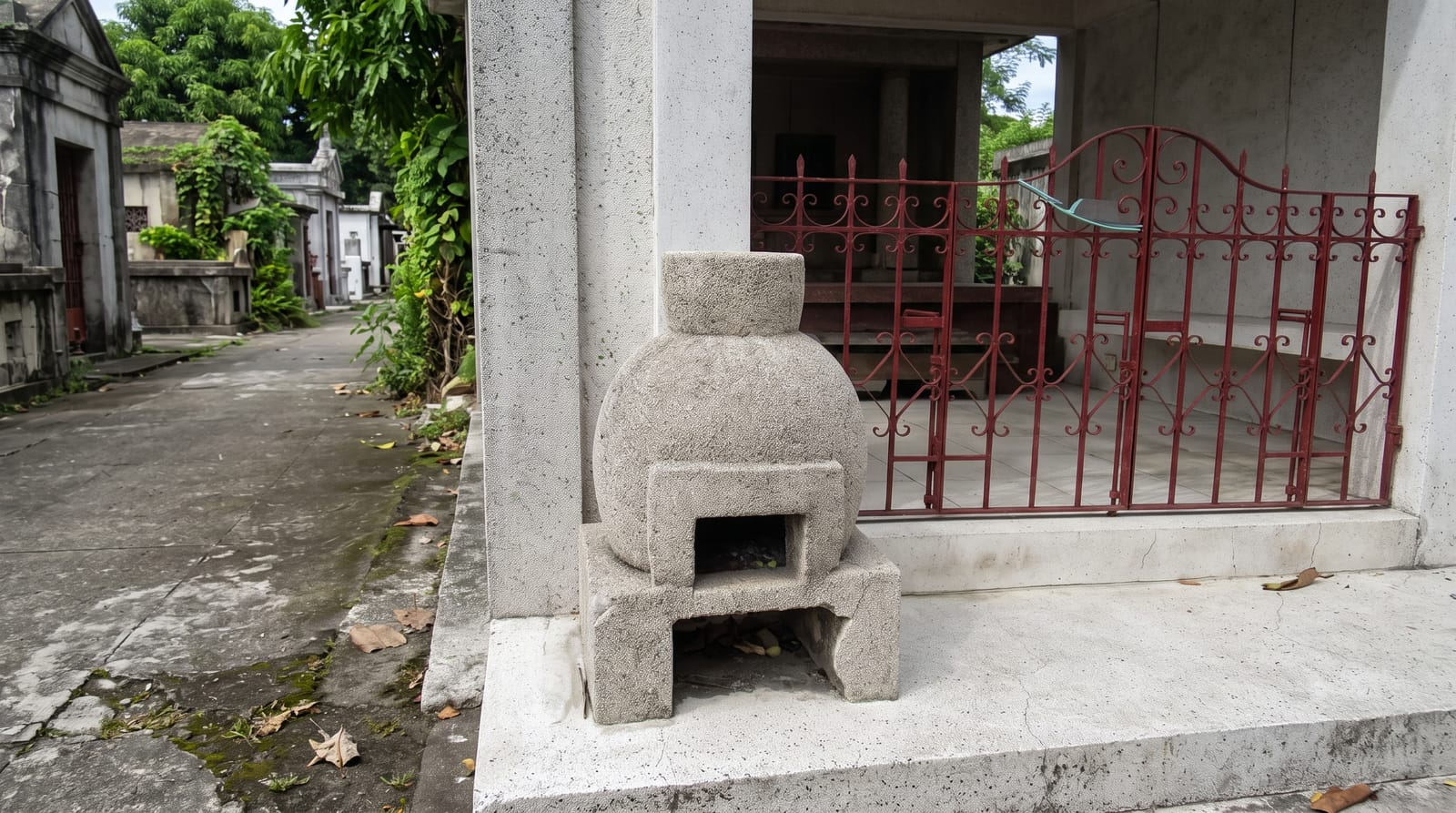
- The decayed tombs - collapsed and abandoned vaults among the maintained ones.
- The gate and chapel - the neoclassical entrance and the adjoining church.
When to go
Year-round; mornings are cooler and quieter, and the light between the tombs is best early. Summer midday is hot with little shade. Free guided walks run at set times in Spanish and English.
Things to know
The cemetery now charges foreign visitors a fee that some find steep. It is busy with tour groups around the Perón tomb. Navigation is confusing despite the grid, and finding specific tombs without a map takes time.
Nearby
The Recoleta cultural centre and Floralis Genérica sculpture are next door; Palermo lies northwest.
Key facts
Source: Wikidata, item Q831322, read on 18 October 2026.
What to pack for Recoleta Cemetery
Chosen from what this place is for. Tap a kit for the full checklist.
- Comfortable walking shoes - Sightseeing means kilometres of pavement and cobbles daily. Find on Amazon
- Modest clothing - Shoulders and knees covered - the single most common requirement. Find on Amazon
- A slim anti-theft daypack - Zips that close properly; keep it in front in crowds and on transit. Find on Amazon
- A scarf or shawl - To cover the head or shoulders on entry; women especially at mosques. Find on Amazon
Some links on this page are Amazon affiliate links - if you buy through them we may earn a small commission at no extra cost to you.
All packing kitsPlan your trip
Where to start if Recoleta Cemetery is going on the list.
Booking links on this page are affiliate links - if you book through them we may earn a small commission at no extra cost to you. It never changes what we write about a place.
Opening times, ticket prices and seasonal closures change - check the official source before you go: official site.