Los Alerces National Park
A UNESCO-listed park of chained lakes and old-growth forest, holding alerce trees more than two thousand years old.
Updated 18 October 2026
AI illustration
UNESCO World Heritage
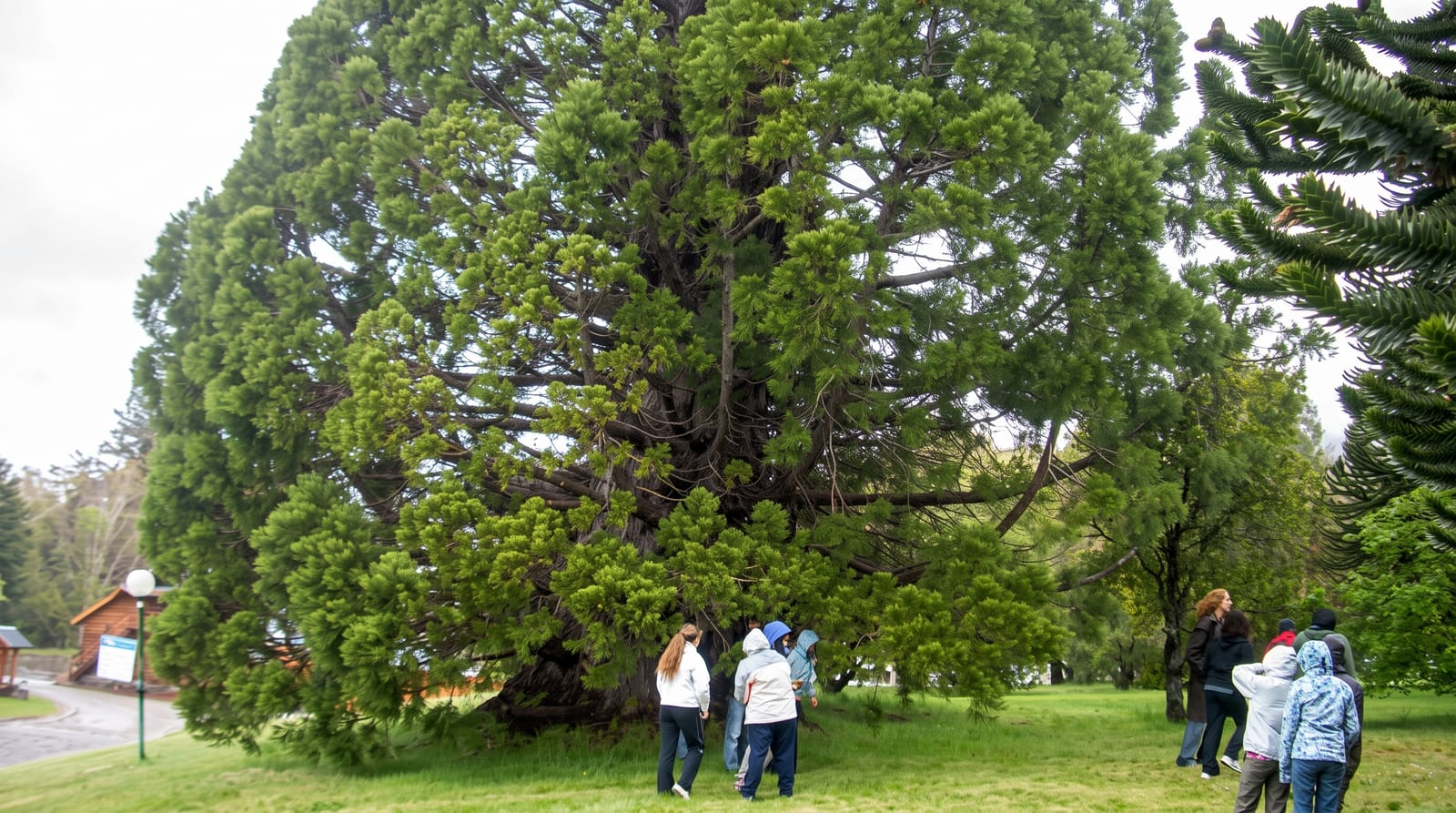
Los Alerces protects a system of lakes strung together by short rivers, Futalaufquen, Verde, Menéndez and Rivadavia among them, in forest that has escaped fire and logging to a degree rare in the Andes, which is why UNESCO added it to the World Heritage list in 2017. Its name comes from the alerce, or Patagonian cypress, a slow-growing conifer that can live for thousands of years; the park's most famous specimen, El Abuelo, stands in a grove reached only by boat across Lago Menéndez and a walk, and is estimated at around two and a half thousand years old. Trails range from lakeside strolls to multi-day routes, fishing is renowned, and the Río Arrayanes runs a startling green between the lakes.
History
The park was created in 1937 to protect forests of alerce trees, among them the largest known alerce in Argentina, at Puerto Sagrario, some 2,600 years old. A dam built inside the park supplies energy to industry in Puerto Madryn and formed the Amutui Quimey Reservoir, and a highway along the eastern shore of Lake Futalaufquen brought tourist access. In 2017 the park was designated a World Heritage Site (Wikipedia, Los Alerces National Park).
The landscape
- The alerce grove - millennial Patagonian cypress reached by boat and trail.
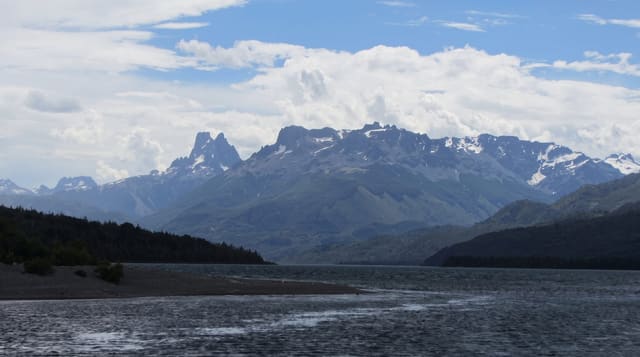
- The lake chain - Futalaufquen, Verde, Menéndez and Rivadavia linked by rivers.
- The green river - the Arrayanes running clear between the lakes.
- The old-growth forest - unlogged coihue and cypress woodland.
When to go
December to March for open trails, boat trips and warm weather; the alerce excursion runs only in the warm months and books out in January. Autumn is quiet and colourful. Winter closes much of the park with snow.
What to expect
The alerce trip is a long, expensive full-day boat-and-walk excursion, and the grove itself is short. Roads inside the park are gravel and slow. Rain is frequent, and horseflies are a real nuisance in midsummer.
Nearby
Esquel and Trevelin lie east; Lago Puelo is far north up the Andean corridor.
Key facts
Source: Wikidata, item Q828291, read on 18 October 2026.
What to pack for Los Alerces National Park
Chosen from what this place is for. Tap a kit for the full checklist.
- Broken-in walking shoes or boots - Grip and ankle support matter more than looks; never hike in brand-new boots. Find on Amazon
- Travel rod + reel - A packable multi-piece rod fits in a case and covers most holiday fishing. Find on Amazon
- Binoculars - The single best wildlife tool - even a compact pair transforms a sighting. Find on Amazon
- Warm base layers - Merino or synthetic against the skin - never cotton, which chills when damp. Find on Amazon
Some links on this page are Amazon affiliate links - if you buy through them we may earn a small commission at no extra cost to you.
All packing kitsPlan your trip
Where to start if Los Alerces National Park is going on the list.
Booking links on this page are affiliate links - if you book through them we may earn a small commission at no extra cost to you. It never changes what we write about a place.
Opening times, ticket prices and seasonal closures change - check the official source before you go: official site.