Junín de los Andes
A quiet fly-fishing town on the Chimehuín river, with a hillside way of the cross carved by contemporary artists.
Updated 18 October 2026
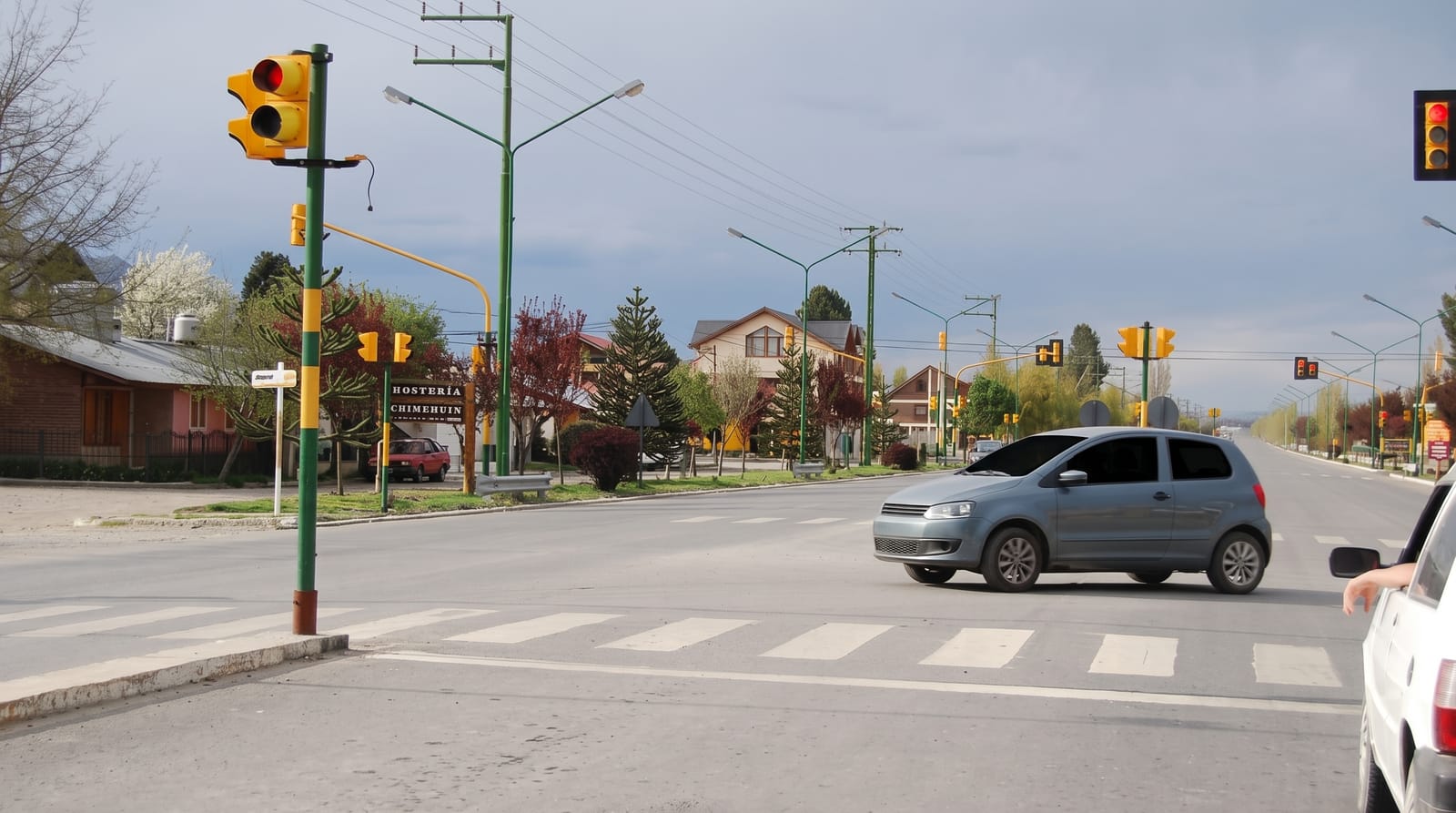
AI illustration
Junín de los Andes calls itself the trout capital of Argentina, and the claim rests on the Chimehuín, Aluminé and Malleo rivers that meet around it, waters that have drawn fly fishermen since brown and rainbow trout were introduced in the early twentieth century. The town itself is plain and working, with none of the alpine styling of its neighbour to the south, which is part of its appeal. Above it the Vía Christi climbs a hill through pine woods past twenty-three sculptural stations that retell the passion alongside Mapuche history and local themes, made by contemporary Argentine artists and unlike any conventional calvary. The Mapuche presence in the area is strong, and craft cooperatives sell weaving and silverwork.
History
Mapuche and Tehuelche peoples lived in the region before the Argentine state pushed into Patagonia, and in 1882 the army reached the area after heavy fighting and built a fort, its site said to have been chosen by Sergeant Major Agustín Bernardo, counted as the founder; in 1883 an expedition founded the settlement in the Chimehuín valley, at first to be called General Frías and then Junín de los Andes, after an Aymara word for pasture. It began as a military outpost, two Salesian priests arrived in 1892 to evangelise the native people and opened two schools, and it grew into a cattle town on a grid around a central square, with a parish church in 1893 and a post office in 1900; it became a municipality in 1945 (Wikipedia, Junín de los Andes).
What you'll find
- The Vía Christi - the hillside sculpture route blending passion and Mapuche history.
- The rivers - the Chimehuín and its neighbours, famous among fly fishers.
- The Mapuche crafts - weaving and silver sold through local cooperatives.
- The plain town - a working settlement without resort styling.
When to go
November to April for fishing, which is regulated by season and permit; the Chimehuín opens in November. Summer is warm and dry, autumn quiet and colourful. Winter is cold with snow on the surrounding hills.
Practical notes
The town has few conventional sights and visitors not fishing may find a day enough. Fishing requires provincial permits and, on the best water, a guide. Accommodation is limited compared with San Martín.
Nearby
Lago Huechulafquen and Lanín lie west; San Martín de los Andes is south.
Key facts
Source: Wikidata, item Q952426, read on 18 October 2026.
What to pack for Junín de los Andes
Chosen from what this place is for. Tap a kit for the full checklist.
- Travel rod + reel - A packable multi-piece rod fits in a case and covers most holiday fishing. Find on Amazon
- Warm base layers - Merino or synthetic against the skin - never cotton, which chills when damp. Find on Amazon
- Comfortable walking shoes - Sightseeing means kilometres of pavement and cobbles daily. Find on Amazon
- Shelter suited to the place - Tent, tarp or hut booking - match it to the terrain and rules. Find on Amazon
Some links on this page are Amazon affiliate links - if you buy through them we may earn a small commission at no extra cost to you.
All packing kitsPlan your trip
Where to start if Junín de los Andes is going on the list.
Booking links on this page are affiliate links - if you book through them we may earn a small commission at no extra cost to you. It never changes what we write about a place.
Opening times, ticket prices and seasonal closures change - check the official source before you go: official site.