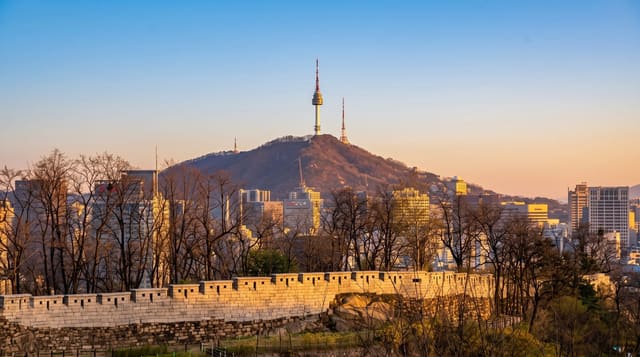
Massangano Fortress
A stone fort of 1583 at the meeting of the Kwanza and Lucala rivers, one of the oldest European buildings inland.
Updated 2 September 2026
Massangano was built in 1583 where the Lucala joins the Kwanza, a stone fort on a rise commanding both rivers, and it is one of the oldest surviving European structures in the interior of southern Africa. It served as a base for Portuguese expansion up the river system and briefly as a colonial capital in the seventeenth century. What survives is the walls, bastions, a chapel and cannon, standing in long grass with almost nobody there.
Highlights
- The walls and bastions - the 1583 fortification enclosing the hilltop.
- The chapel - the small church within the walls.
- The cannon - guns still mounted on the ramparts.
- The confluence - the Lucala joining the Kwanza below the fort.
When to go
May to September is the dry season and the road is passable. The rains from October to April make the last stretch difficult. Morning is the coolest time on the exposed hilltop.
Things to know
The road in is rough and a high-clearance vehicle is needed. There is no interpretation, no staff and no facilities. Vegetation has taken over parts of the interior.
Nearby
Muxima is downriver, and Pungo Andongo is east in Malanje.
What to pack for Massangano Fortress
Chosen from what this place is for. Tap a kit for the full checklist.
- Comfortable walking shoes - Sightseeing means kilometres of pavement and cobbles daily. Find on Amazon
- A slim anti-theft daypack - Zips that close properly; keep it in front in crowds and on transit. Find on Amazon
- A refillable water bottle - Many cities have public fountains; save money and plastic. Find on Amazon
- A light layer + compact umbrella - For museum air-con and a sudden shower. Find on Amazon
Some links on this page are Amazon affiliate links - if you buy through them we may earn a small commission at no extra cost to you.
All packing kitsPlan your trip
Where to start if Massangano Fortress is going on the list.
Booking links on this page are affiliate links - if you book through them we may earn a small commission at no extra cost to you. It never changes what we write about a place.
Opening times, ticket prices and seasonal closures change - check the official source before you go: official site.