Chimalavera Regional Nature Park
A savanna and dry hill park near Benguela, closest wildlife area to the coast, with populations still recovering.
Updated 1 September 2026
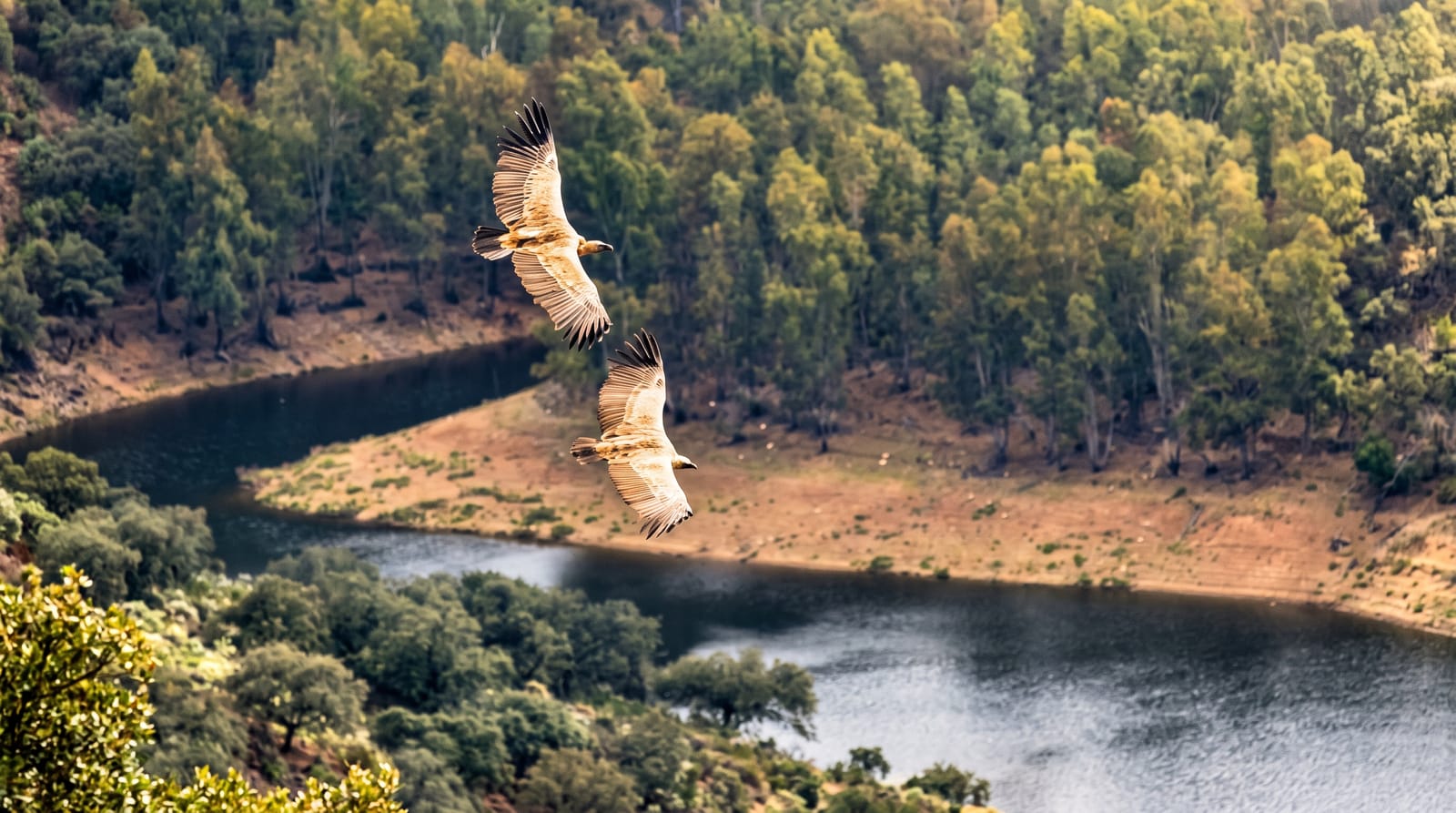
Chimalavera covers dry hills and savanna inland from Benguela and was created in 1974 as the nearest protected area to the coastal cities. Wildlife populations were badly reduced over the following decades and what is present now is largely antelope, warthog, baboon and birds, with some reintroductions. The appeal is that it is close, accessible without an expedition, and the terrain of granite outcrops and woodland is attractive in itself.
The landscape
- The granite outcrops - rock hills rising through the savanna woodland.
- The antelope - the park's main large mammals, in recovering numbers.
- The birdlife - dry-country species through the woodland and around waterholes.
- The accessibility - a wildlife area within an hour of the coast.
When to go
June to October is the dry season and the best for seeing animals at water. The rains from November to April make tracks difficult and grass high. Early morning is the most productive hour.
What to expect
Wildlife numbers are low and anyone expecting a southern African game park will be disappointed. Infrastructure is minimal with no lodge inside. A guide and a high-clearance vehicle are effectively necessary.
Nearby
Benguela is thirty kilometres west, and Lobito is on the coast.
What to pack for Chimalavera Regional Nature Park
Chosen from what this place is for. Tap a kit for the full checklist.
- Broken-in walking shoes or boots - Grip and ankle support matter more than looks; never hike in brand-new boots. Find on Amazon
- Binoculars - The single best wildlife tool - even a compact pair transforms a sighting. Find on Amazon
- Shelter suited to the place - Tent, tarp or hut booking - match it to the terrain and rules. Find on Amazon
- Layers + a waterproof shell - Mountain weather turns fast; a packable rain jacket saves the day. Find on Amazon
Some links on this page are Amazon affiliate links - if you buy through them we may earn a small commission at no extra cost to you.
All packing kitsPlan your trip
Where to start if Chimalavera Regional Nature Park is going on the list.
Booking links on this page are affiliate links - if you book through them we may earn a small commission at no extra cost to you. It never changes what we write about a place.
Opening times, ticket prices and seasonal closures change - check the official source before you go: official site.