Benguela
A coastal city founded in 1617, with wide avenues of colonial buildings, mango trees and beaches at the edge.
Updated 19 October 2026
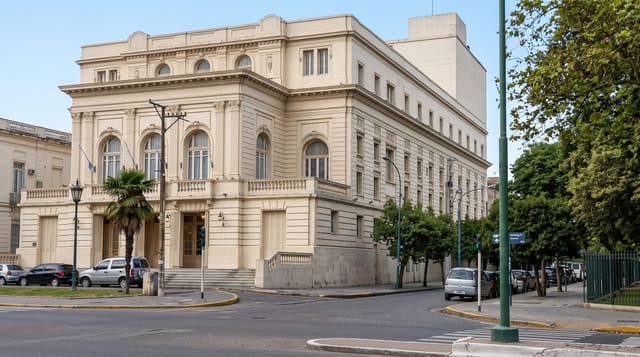
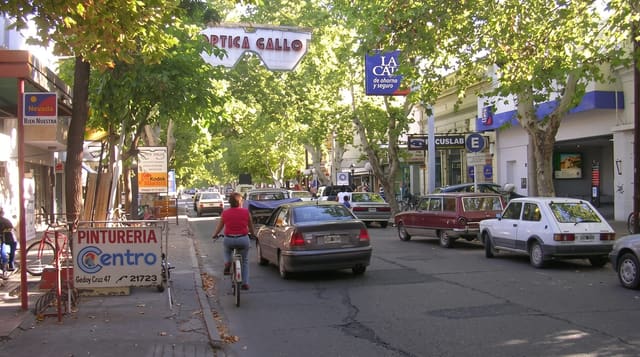
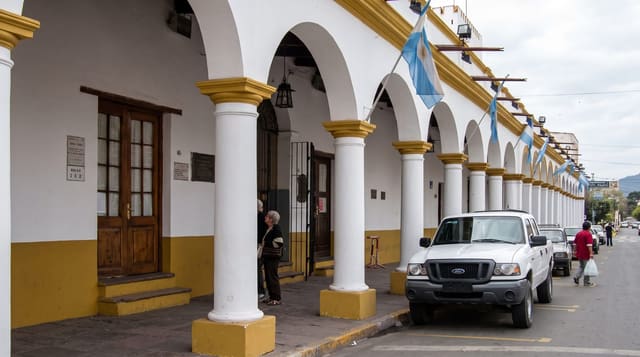
Benguela was founded by the Portuguese in 1617 and grew as a port, and it has kept more of its old fabric than most Angolan cities: broad avenues lined with mango and acacia, pastel buildings with deep verandas, a cathedral of 1748, and a station of the Benguela railway, which runs from the coast at Lobito inland to the Congolese border. The city sits back from a run of beaches, and the pace is noticeably slower than Luanda, which is the reason most visitors like it.
History
The Portuguese under Manuel Cerveira Pereira founded the city in 1617 as São Felipe de Benguela, and for a long time it was the centre of a large trade, above all in slaves to Brazil and Cuba, with ships anchoring about 1.6 kilometres offshore and unloading into boats at five or six jetties. In 1911 it still had only a few stone houses besides the churches of São Felipe and Santo António, the hospital and the fortress, but it grew in the following decades, and the Benguela Railway, built in the early 20th century to link the city and Lobito with the interior, prospered once it reached the Copperbelt of Katanga and Zambia. For a quarter of a century after 1975 the line ran only on the 30 kilometres between Benguela and Lobito, and in the mid-2000s work began to restore the railway to Huambo (Wikipedia, Benguela).
Highlights
- The colonial avenues - wide tree-lined streets of pastel buildings with verandas.
- The cathedral - the church of Nossa Senhora do Populo, dating from 1748.
- The railway station - a stop near the coastal end of the Benguela line running inland.
- The city beaches - sand at the edge of town, busy at weekends.
When to go
May to September is the dry season and the most comfortable; it is cooler on this coast than the interior. The rains run from October to April with heat and humidity. Weekends fill the beaches.
Good to know
Many colonial buildings are in poor repair and restoration is patchy. Prices in Angola are high for what is provided, and this applies to hotels here. English is little spoken; Portuguese is essential or a guide.
Nearby
Baia Azul is south along the coast, and Lobito is just north.
Key facts
Source: Wikidata, item Q214248, read on 18 October 2026.
What to pack for Benguela
Chosen from what this place is for. Tap a kit for the full checklist.
- Reef-safe sunscreen - High SPF that will not bleach the coral you are swimming over. Find on Amazon
- Strong insect repellent - DEET or picaridin; the jungle is where bites and disease risk are highest. Find on Amazon
- Comfortable walking shoes - Sightseeing means kilometres of pavement and cobbles daily. Find on Amazon
- Modest clothing - Shoulders and knees covered - the single most common requirement. Find on Amazon
Some links on this page are Amazon affiliate links - if you buy through them we may earn a small commission at no extra cost to you.
All packing kitsPlan your trip
Where to start if Benguela is going on the list.
Booking links on this page are affiliate links - if you book through them we may earn a small commission at no extra cost to you. It never changes what we write about a place.
Opening times, ticket prices and seasonal closures change - check the official source before you go: official site.