The Island of Futuna
The wild, mountainous sister island - remote Futuna, the more rugged and traditional of the territory's islands, a lush volcanic isle of steep green mountains, fringing reefs, deep faith and enduring Polynesian kingship, far from any crowds.
Updated 23 October 2026
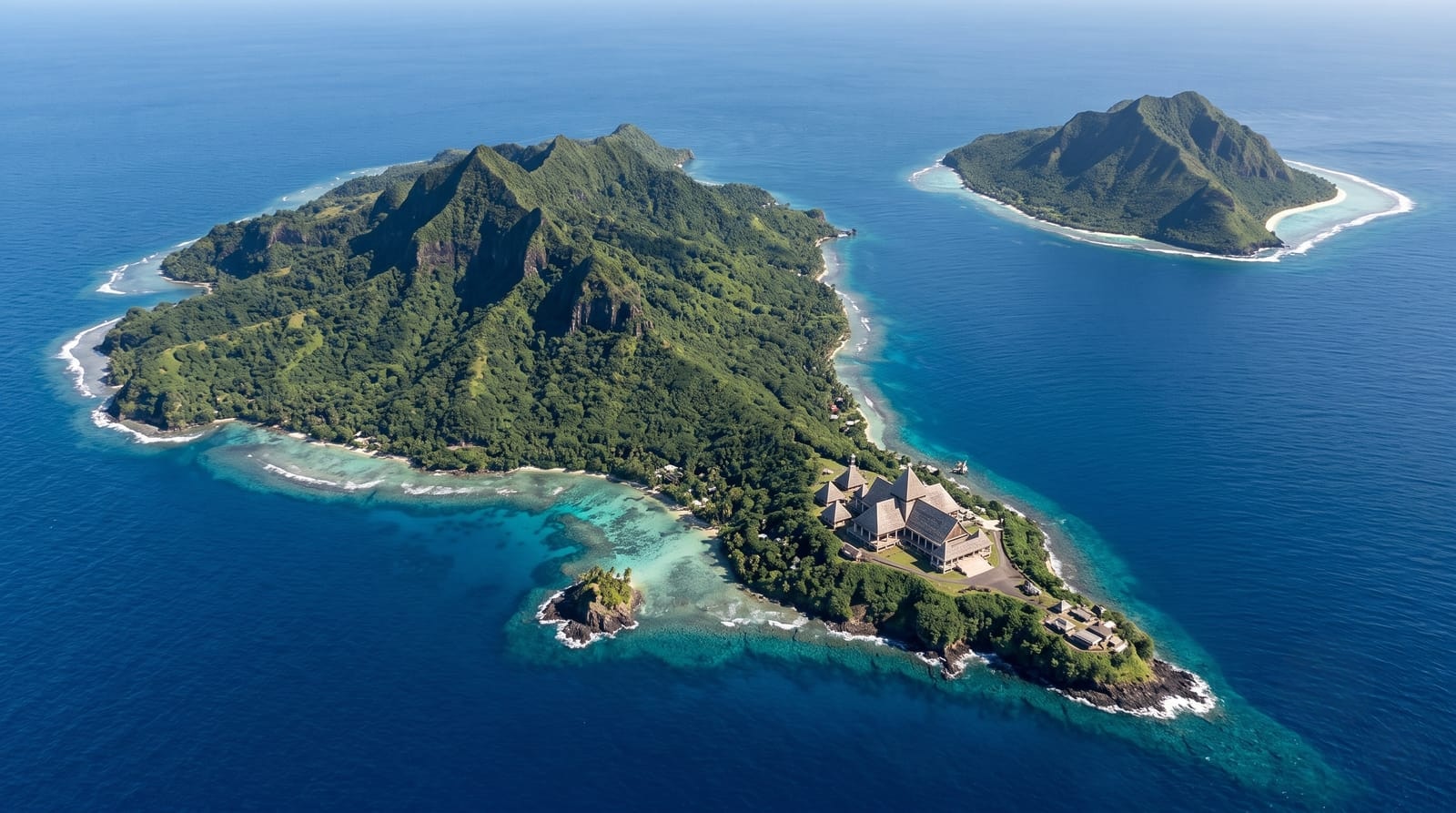
AI illustration
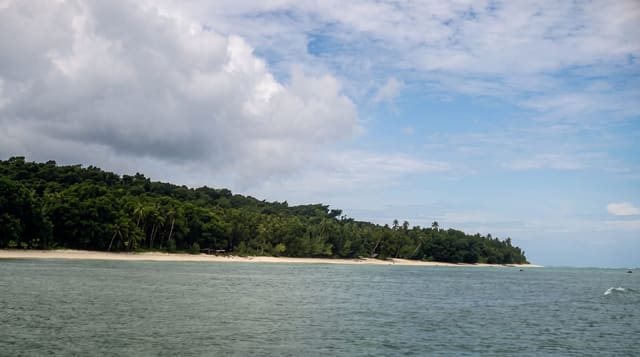
Futuna, lying some distance from Wallis and reached by a short flight, is the wilder and more mountainous of the territory's two main islands, and in many ways its most traditional. Unlike the flatter, lagoon-ringed Wallis, Futuna rises steeply in lush green volcanic mountains that plunge towards a coast fringed by reef, with the small island of Alofi lying just offshore. Life here is deeply rooted in Polynesian custom and Catholic faith, the island retaining its own customary kings and famous as the place where a nineteenth-century missionary, later canonised as the Pacific's first saint, met his end, commemorated by a striking basilica. Remote, verdant and steeped in tradition, Futuna offers a rare and authentic glimpse of an unspoiled Pacific island world.
History
The first Europeans to map Futuna and Alofi were Willem Schouten and Jacob Le Maire in 1616, sailing round the world on the Eendracht, and they named them the Hoorn Islands after Schouten's home town. Islanders traded coconuts, yams and pigs with them for iron nails, beads and knives, and in the 19th century American and other whaling ships called for water, wood and food, the first known being the Independence in 1827 (Wikipedia, Futuna (Wallis and Futuna)).
Highlights
- The green mountains - the steep lush volcanic peaks.
- The island of Alofi - the uninhabited islet just offshore.
- The basilica - the shrine to the Pacific's first saint.
- The living tradition - the customary kings and deep faith.
When to go
May to October, the drier, cooler season, brings the most pleasant weather for exploring the mountainous island, avoiding the hotter, wetter months; the tropical climate is warm year-round. Sundays and religious feasts are devoutly observed, a special but quiet time.
What to expect
Futuna is remote and little-visited even by the standards of the territory, reached by small aircraft with very limited facilities and a deeply traditional community, so it suits respectful travellers seeking authenticity over comfort.
Nearby
The uninhabited island of Alofi lies just offshore, and Wallis to the northeast.
Key facts
Source: Wikidata, item Q664321, read on 18 October 2026.
What to pack for The Island of Futuna
Chosen from what this place is for. Tap a kit for the full checklist.
- Reef-safe sunscreen - High SPF that will not bleach the coral you are swimming over. Find on Amazon
- Modest clothing - Shoulders and knees covered - the single most common requirement. Find on Amazon
- Quick-dry towel - A microfibre towel packs small and dries in minutes. Find on Amazon
- A scarf or shawl - To cover the head or shoulders on entry; women especially at mosques. Find on Amazon
Some links on this page are Amazon affiliate links - if you buy through them we may earn a small commission at no extra cost to you.
All packing kitsPlan your trip
Where to start if The Island of Futuna is going on the list.
Booking links on this page are affiliate links - if you book through them we may earn a small commission at no extra cost to you. It never changes what we write about a place.