Los Roques Archipelago
A Caribbean dream of turquoise - the Los Roques archipelago, a national park of some 350 pristine coral islands and cays scattered across dazzling turquoise waters, with powder-white beaches, superb reefs and a serene, unspoiled island paradise.
Updated 18 October 2026

AI illustration
Real photos (1)
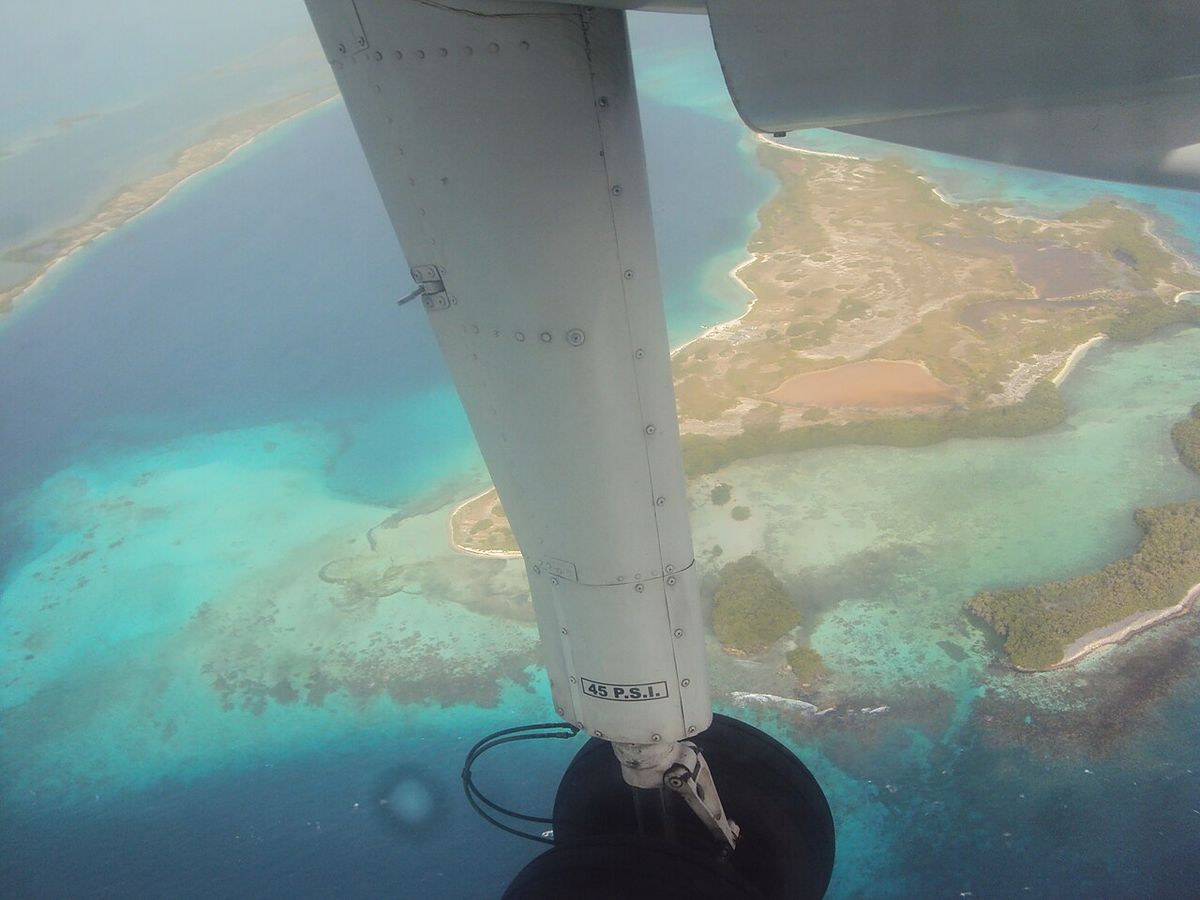
The Los Roques archipelago, scattered across the Caribbean Sea north of the Venezuelan mainland, is one of the most beautiful island groups in the region and a protected national park, a dazzling constellation of some 350 low coral islands, cays and sandbanks set in waters of every shade of turquoise and jade. Ringed by pristine coral reefs and fringed with powder-white beaches, it is a serene, unspoiled paradise of extraordinary clarity and colour, where the only village, on Gran Roque, retains a relaxed, low-key charm. Renowned for its superb snorkelling, diving, bonefishing and sheer tropical beauty, and largely free of crowds and development, Los Roques is a genuine Caribbean idyll.
History
The first people here were Caribbean natives who came to gather giant sea snails, fish, hunt turtles and make salt; stone paths, salt-pan dikes and house remains survive from that time. In the 18th century the Guipuzcoana trading company gave the first islands their names - Gran Roque, Carenero, Cayo Sal - and in the 19th salt and guano were worked. Settlers from Aruba, Curaçao and the neighbouring Dutch islands arrived around 1886 and left names ending in -quí, from the word "key": Francisquí, Madrisquí, Krasquí. Early in the 20th century Gran Roque served as a quarantine island during a plague outbreak in La Guaira, and from 1910 fishing families from Margarita settled the village for good. The archipelago became a national park in 1972, with a research station on Dos Mosquises (Wikipedia, Los Roques Archipelago).
The landscape
- The turquoise waters - the dazzling shades of the shallow sea.
- The coral cays - the hundreds of pristine islands and sandbanks.
- The white beaches - the powder-soft, near-deserted shores.
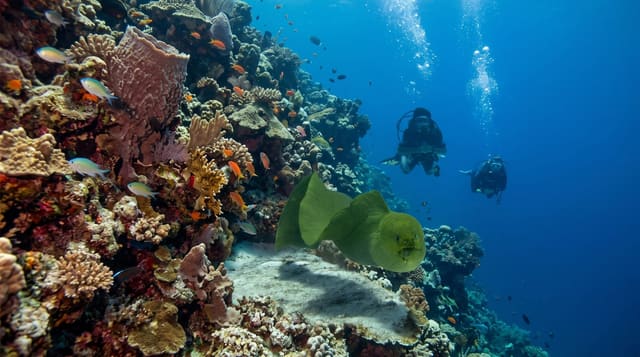
- The reefs - the superb coral for snorkelling and diving.
When to go
December to April, the drier season, offers the finest weather with calm, clear seas ideal for snorkelling, diving and island-hopping; the warm Caribbean archipelago is a year-round destination but at its most idyllic in these months. Calm, sunny days best reveal the extraordinary colours of the water.
What to expect
Los Roques is reached by light aircraft and offers simple, low-key posadas on Gran Roque rather than large resorts, so it suits those seeking unspoiled natural beauty and tranquillity over lavish amenities. As a pristine national park of hundreds of coral islands in dazzling turquoise seas, a genuine Caribbean idyll largely free of crowds, though, Los Roques is breathtakingly beautiful.
Nearby
The mainland coast and the capital Caracas lie to the south.
Key facts
Source: Wikidata, item Q318678, read on 18 October 2026.
What to pack for Los Roques Archipelago
Chosen from what this place is for. Tap a kit for the full checklist.
- Travel rod + reel - A packable multi-piece rod fits in a case and covers most holiday fishing. Find on Amazon
- Reef-safe sunscreen - High SPF that will not bleach the coral you are swimming over. Find on Amazon
- Your own mask + snorkel - A well-fitting mask is the single biggest comfort upgrade underwater. Find on Amazon
- Binoculars - The single best wildlife tool - even a compact pair transforms a sighting. Find on Amazon
Some links on this page are Amazon affiliate links - if you buy through them we may earn a small commission at no extra cost to you.
All packing kitsPlan your trip
Where to start if Los Roques Archipelago is going on the list.
Booking links on this page are affiliate links - if you book through them we may earn a small commission at no extra cost to you. It never changes what we write about a place.
Opening times, ticket prices and seasonal closures change - check the official source before you go: official site.