Angel Falls
The world's tallest uninterrupted waterfall - Angel Falls, plunging almost a kilometre from the sheer edge of a flat-topped tepui in the heart of Canaima National Park, a UNESCO World Heritage wonder in one of the most primeval landscapes in the world.
Updated 18 October 2026

AI illustration
UNESCO World Heritage
Real photos (1)
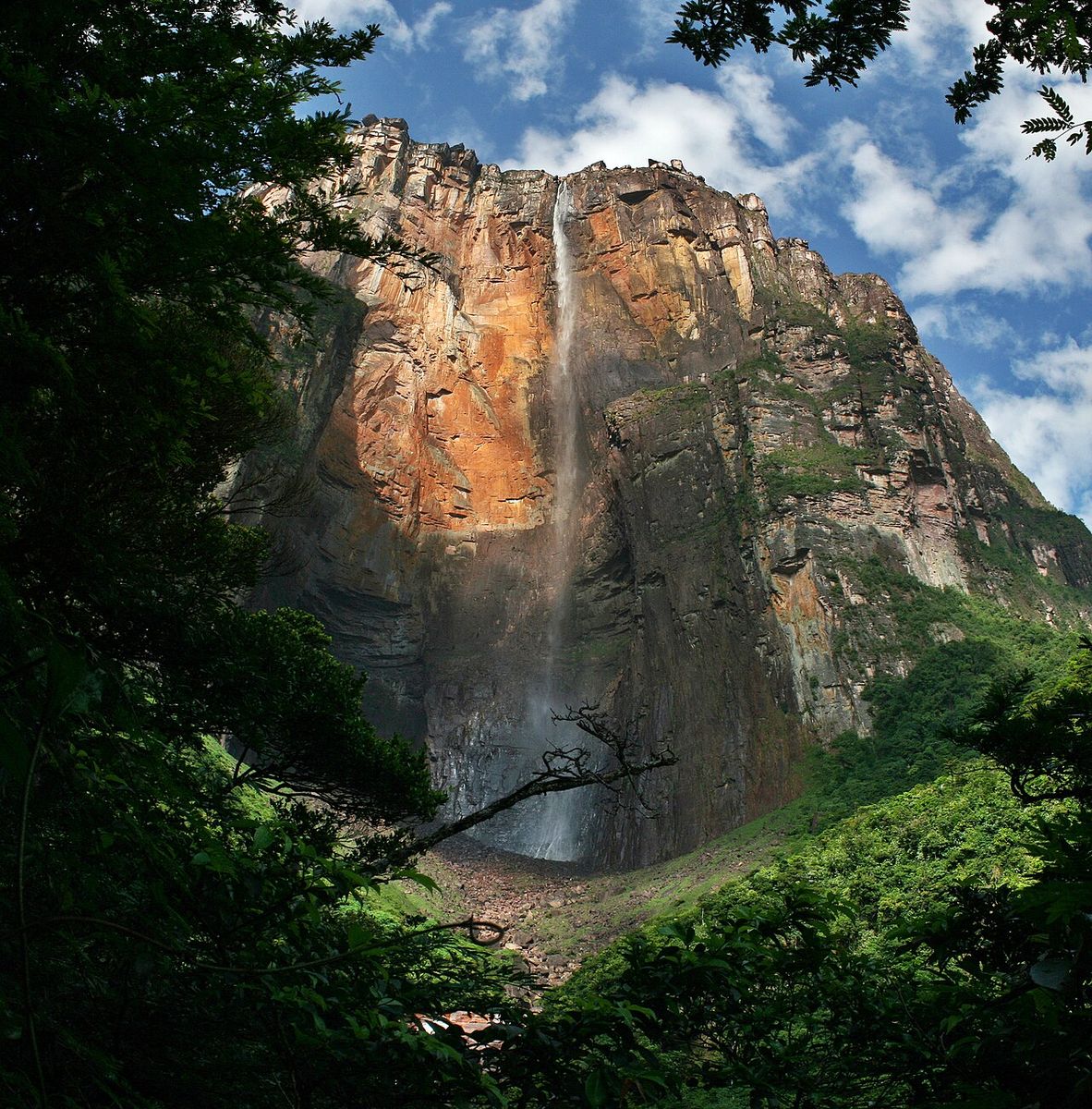
Angel Falls, deep in the wilderness of Canaima National Park in southeastern Venezuela, is the world's tallest uninterrupted waterfall, though some measurements leave room for South Africa's Tugela Falls, plunging an astonishing 979 metres from the sheer edge of Auyán-tepui, one of the great flat-topped table mountains that give the region its otherworldly character. So high is the drop that much of the water dissolves into mist before reaching the base. Set amid the primeval landscape of the Guiana Highlands, a UNESCO World Heritage site of ancient tepuis, savanna and jungle rivers, the falls are reached by an unforgettable journey of light aircraft and motorised canoe through pristine wilderness. To glimpse this immense ribbon of water tumbling from the clouds is one of the great natural spectacles on the planet.
History
Walter Raleigh is said, on doubtful grounds, to have been the first European to see the falls, other accounts name the Spanish governor Fernando de Berrío or the explorer Félix Cardona in 1927, but they became known to the world when the American aviator Jimmie Angel flew over them on 16 November 1933 while searching for an ore bed. On 9 October 1937 Angel tried to land his monoplane on top of Auyán-tepui, the wheels sank into the marsh, and he, his wife Marie and two companions took 11 days to walk down; the name Salto del Ángel first appeared on a Venezuelan government map in December 1939, and his ashes were scattered over the falls on 2 July 1960. In 2009 President Hugo Chávez proposed using the Pemon name, Kerepakupai Vená, though he did not decree the change (Wikipedia, Angel Falls).
The landscape
- The great cascade - the tallest uninterrupted waterfall on earth, from the tepui.
- Auyán-tepui - the vast flat-topped table mountain.
- The misty plunge - the water dissolving into spray on the way down.
- The wilderness journey - the flight and canoe trip to reach it.
When to go
June to November, the wet season, is the best time to see Angel Falls at full, thundering flow, when the river is high, though clouds may sometimes veil the top; the drier months offer clearer skies but a thinner cascade. Multi-day guided trips by light aircraft and canoe are the way to reach it.
Practical notes
Angel Falls is deep in remote wilderness, reached only by a multi-day trip involving light aircraft and long motorised canoe journeys, so it takes time, money and a spirit of adventure, and clouds can occasionally hide the summit. As the tallest uninterrupted waterfall on earth, tumbling from a tepui in a UNESCO World Heritage wilderness of primeval beauty, though, Angel Falls is one of the most breathtaking natural wonders on the planet.
Nearby
The village of Canaima and its lagoon of waterfalls are the gateway.
Key facts
Source: Wikidata, item Q80299, read on 18 October 2026.
What to pack for Angel Falls
Chosen from what this place is for. Tap a kit for the full checklist.
- Broken-in walking shoes or boots - Grip and ankle support matter more than looks; never hike in brand-new boots. Find on Amazon
- Reef-safe sunscreen - High SPF that will not bleach the coral you are swimming over. Find on Amazon
- Quick-dry clothing - Board shorts or synthetics that shrug off spray and dry fast. Find on Amazon
- Strong insect repellent - DEET or picaridin; the jungle is where bites and disease risk are highest. Find on Amazon
Some links on this page are Amazon affiliate links - if you buy through them we may earn a small commission at no extra cost to you.
All packing kitsPlan your trip
Where to start if Angel Falls is going on the list.
Booking links on this page are affiliate links - if you book through them we may earn a small commission at no extra cost to you. It never changes what we write about a place.
Opening times, ticket prices and seasonal closures change - check the official source before you go: official site.