Jockey's Ridge State Park
The tallest natural sand dune system on the US Atlantic coast, which moves south-west a few metres a year and is shrinking.
Updated 14 October 2026
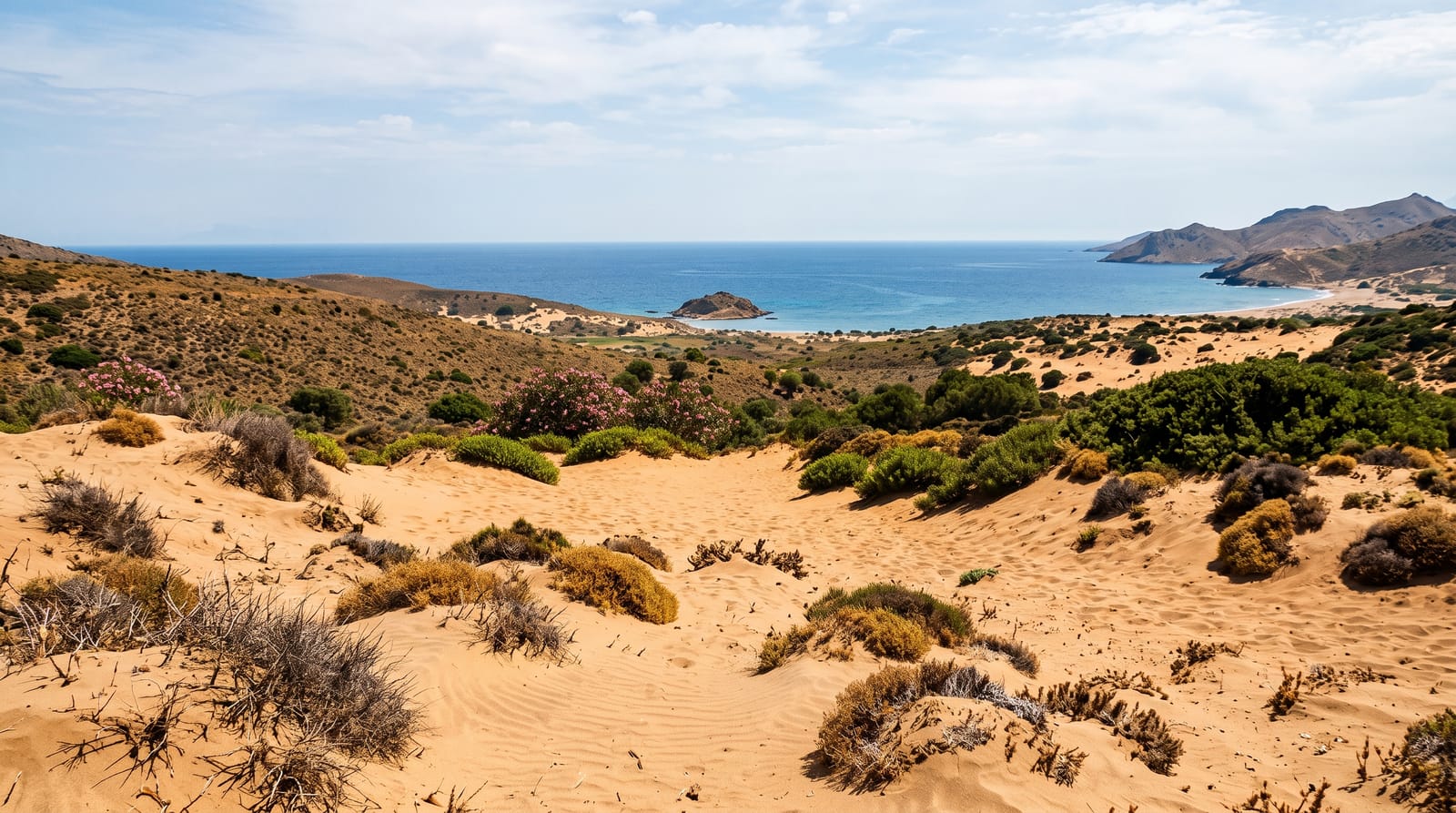
The dune is a medano - a shifting hill of sand with no vegetation to hold it - and its height varies with wind and storms, generally cited somewhere between eighteen and thirty metres depending on the year. It migrates: the whole system moves south-west by a few metres annually, has buried a miniature golf course and has threatened houses at the edge. It is also losing volume overall. The park was created in 1975 after a local campaign stopped a developer levelling it; the story of one resident lying in front of a bulldozer is part of the founding account. The steady Atlantic wind makes it the site of the oldest hang gliding school in the country, running lessons on the slopes since 1974.
Highlights
- The tallest natural dune on the Atlantic coast - height varying by year.
- A dune that migrates - a few metres south-west annually.
- Hang gliding lessons - on the slopes since 1974.
- A park created by a local campaign - against levelling in the 1970s.
When to go
April to October; sunset is the popular time. Two to three hours.
What to expect
The sand reaches painful temperatures in summer - shoes are essential midday. There is no shade anywhere on the dune. Wind blows sand constantly, which is hard on cameras. Walking in soft sand uphill is more work than it looks.
Nearby
Wright Brothers Memorial is north; Cape Hatteras runs south.
Key facts
Source: Wikidata, item Q14707995, read on 18 October 2026.
What to pack for Jockey's Ridge State Park
Chosen from what this place is for. Tap a kit for the full checklist.
- Broken-in walking shoes or boots - Grip and ankle support matter more than looks; never hike in brand-new boots. Find on Amazon
- Loose, light, long clothing - Covering up beats bare skin in the desert - and locals dress this way for a reason. Find on Amazon
- Layers + a waterproof shell - Mountain weather turns fast; a packable rain jacket saves the day. Find on Amazon
- A wide-brim hat + sunglasses - Shade for your face and eyes where there is none overhead. Find on Amazon
Some links on this page are Amazon affiliate links - if you buy through them we may earn a small commission at no extra cost to you.
All packing kitsPlan your trip
Where to start if Jockey's Ridge State Park is going on the list.
Booking links on this page are affiliate links - if you book through them we may earn a small commission at no extra cost to you. It never changes what we write about a place.
Opening times, ticket prices and seasonal closures change - check the official source before you go: official site.