Bannack State Park
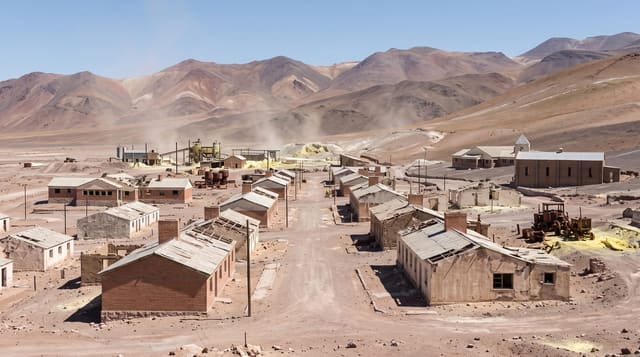
Montana's first territorial capital, now sixty standing buildings and no residents, left to weather rather than restored.
Updated 30 August 2026
Gold was found on Grasshopper Creek in 1862 and Bannack went from nothing to several thousand people within a year, becoming the first territorial capital of Montana in 1864. Its sheriff, Henry Plummer, was hanged by vigilantes in 1864 on accusations of leading a road-agent gang - whether he was guilty has been argued ever since and the evidence is thin either way. The gold thinned, the capital moved, and the town emptied. About sixty buildings stand, kept stabilised rather than restored: you walk into unfurnished rooms with sagging floors, peeling wallpaper and daylight through the boards. Most are open to enter. There is no town, no shops and no services on site.
What's there
- About sixty standing buildings - stabilised, not restored.
- Rooms open to walk into - unfurnished, weathering.
- Montana's first territorial capital - for a short period from 1864.
- The Plummer vigilante story - contested on thin evidence.
When to go
May to September; roads and buildings are difficult in winter. Two to three hours.
Good to know
There are no services at all - bring water and food. The access road is gravel. Floors and stairs in some buildings are unsafe and closed. It is genuinely remote.
Nearby
Dillon is east; the Big Hole valley is north-west.
Key facts
Source: Wikidata, item Q806862, read on 18 October 2026.
What to pack for Bannack State Park
Chosen from what this place is for. Tap a kit for the full checklist.
- Comfortable walking shoes - Sightseeing means kilometres of pavement and cobbles daily. Find on Amazon
- A slim anti-theft daypack - Zips that close properly; keep it in front in crowds and on transit. Find on Amazon
- A refillable water bottle - Many cities have public fountains; save money and plastic. Find on Amazon
- A light layer + compact umbrella - For museum air-con and a sudden shower. Find on Amazon
Some links on this page are Amazon affiliate links - if you buy through them we may earn a small commission at no extra cost to you.
All packing kitsPlan your trip
Where to start if Bannack State Park is going on the list.
Booking links on this page are affiliate links - if you book through them we may earn a small commission at no extra cost to you. It never changes what we write about a place.
Opening times, ticket prices and seasonal closures change - check the official source before you go: official site.