The Monument
Wren's column marking the Great Fire of 1666, exactly as tall as its distance from the bakery where the fire began.
Updated 20 October 2026

AI illustration
Christopher Wren and Robert Hooke built the Monument between 1671 and 1677 to mark the Great Fire, which began on 2 September 1666 in Thomas Farriner's bakery on Pudding Lane and burned for four days, destroying around thirteen thousand houses and eighty-seven churches. The column stands 61.57 metres, which is exactly its distance from the site of the bakery, and it was designed to double as a scientific instrument: a laboratory in the base and a hinged lid at the top were intended for telescope and pendulum experiments, though vibration from traffic made it useless. A spiral of 311 steps climbs to a caged viewing platform; the cage was added in the mid-nineteenth century after six suicides between 1788 and 1842. Everyone who reaches the top is given a certificate.
What to look for
- The 311 steps - a stone spiral to a caged platform near the top.
- The measured height - the column exactly as tall as its distance from Pudding Lane.
- The base relief - a carved panel showing Charles II directing the rebuilding.
- The certificate - handed out at ground level to everyone who climbs it.
When to go
Year-round; it is one of the cheapest viewpoints in London and rarely queues for long. Clear days give the best view, though surrounding towers now block much of what Wren intended to be seen.
Good to know
The stair is a narrow spiral with no lift, 311 steps, and there is no way down except back through people coming up. Modern towers have closed in much of the view. The platform is caged, which complicates photography.
Nearby
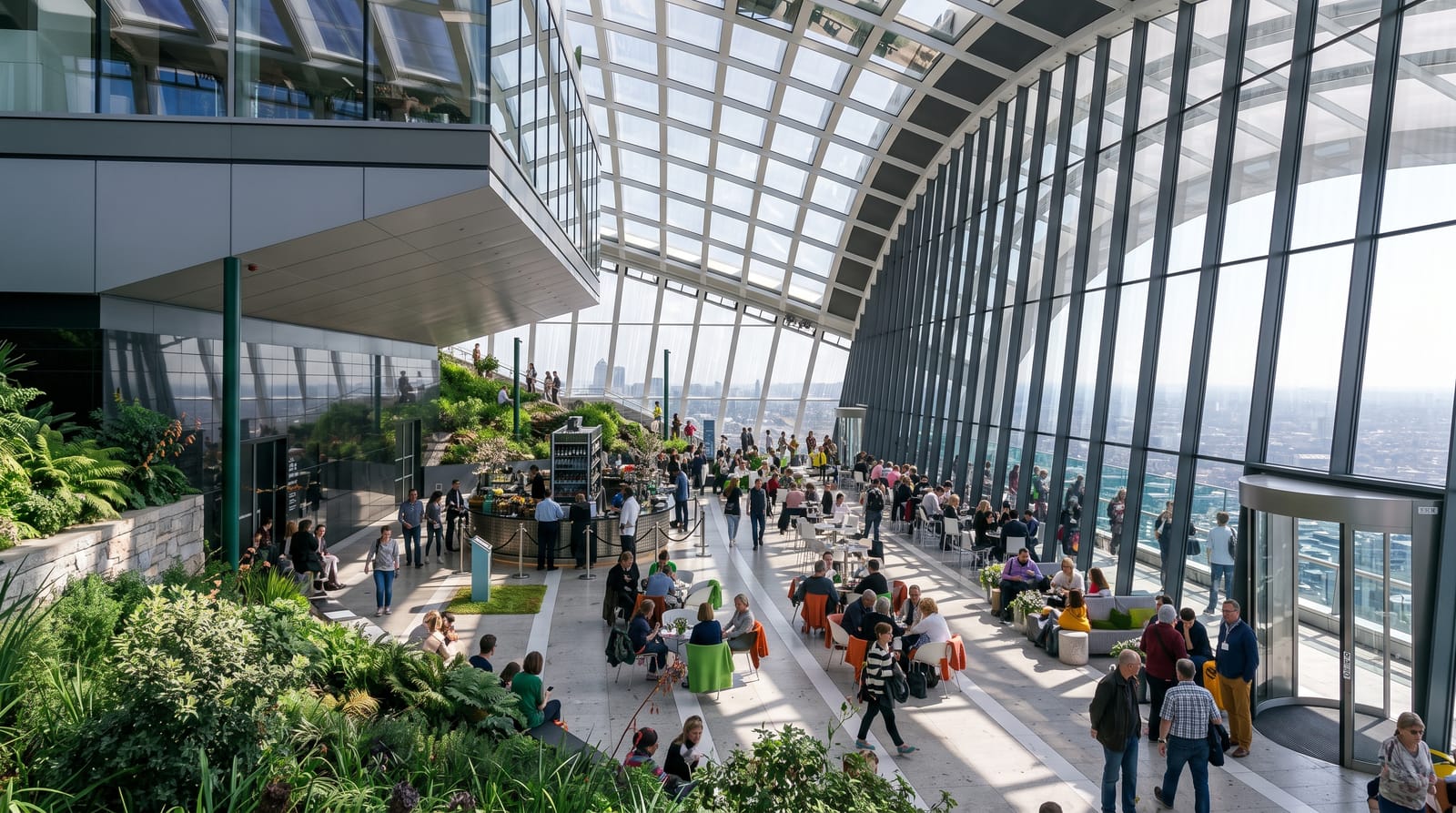
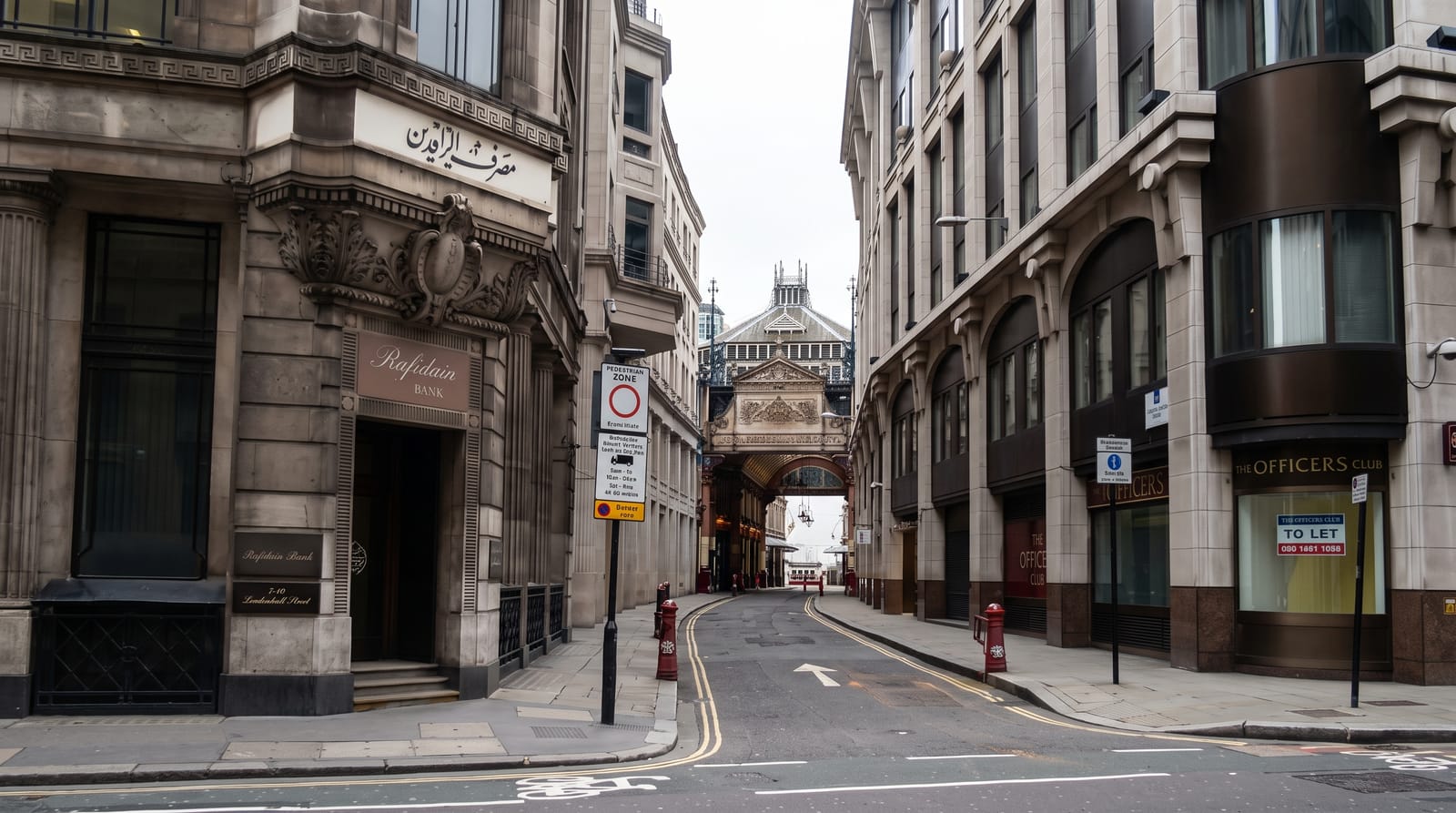
Leadenhall Market and Sky Garden are minutes away; London Bridge crosses the river alongside.
Key facts
Source: Wikidata, item Q607700, read on 18 October 2026.
What to pack for The Monument
Chosen from what this place is for. Tap a kit for the full checklist.
- Comfortable walking shoes - Sightseeing means kilometres of pavement and cobbles daily. Find on Amazon
- A slim anti-theft daypack - Zips that close properly; keep it in front in crowds and on transit. Find on Amazon
- A refillable water bottle - Many cities have public fountains; save money and plastic. Find on Amazon
- A light layer + compact umbrella - For museum air-con and a sudden shower. Find on Amazon
Some links on this page are Amazon affiliate links - if you buy through them we may earn a small commission at no extra cost to you.
All packing kitsPlan your trip
Where to start if The Monument is going on the list.
Booking links on this page are affiliate links - if you book through them we may earn a small commission at no extra cost to you. It never changes what we write about a place.
Opening times, ticket prices and seasonal closures change - check the official source before you go: official site.