Fujairah Fort
The oldest fort in the emirate, on a rock above a restored heritage village of stone and mud houses.
Updated 2 October 2026
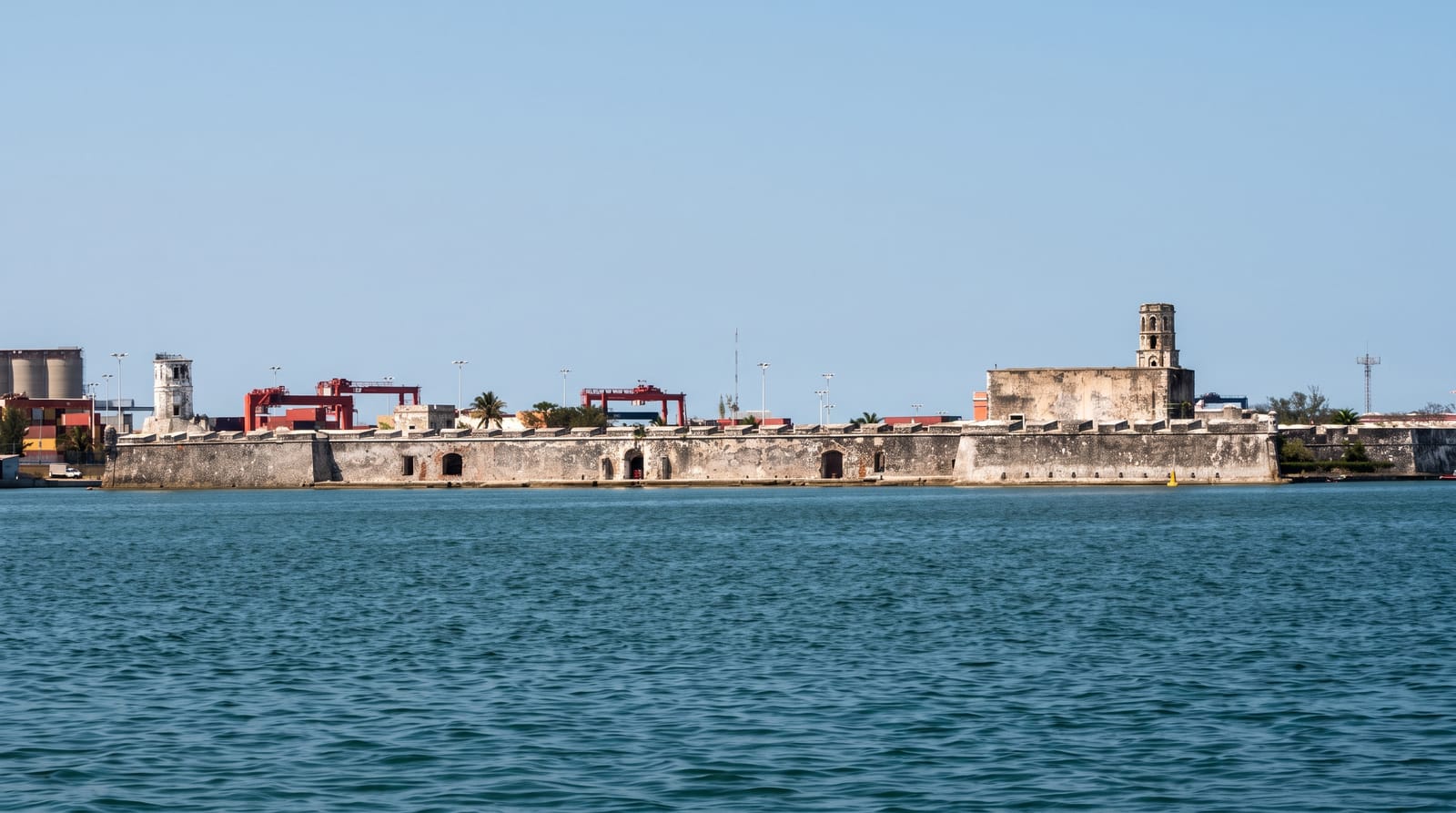
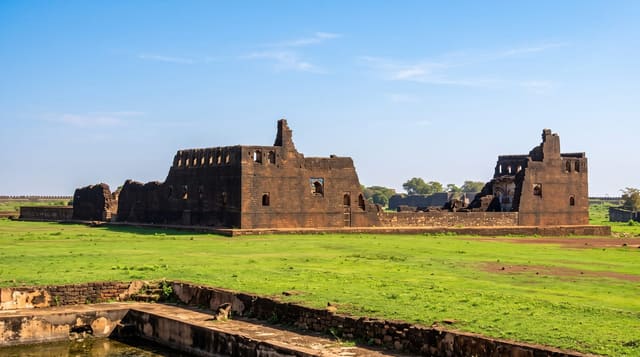
Fujairah Fort stands on a rock outcrop above the date gardens on the landward side of the city, built at the end of the sixteenth century of stone, mudbrick and gypsum with three round towers and one square. It was the ruling family's residence and the emirate's main defence, damaged in the early twentieth century and restored from the 1990s. Below it a heritage village has been laid out with reconstructed houses, a falaj, and displays of tools and farming.
What you'll find
- The fort towers - three round towers and one square on the rock outcrop.
- The heritage village - reconstructed stone and palm houses below the walls.
- The Al Bithnah connection - the wider set of forts guarding the wadi routes inland.
- The date gardens - the plantation the fort stands above.
When to go
October to April for comfortable walking; the site is exposed. Mornings are best for light and heat. It closes on Mondays and opens late on Fridays.
Good to know
Much of what stands is reconstruction rather than original fabric. Interpretation is limited and largely in Arabic. The heritage village is often closed even when the fort is open.
Nearby
Ain Al Madhab is west, and Al Hayl Fort is southwest.
Key facts
Source: Wikidata, item Q5953247, read on 18 October 2026.
What to pack for Fujairah Fort
Chosen from what this place is for. Tap a kit for the full checklist.
- Comfortable walking shoes - Sightseeing means kilometres of pavement and cobbles daily. Find on Amazon
- A slim anti-theft daypack - Zips that close properly; keep it in front in crowds and on transit. Find on Amazon
- A refillable water bottle - Many cities have public fountains; save money and plastic. Find on Amazon
- A light layer + compact umbrella - For museum air-con and a sudden shower. Find on Amazon
Some links on this page are Amazon affiliate links - if you buy through them we may earn a small commission at no extra cost to you.
All packing kitsPlan your trip
Where to start if Fujairah Fort is going on the list.
Booking links on this page are affiliate links - if you book through them we may earn a small commission at no extra cost to you. It never changes what we write about a place.
Opening times, ticket prices and seasonal closures change - check the official source before you go: official site.