The Funafuti Conservation Area
A pristine marine sanctuary in the lagoon - a protected area of uninhabited islets, coral reefs and turquoise waters on the western side of Funafuti's lagoon, of nesting turtles and seabirds and vibrant marine life, a beautiful, unspoilt escape reached by boat.
Updated 18 October 2026
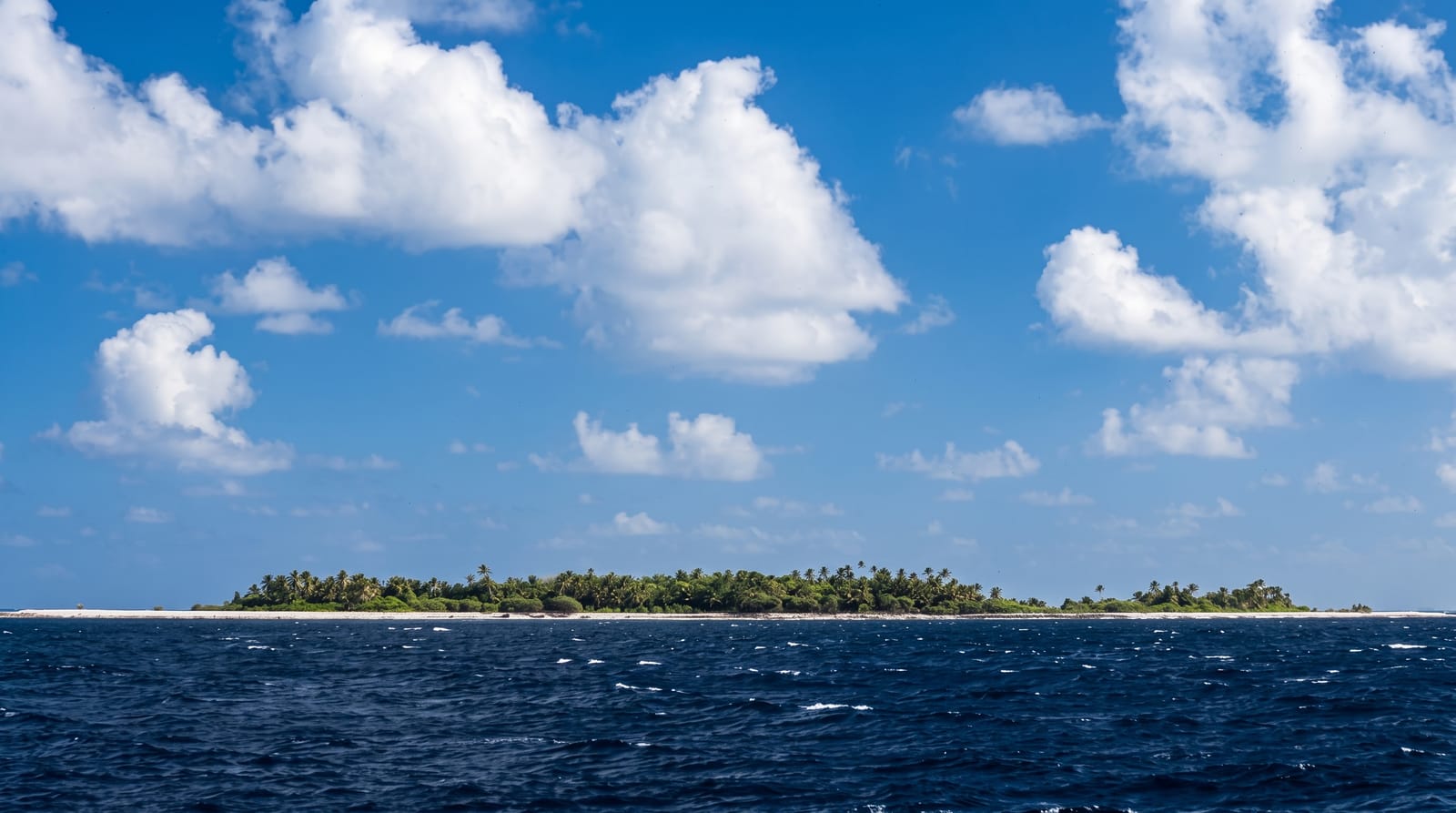
AI illustration
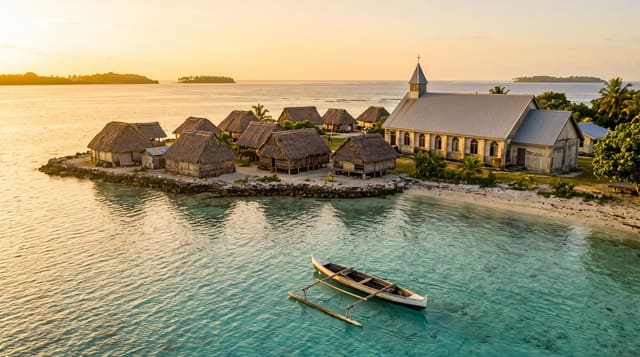
The Funafuti Conservation Area, protecting a stretch of the western side of the capital atoll's vast lagoon, is the natural jewel of Tuvalu, a beautiful and pristine marine sanctuary. Encompassing several small, uninhabited islets, extensive coral reefs and shimmering turquoise waters, it shelters nesting green sea turtles, colonies of seabirds, and abundant reef fish and marine life, protected from fishing and development. Reached by a boat trip across the lagoon from the main islet, it offers deserted white-sand islets for a castaway picnic, snorkelling over vibrant coral, and a serene, unspoilt escape into the natural beauty of one of the world's remotest and smallest nations.
History
The conservation area, called Kogatapu, was the Funafuti local council's project, supported and funded through the regional environment programme SPREP. After surveys of the reef and consultation with the landowners and the Kaupule, the island's elders and decision makers, the government created it by an order that took effect on 1 December 1999. It covers 33 square kilometres of reef, lagoon and islets on the western side of the atoll, about a fifth of the coral reef of Funafuti lagoon (Wikipedia, Funafuti Conservation Area).
What you'll find
- The uninhabited islets - the deserted white-sand islands.
- The coral reefs - the snorkelling over vibrant marine life.
- The nesting turtles - the green sea turtles of the reserve.
- The seabirds - the colonies of nesting seabirds.
When to go
May to October, the drier, cooler season, for the best weather and calmest lagoon for the boat trip and snorkelling; the reserve is reached by boat across the Funafuti lagoon, best on a calm, sunny day. Turtles and seabirds are present year-round, with nesting following its own seasons.
Practical notes
The conservation area is reached only by boat and offers no facilities beyond its pristine natural beauty, so a visit is a self-contained day trip arranged locally, and Tuvalu overall is extraordinarily remote and undeveloped with minimal infrastructure. For the reward of a beautiful, pristine marine sanctuary of deserted islets, coral reefs, turtles and seabirds in a serene turquoise lagoon, though, a natural highlight of one of the world's smallest and least-visited nations, the Funafuti Conservation Area is a lovely and unspoilt escape.
Nearby
The main islet of Funafuti and the outer atolls are within the nation.
Key facts
Source: Wikidata, item Q5508708, read on 18 October 2026.
What to pack for The Funafuti Conservation Area
Chosen from what this place is for. Tap a kit for the full checklist.
- Broken-in walking shoes or boots - Grip and ankle support matter more than looks; never hike in brand-new boots. Find on Amazon
- Travel rod + reel - A packable multi-piece rod fits in a case and covers most holiday fishing. Find on Amazon
- Reef-safe sunscreen - High SPF that will not bleach the coral you are swimming over. Find on Amazon
- Your own mask + snorkel - A well-fitting mask is the single biggest comfort upgrade underwater. Find on Amazon
Some links on this page are Amazon affiliate links - if you buy through them we may earn a small commission at no extra cost to you.
All packing kitsPlan your trip
Where to start if The Funafuti Conservation Area is going on the list.
Booking links on this page are affiliate links - if you book through them we may earn a small commission at no extra cost to you. It never changes what we write about a place.
Opening times, ticket prices and seasonal closures change - check the official source before you go: official site.